Home small-group tutoring
Teach small groups of pupils in a spare room at home, starting with a few evening and weekend classes.

- £200-1.5k
- Side hustle
- From home
Estimates for a small start in the UK, not guarantees.
What it is
A low-cost start to a tuition centre: small classes of a few pupils in a dedicated room at home, in a subject or exam level you know well.
Your first three steps
- Choose one subject and age group and set a fee by checking local tutor prices
- Set up a safe, quiet teaching room and check your home insurance, landlord or mortgage lender allow it
- Offer a free taster session to a few local families and ask for reviews
Who pays
Parents of school-age children, and adult learners paying for their own courses.
How it makes money
Fee per pupil per session or per month, with groups priced lower per head than one-to-one tutoring.
Skills that help
- Subject knowledge to a high level
- Patient, clear teaching
- Basic admin and booking
- Building trust with parents
Watch out for
- An enhanced DBS check is usually expected by parents when working with children, check what applies to you
- Tell your home insurer and check whether you need public liability cover
- Check your tenancy, mortgage and council rules on running a business from home
- Safeguarding: think about parents' comfort with children visiting a private home, and keep a clear policy
- Neighbours and parking can become an issue as group numbers grow
🔒 Full research report for UK
Real cost breakdown with current prices, licences and registration checklist, local competition, pricing, break-even and a 30-day launch plan, with sources.
Coming soonQuestions people ask
How much does it cost to start tutoring small groups at home?
Startup costs are typically around £200 to £1,500, depending on how you equip your teaching room, your resources and any insurance. These are estimates, so start with the furniture and materials you already have.
How much can I earn tutoring small groups from home?
Monthly revenue is typically around £300 to £2,000, depending on how many groups you run, group sizes and your fees. Treat this as an estimate, and allow for time spent on planning and admin.
What should I check before tutoring children at home?
Check what DBS check applies to you, as parents usually expect an enhanced one. Tell your home insurer and check public liability cover. Check tenancy, mortgage and council rules, and keep a clear safeguarding policy for children visiting a private home.
Other ways to run this business
Local tuition centre
Rent a small unit and run after-school and weekend classes in core subjects for local children.
- £3k-15k
- Part-time
- Own premises

Online tuition classes
Run live group classes over video for learners anywhere in the UK, with no premises to rent.
- £100-1k
- Side hustle
- Online
Similar teaching and tutoring ideas

Home-based tuition and study group
Run small after-school tuition and study sessions from a spare room or dining room at home.
- £300-1.5k
- Side hustle
- From home

Home-based exam prep classes
Teach small groups of pupils in a spare room at home, focused on exam preparation in your strongest subject.
- £300-1.5k
- Side hustle
- From home
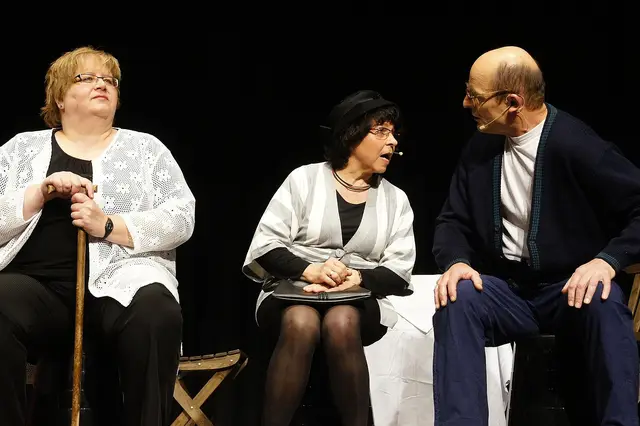
Children's drama classes in a hired hall
Run weekly after-school or Saturday drama classes for children and teens in a village hall or community centre.
- £300-1.5k
- Side hustle
- Out and about
Photography workshops and short courses
Teach beginners and hobbyists photography in small weekend or evening classes, hiring local rooms.
- £300-1.5k
- Side hustle
- Out and about
Home singing lessons
Teach one-to-one singing lessons from a room at home to local children, teens and adults.
- £200-1.5k
- Side hustle
- From home

Piano teacher from your home
Teach children and adults piano in a spare room at home, with regular weekly lessons.
- £100-1.5k
- Side hustle
- From home