Mobile water damage drying service
Dry out homes after leaks and floods with hired or owned drying kit, working for homeowners, landlords and insurers.

- £3k-15k
- Part-time
- Out and about
Estimates for a small start in the UK, not guarantees.
Official data
6,083 UK companies in this field, 47% registered in the last 2 years
SIC 81229 “Other building and industrial cleaning activities”. Source: Companies House, November 2026.
What it is
You attend properties after a burst pipe, leak or flood, extract standing water, set up dehumidifiers and air movers, and monitor moisture until the structure is dry. You work from a van and often hand on rebuilding work to other trades.
Your first three steps
- Take a recognised water damage restoration course, such as one run by the Property Care Association or the IICRC, and learn to use moisture meters
- Price up a starter kit of dehumidifiers, air movers and an extraction unit, and compare buying with trade hire
- Introduce yourself to local plumbers, letting agents and loss adjusters and ask to be on their call-out lists
Who pays
Homeowners, landlords, letting agents, housing associations and insurers or loss adjusters who send you work.
How it makes money
A call-out fee plus a daily rate for each piece of drying equipment, with extra for extraction, cleaning and moisture monitoring. Insurer work is usually invoiced after the job.
Skills that help
- Reliable and happy to take emergency calls
- Practical with equipment and basic building knowledge
- Clear communication with stressed customers
- Careful record keeping and photos for insurance claims
Watch out for
- Public liability insurance, and professional indemnity cover if you give drying or moisture advice
- Contaminated water from sewage or floods can be a health risk, so check what training and protective equipment you need
- Older buildings may contain asbestos, so check the rules before disturbing materials
- Many insurers use approved suppliers, so check what accreditation they ask for
- Emergency call-outs can be at any hour, so plan how you will cover them
- Check the rules for carrying waste water and any waste you remove
Deep research report · UK
Everything you need to start: mobile water damage drying service
Researched with live web search for United Kingdom: real startup prices, the licences and rules, what others charge, a break-even example, how to find your first customers and a 30-day launch plan. With sources.
- Startup costs with real prices
- Licences, registration and rules
- Pricing: what others charge
- Break-even example
- Finding your first customers
- 30-day launch plan
- Risks and how to reduce them
Questions people ask
How much does it cost to start a water damage drying business?
Startup costs are typically around £3,000 to £15,000, depending on whether you hire or own your drying equipment, what van you use and your insurance. Treat this as an estimate and get quotes for your own setup.
How much can a water damage drying service earn?
Monthly revenue is typically estimated at around £1,500 to £7,000, depending on how many call-outs you win, whether insurers send you work and how much equipment you run. Emergency work can be uneven, so keep a cash buffer.
What rules and risks should I check before starting?
Check the public liability cover you need, plus professional indemnity if you give moisture advice. Contaminated water can be a health risk, so check training and protective equipment. Also check asbestos rules, insurer accreditation requirements and the rules for carrying waste water.
Similar home services ideas
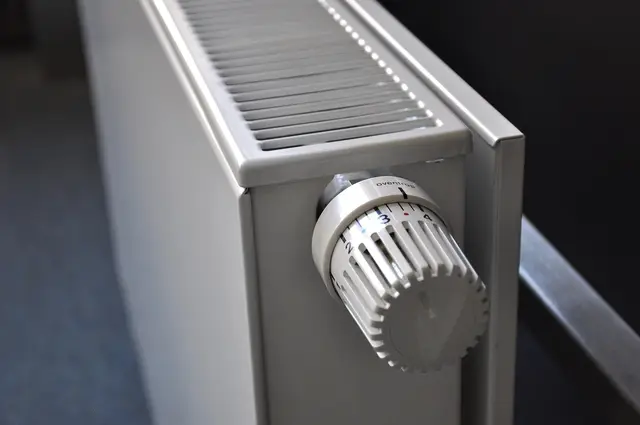
Mobile radiator supply and replacement
Supply and swap radiators at customers' homes, working from a van with a small stock of common sizes.
- £3k-15k
- Part-time
- Out and about
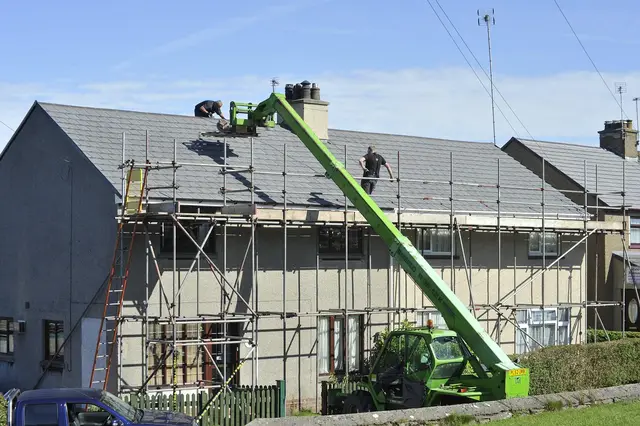
Property maintenance contractor with a small team
Run a small team on ongoing maintenance contracts for landlords with several properties.
- £3k-15k
- Full-time
- Out and about

Small appliance repair shop
Open a small high-street repair counter for walk-in customers with kettles, vacuums, mixers and other household gadgets.
- £4k-15k
- Full-time
- Own premises

Alarm and CCTV installer for homes and small firms
Design, fit and maintain wired alarms and CCTV for homes, shops and offices, with servicing contracts.
- £5k-15k
- Full-time
- Out and about
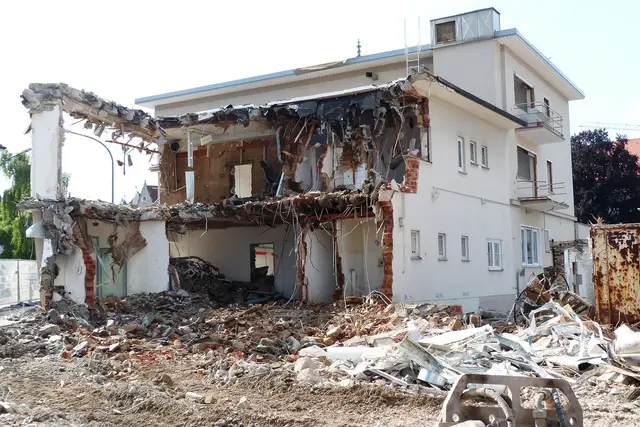
Building site rubble and waste clearance
Clear rubble, plasterboard and offcuts for builders and renovation projects on a regular basis.
- £3k-15k
- Part-time
- Out and about
Damp and basement waterproofing
Fix damp walls, leaky cellars and basements for homeowners and landlords, working from a van.
- £3k-15k
- Full-time
- Out and about