Water jet cutting for makers and designers
Cut one-off and small-batch parts from customers' drawings using a second-hand compact water jet in a small unit.

- £25k-70k
- Part-time
- Own premises
Estimates for a small start in the UK, not guarantees.
Official data
3,013 UK companies in this field, 11% registered in the last 2 years
SIC 25620 “Machining”. Source: Companies House, November 2026.
What it is
A small workshop with a used or entry-level water jet table. You cut metal, stone, glass and composites from files that customers send you, mostly one-offs and short runs.
Your first three steps
- Get quotes for used and entry-level machines, and visit a working cutting shop or take a machine operator course
- Check unit options for power, water supply, drainage and floor strength, and ask the landlord about the intended use
- Make sample cuts in a few materials and show them to local designers, makers and signmakers
Who pays
Product designers, artists, architects, signmakers, model makers, prototype builders and small workshops that don't own a cutter.
How it makes money
Charge by machine time plus material and set-up, often with a minimum order. Repeat work from local makers and small firms builds steady income.
Skills that help
- Reading drawings and using CAD or CAM files
- Careful, precise hands-on work
- Patient customer service with first-time customers
Watch out for
- Machine condition and servicing history, especially on second-hand pumps and cutting heads
- Power, water and drainage needs, plus noise, so check the unit lease and planning use with your council
- Disposal of used abrasive and cutting waste, check the waste rules with your council or the environmental regulator
- Public liability and, once you hire, employer's liability insurance, and check whether you need product liability cover
- Health and safety around high-pressure equipment, and checking that materials are safe to cut
- Customers' files may be wrong, so agree tolerances and who pays for scrapped material
Deep research report · UK
Everything you need to start: water jet cutting for makers and designers
Researched with live web search for United Kingdom: real startup prices, the licences and rules, what others charge, a break-even example, how to find your first customers and a 30-day launch plan. With sources.
- Startup costs with real prices
- Licences, registration and rules
- Pricing: what others charge
- Break-even example
- Finding your first customers
- 30-day launch plan
- Risks and how to reduce them
Questions people ask
How much does it cost to start a water jet cutting business?
Startup costs are typically estimated at around £25,000 to £70,000, depending on the machine, its condition and servicing history, and your unit. Check second-hand pumps and cutting heads carefully before buying.
How much can a small water jet cutting service make?
Monthly revenue is typically estimated at around £3,000 to £12,000, depending on the work you win and the materials you cut. Agree tolerances and who pays for scrapped material, since customers' files may be wrong.
What should I check before setting up a water jet cutting workshop?
Check power, water, drainage and noise needs, plus the unit lease and planning use with your council. Also check used abrasive waste disposal rules, insurance including product liability, and health and safety around high-pressure equipment.
Other ways to run this business
Similar making and manufacturing ideas

Small-unit label printing business
Run a small unit with a roll label press, supplying food and drink producers with durable labels in bigger quantities.
- £15k-70k
- Full-time
- Own premises
Small machining workshop
Machine metal and plastic parts to drawings for local engineering firms, from a small rented unit.
- £15k-70k
- Full-time
- Own premises
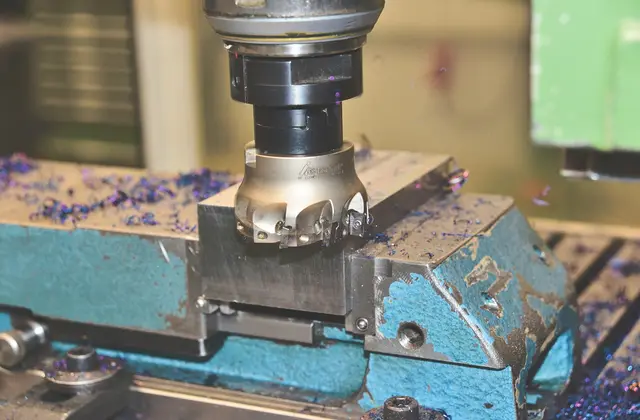
Jobbing machine shop in a small unit
Make and repair one-off and short-run metal parts for local firms, farms and workshops from a rented unit.
- £15k-60k
- Full-time
- Own premises
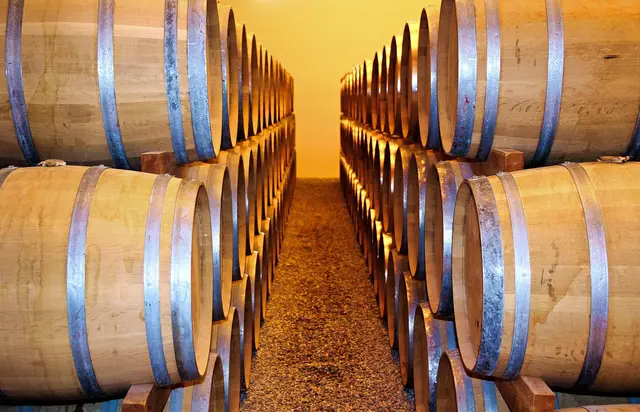
Barrel reconditioning workshop
Rent a small unit to refurbish used barrels and sell new and reconditioned casks to drinks producers.
- £15k-60k
- Full-time
- Own premises

Bespoke staircase maker with a workshop
Design, build and install made-to-measure timber staircases from a small rented workshop.
- £15k-60k
- Full-time
- Own premises
Small-batch lingerie workshop
Run a small UK workshop making lingerie in short runs for independent brands and labels.
- £15k-60k
- Full-time
- Own premises