Self-Employed Window and Door Fitter
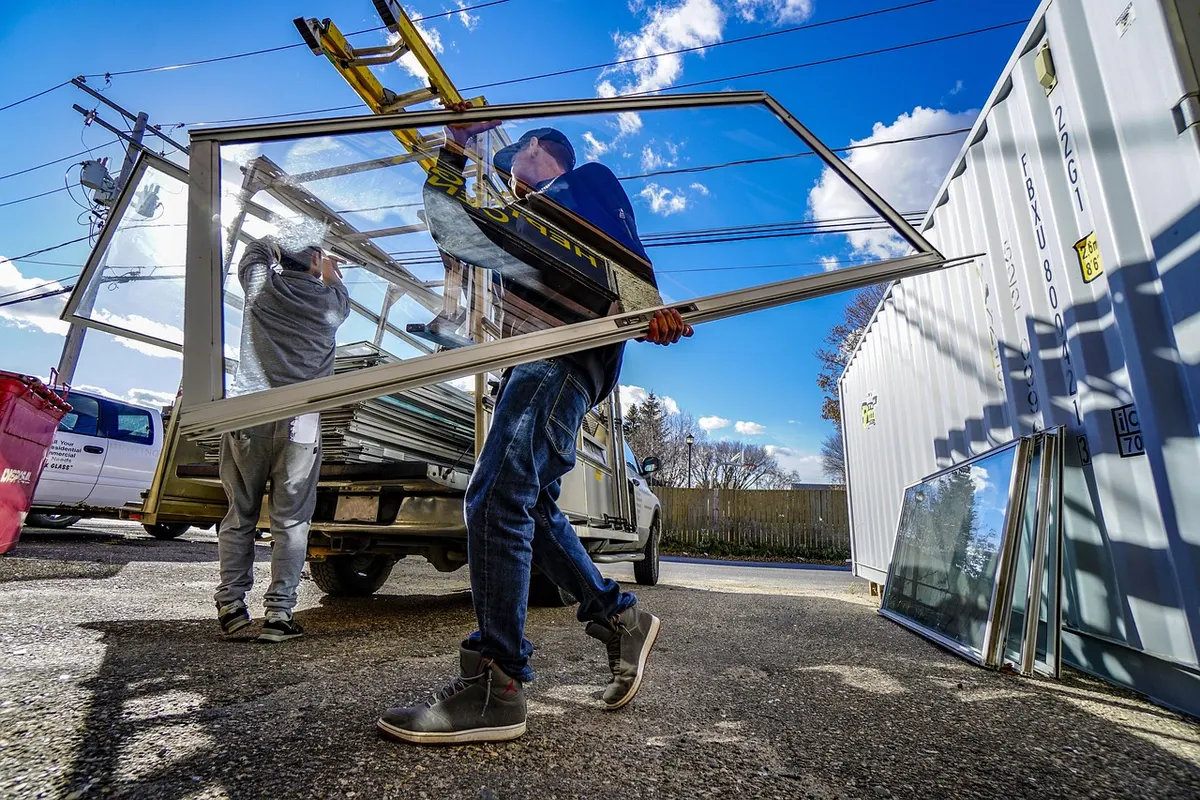
Fit windows and doors for installers and builders as a self-employed fitter, using your own tools and van.
- £2k-10k
- Part-time
- Out and about
Estimates for a small start in the UK, not guarantees.
Official data
22,443 UK companies in this field, 24% registered in the last 2 years
SIC 43320 “Joinery installation”. Source: Companies House, November 2026.
What it is
Removing old frames and fitting new uPVC, aluminium or timber windows and doors, usually for installation companies, builders and developers who supply the products.
Your first three steps
- Get trained or build experience through a fitting course or by working alongside an experienced fitter
- Buy a core tool kit, glazing lifting aids and a suitable van, and get public liability insurance
- Contact local installers, builders and letting firms to offer your day rate or price per unit
Who pays
Window installation firms, small building companies, developers and housing contractors.
How it makes money
Paid per window or door fitted, or by a day rate. Steady work from a few regular firms can keep you busy without chasing homeowners.
Skills that help
- Accurate measuring and fitting
- Practical building and finishing skills
- Safe working at height and lifting heavy glazing
- Reliable and tidy on customers' premises
Watch out for
- Public liability insurance, and check what cover contractors expect you to hold
- Check whether your work falls under Building Regulations and whether you need to join a competent person scheme (such as FENSA or CERTASS) or work under a firm that is registered
- Self-employment status: check with HMRC how you are treated when working for one firm
- Manual handling of heavy glass units and safe working at height
🔒 Full research report for UK
Real cost breakdown with current prices, licences and registration checklist, local competition, pricing, break-even and a 30-day launch plan, with sources.
Coming soonQuestions people ask
How much does it cost to become a self-employed window fitter?
Startup costs are typically around £2,000 to £10,000, depending on your tools, van and insurance. These are estimates, so check what cover contractors expect you to hold before you start taking work.
How much can a self-employed window fitter earn?
Monthly revenue is typically around £2,000 to £6,000, depending on how much work you get from installers and builders, from around 25 hours a week. That is revenue before costs, not take-home pay.
Do I need to join a scheme such as FENSA to fit windows?
Check whether your work falls under Building Regulations and whether you need to join a competent person scheme such as FENSA or CERTASS, or work under a registered firm. Also check with HMRC how your self-employment status is treated.
Other ways to run this business
Similar trades ideas

Air conditioning and ventilation installer
Fit and maintain split air conditioning units and ventilation systems for shops, offices and homes.
- £3k-10k
- Part-time
- Out and about

Online specialist pipe and fittings shop
Sell a focused range of pipes and fittings online to trades and DIYers, shipped from a small store or supplier.
- £2k-10k
- Side hustle
- Online

On-site stone cutting for gardens and building work
Travel to jobs to cut and shape stone for paths, walls, steps and garden features.
- £2k-10k
- Part-time
- Out and about
Staircase fitter and refurbisher
Fit new staircases and refurbish tired ones in homes, working from a van and ordering parts from trade suppliers.
- £2.5k-10k
- Part-time
- Out and about

Subcontract pool fitter for pool builders
Offer liner fitting, tiling or plant installation to pool firms that need extra skilled hands.
- £2k-10k
- Part-time
- Out and about

Kitchen and bathroom refurbishment specialist
Strip out and refit kitchens and bathrooms for homeowners, managing the trades yourself.
- £2k-10k
- Part-time
- Out and about
Photo: DokaRyan on Pixabay