Small-Batch cidery or meadery
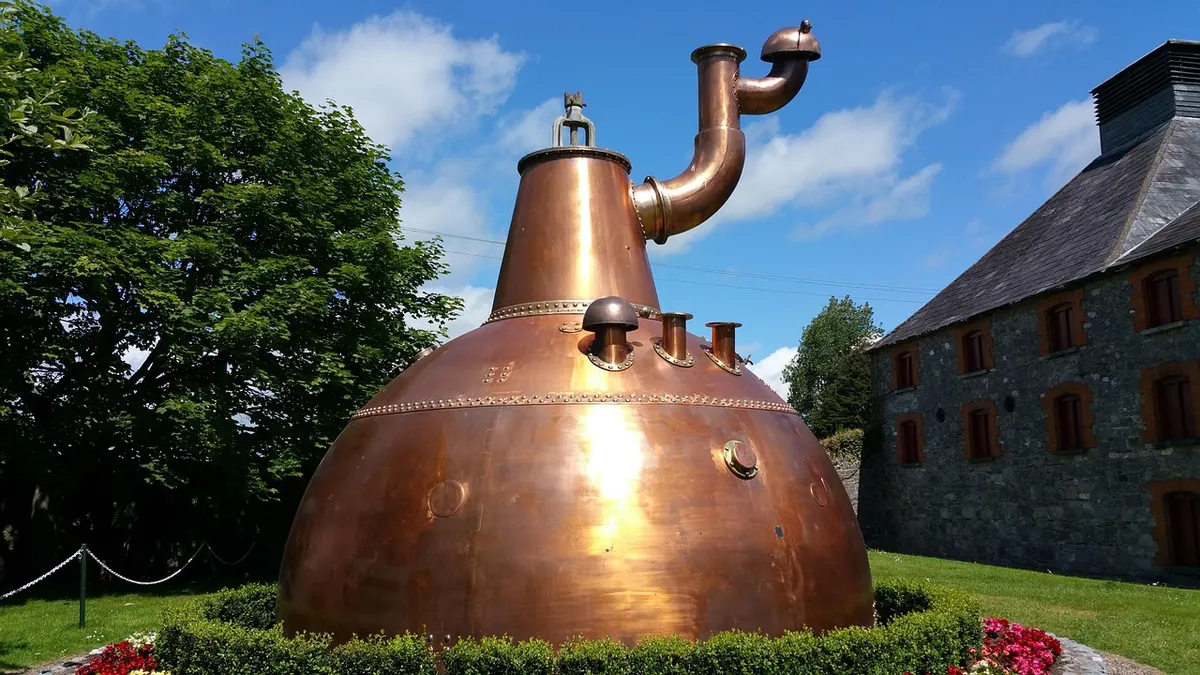
Make hard cider or mead from local fruit and honey in a small space and sell through tastings, shops and local restaurants.
- $40k-200k
- Part-time
- Own premises
- Licence or permit needed
Estimates for a small start in the US, not guarantees.
Official data
5,218 US businesses with employees in this field, +1.0% in a year
NAICS 312120 “Breweries”. Source: U.S. Census Bureau, County Business Patterns 2023.
What it is
A small producer making hard cider or mead (honey wine) in modest batches, often on a farm, in a barn or in a small rented unit. Fermentation tanks and bottling equipment are simpler than a full brewhouse, and local ingredients are part of the story.
Your first three steps
- Make and refine several test batches, and get feedback from tasters before committing to a product line
- Check with your state alcohol regulator about the license type for cider or mead, and how small producers are treated
- Line up fruit or honey suppliers and price out tanks, bottling and a small space with zoning that allows production
Who pays
Visitors to a tasting room or farm stand, local restaurants and bottle shops, and customers at farmers markets or events where your state allows sales.
How it makes money
Bottle and glass sales at the tasting room earn the most per unit. Wholesale to shops and restaurants adds volume at lower prices, and seasonal or limited releases can support higher prices.
Skills that help
- Fermentation and quality control
- Sourcing fruit, juice or honey from local suppliers
- Labeling and packaging
- Storytelling and local sales
Watch out for
- Federal permit from the TTB and a state license, and the rules differ for cider, mead and wine, so check which category you fall into
- Federal and state excise taxes, plus label approval requirements, which can take time
- Rules on tastings, farm sales, farmers market sales and shipping are set by each state, so check before planning your sales mix
- Zoning, agricultural and health department rules for the site, plus any water or wastewater requirements
- General liability and product liability insurance, and liquor liability if you serve on site
- Seasonal fruit supply and spoiled batches can hurt cash flow, so keep a buffer
Deep research report · US
Everything you need to start: small-batch cidery or meadery
Researched with live web search for United States: real startup prices, the licences and rules, what others charge, a break-even example, how to find your first customers and a 30-day launch plan. With sources.
- Startup costs with real prices
- Licences, registration and rules
- Pricing: what others charge
- Break-even example
- Finding your first customers
- 30-day launch plan
- Risks and how to reduce them
Questions people ask
How much does it cost to start a cidery or meadery?
Estimated startup costs are typically around $40,000 to $200,000, depending on your site, fermentation and bottling equipment and how much cash you keep as a buffer. Seasonal fruit supply and spoiled batches can strain cash flow.
How much can a small cidery or meadery earn per month?
Monthly revenue is estimated at typically around $3,000 to $15,000, depending on your sales mix of tastings, local restaurants and shops, and what your state allows. These are revenue figures, not profit.
What permits should I check before making cider or mead to sell?
Check the federal TTB permit and your state license, since rules differ for cider, mead and wine. Also check excise taxes, label approval, state rules on tastings, farm and market sales and shipping, zoning, health rules and insurance.
Other ways to run this business
Similar making and manufacturing ideas
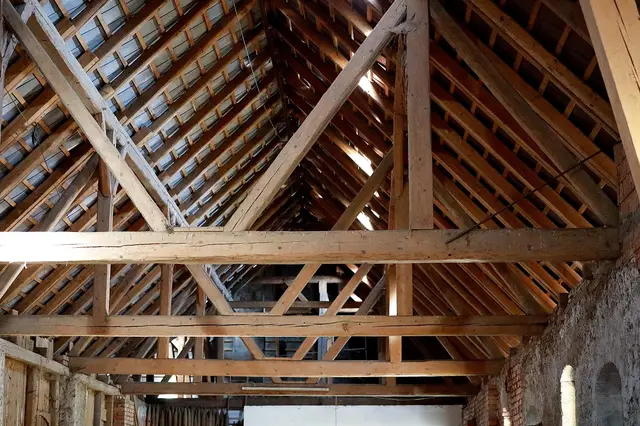
Small local roof truss shop
Build roof trusses to order in a small shop for builders, framers and roofers in your area.
- $40k-200k
- Full-time
- Own premises

Custom trailer builder (small shop)
Build utility, flatbed and specialty trailers to order for farms, contractors and local owners.
- $60k-200k
- Full-time
- Own premises

Used machinery dealer with a small yard or unit
Buy, refurbish and resell used lathes, presses and shop equipment to workshops and small manufacturers.
- $50k-200k
- Full-time
- Own premises

Small natural stone yard
Stock slabs, tile and landscape stone in a small yard and sell to builders, masons and homeowners.
- $40k-200k
- Full-time
- Own premises
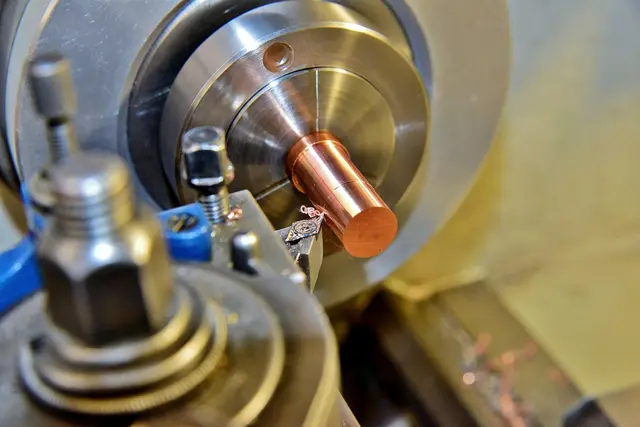
Small CNC job shop in a rented unit
Rent a small industrial unit and machine repeat and short-run parts for local manufacturers.
- $40k-150k
- Full-time
- Own premises
Small natural stone yard and distributor
Rent a small yard or warehouse, stock popular stone in bulk and supply local fabricators, landscapers and contractors fast.
- $30k-150k
- Full-time
- Own premises
Photo: Richard442 on Pixabay