Local battery supply route for garages and shops
Stock a van with common car, truck and equipment batteries and deliver to independent garages and shops.
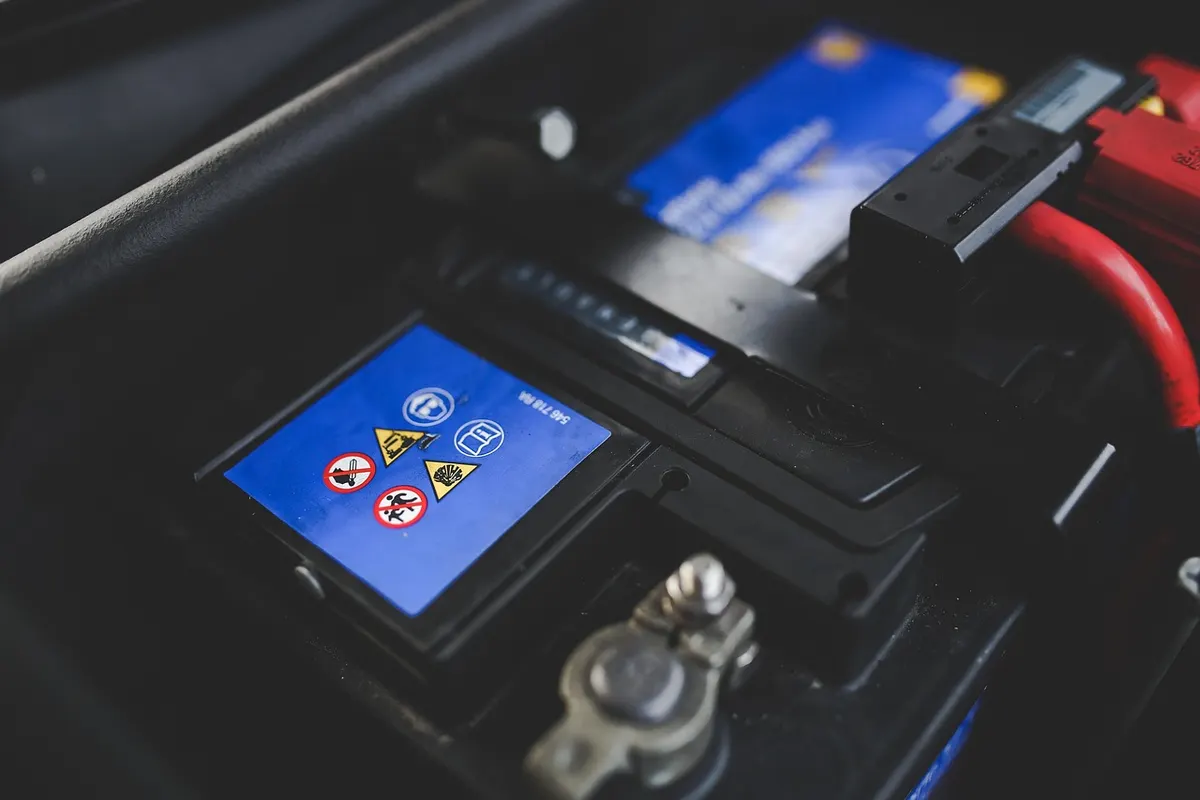
- $8k-30k
- Part-time
- Out and about
Estimates for a small start in the US, not guarantees.
Official data
13,379 US businesses with employees in this field, -0.6% in a year
NAICS 423610 “Electrical apparatus and equipment, wiring supplies, and related equipment merchant wholesalers”. Source: U.S. Census Bureau, County Business Patterns 2023.
What it is
A small local distributor that buys batteries in volume from a manufacturer or regional distributor and delivers them to businesses in your area. Typical stock is automotive, truck, marine, lawn equipment and powersports batteries. You also collect old batteries for recycling.
Your first three steps
- Ask regional battery distributors and manufacturers about opening a dealer account and their minimum order sizes
- List 30 to 50 independent garages and shops within an hour's drive and visit them with a price sheet
- Get your EIN, state resale certificate and quotes for general liability and commercial vehicle insurance
Who pays
Independent repair garages, tire shops, small engine and equipment dealers, marine and RV shops, and fleet operators who want same-day delivery.
How it makes money
You earn the margin between your wholesale cost and the price you charge trade customers. Repeat orders on a regular route, delivery fees and handling of old-battery cores add to this.
Skills that help
- Selling to businesses
- Route planning and driving
- Inventory and basic bookkeeping
- Knowing battery types and sizes
Watch out for
- Check your state's rules on selling and recycling lead-acid batteries, including core charges and take-back requirements
- Check U.S. DOT rules for transporting batteries, especially lithium types, and the packaging they need
- Storing batteries at home or in a rented unit may need permits and landlord or HOA approval, so check with your city or county
- Cash tied up in stock and slow-paying customers, so think about payment terms
- General liability, commercial auto and product liability insurance, and a state sales tax or resale certificate
Deep research report · US
Everything you need to start: local battery supply route for garages and shops
Researched with live web search for United States: real startup prices, the licences and rules, what others charge, a break-even example, how to find your first customers and a 30-day launch plan. With sources.
- Startup costs with real prices
- Licences, registration and rules
- Pricing: what others charge
- Break-even example
- Finding your first customers
- 30-day launch plan
- Risks and how to reduce them
Questions people ask
How much does it cost to start a battery delivery route?
Startup costs are typically estimated at around $8,000 to $30,000, depending on how much stock you buy, your van and your insurance. Cash tied up in stock matters, so treat this as an estimate and plan your payment terms.
How much can a local battery supply route earn?
Monthly revenue is typically estimated at around $5,000 to $25,000, depending on how many garages and shops you supply and the size of your route. The estimate assumes at least about 20 hours a week.
What rules should I check before selling and delivering batteries?
Check your state's rules on selling and recycling lead-acid batteries, including core charges and take-back requirements. Check U.S. DOT rules for transporting batteries, especially lithium types. Also check permits and landlord or HOA approval for storage, plus insurance and your resale certificate.
Other ways to run this business
Similar trades ideas
Residential gas line and appliance service
Install and repair gas lines, water heaters, stoves and furnaces for homeowners in your area.
- $6k-30k
- Full-time
- Out and about
Hot tub maintenance for hotels and rentals
Keep spas at hotels, gyms and vacation rentals running with scheduled checks and fast repairs.
- $8k-30k
- Full-time
- Out and about
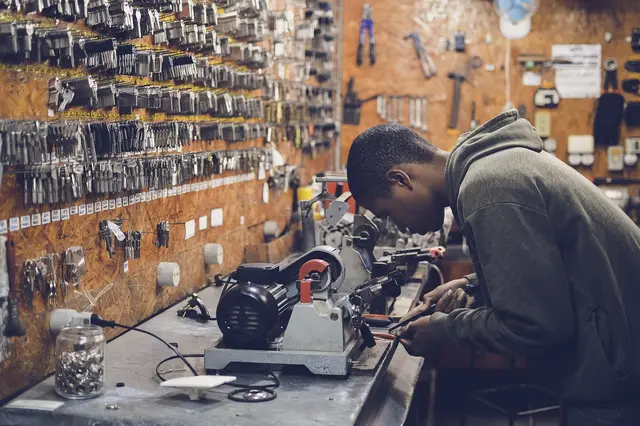
Key cutting kiosk or small shop
Run a small counter, kiosk or storefront cutting keys and selling basic locks to walk-in customers.
- $8k-30k
- Full-time
- Own premises
Commercial refrigeration repair for local businesses
Repair walk-in coolers, reach-in fridges and ice machines for restaurants, cafes and small grocers.
- $8k-30k
- Full-time
- Out and about
Antique restoration studio with pickup service
Rent a small workshop unit, take on dealer and auction work, and collect and deliver pieces for clients.
- $8k-30k
- Full-time
- Own premises
Drywall subcontractor for builders
Lead a small crew that hangs and finishes drywall on new homes and renovations for builders and general contractors.
- $8k-30k
- Full-time
- Out and about
Photo: kaboompics on Pixabay