Indoor batting cage center
Lease a warehouse unit, set up netted cages with pitching machines and charge players by the session.
- $50k-250k
- Full-time
- Own premises
- Licence or permit needed
Estimates for a small start in the US, not guarantees.
What it is
An indoor facility with several netted batting lanes, baseball and softball pitching machines, and a small front desk. Players rent a cage by the token, session or membership. You can add lessons and team rentals.
Your first three steps
- Scout leased warehouse or industrial units with enough ceiling height and ask the city about zoning for recreation use
- Get quotes for netting, turf, lighting and pitching machines, and draft a simple budget with your expected utilization
- Talk to local youth leagues, high school coaches and travel teams about what they'd pay for off-season practice time
Who pays
Youth baseball and softball players and their parents, travel and high school teams, adult recreational players, and coaches who rent lanes for practice.
How it makes money
Pay-per-session or token fees, monthly memberships, team and league rentals, private lessons with hired coaches, and snacks or gear sales.
Skills that help
- Customer service and running a front desk
- Basic mechanical skills for machine upkeep
- Scheduling and booking management
- Local marketing to teams and schools
Watch out for
- Zoning, a certificate of occupancy and fire code rules for the building, so check with your city or county before signing a lease
- General liability insurance and signed waivers, especially for minors
- Safety of netting, machines and lane layout, with regular inspections
- Lease length, rent and utility costs, which can be high compared to slow-season income
- Workers' compensation insurance once you hire staff or coaches
- Whether admissions or sales are taxable in your state
Deep research report · US
Everything you need to start: indoor batting cage center
Researched with live web search for United States: real startup prices, the licences and rules, what others charge, a break-even example, how to find your first customers and a 30-day launch plan. With sources.
- Startup costs with real prices
- Licences, registration and rules
- Pricing: what others charge
- Break-even example
- Finding your first customers
- 30-day launch plan
- Risks and how to reduce them
Questions people ask
How much does it cost to start an indoor batting cage center?
Startup costs are typically estimated at around $50,000 to $250,000, depending on the size of the unit, the number of lanes, the pitching machines and netting you buy, and your lease and fit-out.
How much revenue can an indoor batting cage center make?
Monthly revenue is typically estimated at around $6,000 to $30,000, depending on lanes, location and how many lessons and team rentals you add. Rent and utilities can be high compared to slow-season income.
What rules should I check before opening a batting cage center?
Check zoning, certificate of occupancy and fire code rules with your city or county before signing a lease. Also check general liability insurance, signed waivers for minors, netting and machine safety, workers' compensation, and whether admissions are taxable in your state.
Other ways to run this business

Similar sports and fitness ideas
Neighborhood indoor play center
Open a small supervised play space for toddlers and kids, with entry fees, birthday parties and a simple snack bar.
- $50k-250k
- Full-time
- Own premises
Indoor cycling studio
Open a small studio with a room of stationary bikes and sell class packs and memberships.
- $60k-250k
- Full-time
- Own premises
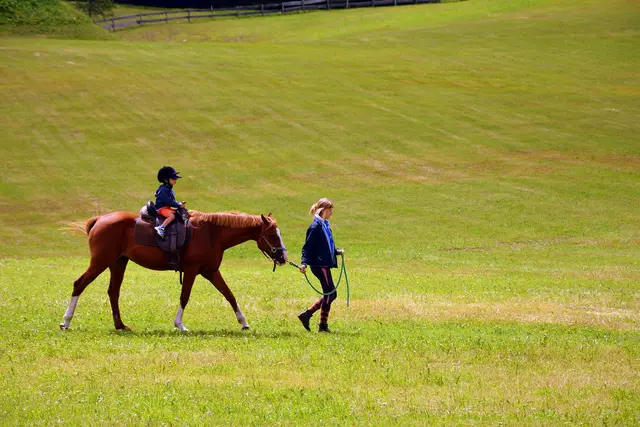
Small riding school with its own lesson horses
Run a small lesson barn on leased or owned land with a few school horses, teaching beginners and young riders week after week.
- $60k-250k
- Full-time
- Own premises
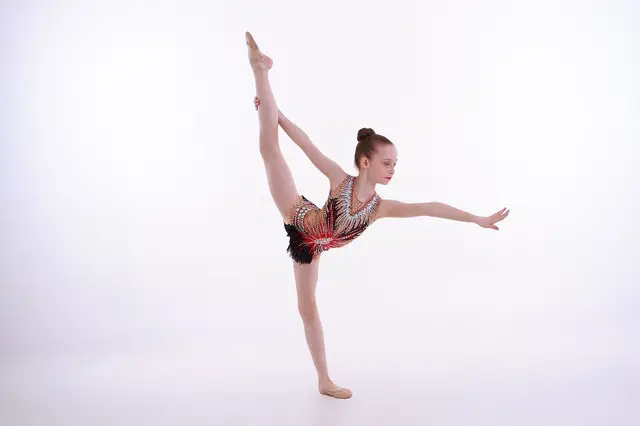
Small neighborhood gymnastics center
Lease a unit and run recreational gymnastics classes, camps and parties for local kids and families.
- $60k-250k
- Full-time
- Own premises

Small neighborhood gym
Open a compact gym with equipment and a few classes, funded by monthly memberships from people nearby.
- $40k-200k
- Full-time
- Own premises
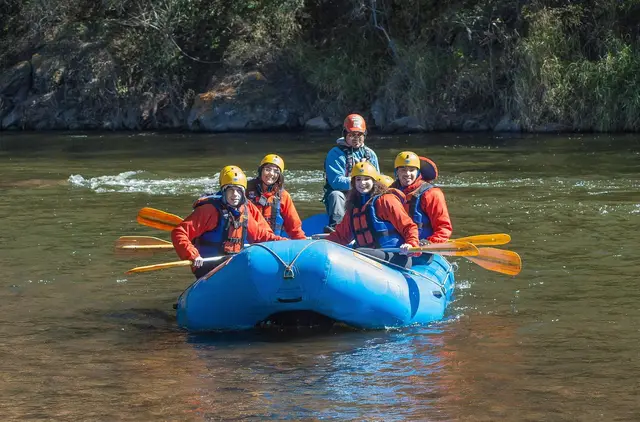
Full-service rafting outfitter with a base
Run a riverside base with a fleet, shuttle and trained guides offering daily trips to walk-ins and groups.
- $80k-300k
- Full-time
- Own premises