Small-Projects building contractor
Take on smaller repair and renovation jobs on your own, bringing in specialist trades only when needed.

- $1.5k-8k
- Side hustle
- Out and about
- Licence or permit needed
Estimates for a small start in the US, not guarantees.
Official data
135,337 US businesses with employees in this field, +1.5% in a year
NAICS 236118 “Residential remodelers”. Source: U.S. Census Bureau, County Business Patterns 2023.
What it is
A lean version of contracting focused on smaller jobs: framing and drywall repairs, decks, fences, flooring, minor bathroom updates and punch-list work. You work mostly solo and sub out specialist work like electrical and plumbing.
Your first three steps
- Look up your state and county rules to see whether small jobs under a dollar threshold can be done without a full contractor license
- Get general liability insurance and register your business with an EIN, then open a separate business bank account
- Tell landlords, property managers and local real estate agents what you offer, and ask for a first small job to earn a review
Who pays
Homeowners, landlords, property managers and real estate agents needing repairs before a sale or new tenant.
How it makes money
Fixed quotes or hourly rates for small jobs, plus a markup on materials and subcontractor work.
Skills that help
- Hands-on carpentry or general building skills
- Quoting small jobs accurately
- Reliable scheduling and follow-up
- Basic bookkeeping
Watch out for
- Many states set a dollar limit under which a license may not be needed, and others require one for any work, so check your state board
- Electrical, plumbing and HVAC work usually needs a separately licensed professional, so do not do it yourself unless licensed
- General liability insurance, and workers' compensation if you hire helpers
- Physical work and injury risk, so plan for downtime and your own health coverage
- Permits may still be needed for structural, deck or fence work, check with your city or county
Deep research report · US
Everything you need to start: small-projects building contractor
Researched with live web search for United States: real startup prices, the licences and rules, what others charge, a break-even example, how to find your first customers and a 30-day launch plan. With sources.
- Startup costs with real prices
- Licences, registration and rules
- Pricing: what others charge
- Break-even example
- Finding your first customers
- 30-day launch plan
- Risks and how to reduce them
Questions people ask
How much does it cost to start a small-projects contracting business?
Startup costs are typically estimated at around $1,500 to $8,000, depending on the tools and vehicle you already have, insurance and how you find your first customers. Working mostly solo keeps early costs lower.
How much can a small-projects contractor earn?
Monthly revenue is typically estimated at around $2,000 to $10,000, depending on the type of jobs you take, your pricing, how many hours you work and how steady your bookings are. Revenue is not profit, so account for materials and subcontractors.
Do I need a license to do small building jobs?
Check with your state board, since many states set a dollar limit under which a license may not be needed and others require one for any work. Electrical, plumbing and HVAC usually need a separately licensed professional. Also check city or county permits for structural, deck or fence work, and insurance.
Similar trades ideas

Small-parts blasting from a garage cabinet
Strip rust and paint from small parts, wheels and tools using a blast cabinet, working in your own shop space.
- $2k-8k
- Side hustle
- From home
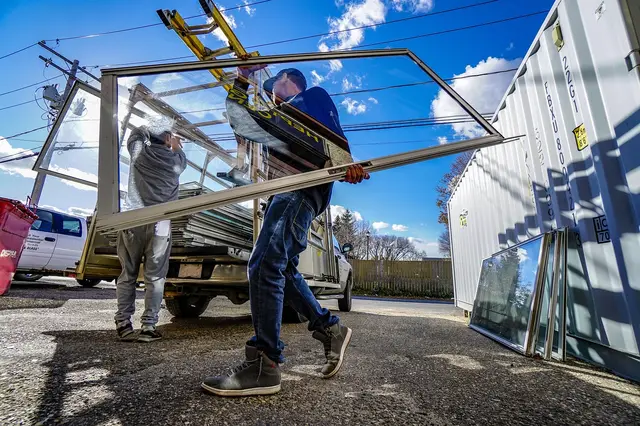
Subcontract window installer
Install windows and doors for dealers and remodelers who need skilled hands, with no selling needed.
- $2k-8k
- Side hustle
- Out and about

Home workshop piano restoration and repair
Repair piano parts, action assemblies and casework in your own workshop for local clients and dealers.
- $1.5k-8k
- Side hustle
- From home
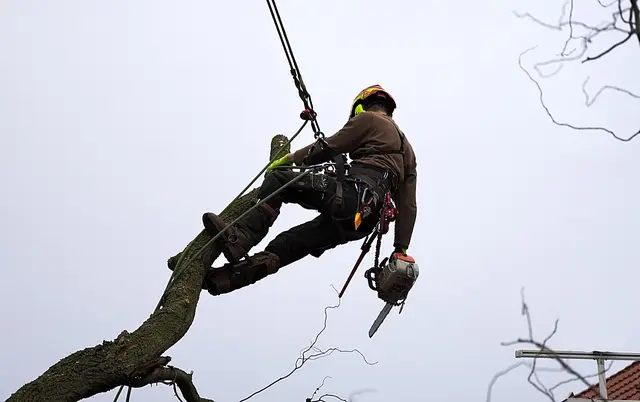
Roof and gutter access services
Clear gutters, remove roof debris and inspect roofs safely for property owners.
- $2k-8k
- Side hustle
- Out and about
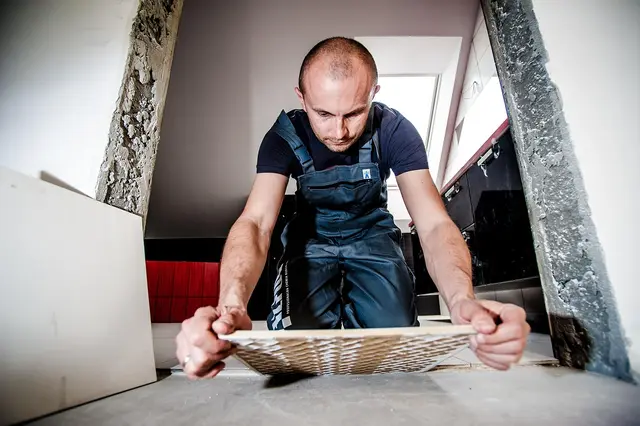
Solo flooring installer
Install vinyl plank, laminate and carpet for homeowners and landlords, working alone with a small tool kit.
- $2k-8k
- Part-time
- Out and about

Drywall hanging, finishing and repair
Hang, tape and finish drywall for homeowners: remodels, basements, water damage and patch repairs.
- $2k-8k
- Side hustle
- Out and about
Photo: jarmoluk on Pixabay