Local carpet and pad warehouse for flooring trade
Stock popular carpet rolls and pad in a small unit and deliver quickly to flooring shops and installers in your region.

- $40k-150k
- Full-time
- Own premises
Estimates for a small start in the US, not guarantees.
Official data
6,585 US businesses with employees in this field, -2.7% in a year
NAICS 423220 “Home furnishing merchant wholesalers”. Source: U.S. Census Bureau, County Business Patterns 2023.
What it is
A small warehouse holding fast-selling carpet rolls and underlay (pad), cut to length and delivered by your own van or truck. Local shops and fitters use you for quick turnaround instead of waiting on mill shipping.
Your first three steps
- Talk to mills and large distributors about volume pricing and which lines suit your local market
- Price out a small warehouse or flex unit with a loading dock or ground-level access, and a roll rack and cutting table
- Ask local flooring stores and installers which styles and delivery times they most need, and line up first accounts before buying stock
Who pays
Independent flooring stores, installers, remodelers, builders and property management companies.
How it makes money
You buy rolls in volume at wholesale and sell by the yard or roll at a markup, adding delivery fees and cut-to-length service. Fast turnaround on common styles keeps customers coming back.
Skills that help
- Inventory and cash flow management
- Handling heavy rolls safely
- Sales and account management
Watch out for
- Stock is a large upfront cost and slow-moving styles can tie up cash
- Check zoning for your unit, your city or county business license and your state's sales tax or resale rules
- General liability, commercial property and commercial auto insurance, plus workers' compensation once you hire
- Heavy lifting and forklift or pallet jack safety, so check OSHA training requirements
- Trade customers often buy on credit, so set payment terms and credit checks
Deep research report · US
Everything you need to start: local carpet and pad warehouse for flooring trade
Researched with live web search for United States: real startup prices, the licences and rules, what others charge, a break-even example, how to find your first customers and a 30-day launch plan. With sources.
- Startup costs with real prices
- Licences, registration and rules
- Pricing: what others charge
- Break-even example
- Finding your first customers
- 30-day launch plan
- Risks and how to reduce them
Questions people ask
How much does it cost to start a carpet warehouse?
Startup costs are typically around $40,000 to $150,000, depending on your unit, how much carpet and pad you stock and your delivery vehicle. Stock is a large upfront cost, and slow-moving styles can tie up cash.
How much can a local carpet and pad warehouse earn?
Monthly revenue is typically around $15,000 to $70,000, depending on how many trade accounts you win and what you stock. This is an estimate of revenue, not profit, and it is a full-time business of about 40 hours a week.
What rules should I check before opening a carpet warehouse?
Check zoning for your unit, your city or county business license and your state's sales tax or resale rules. Also check insurance (general liability, commercial property, commercial auto, workers' compensation once you hire) and OSHA training for forklift and heavy lifting.
Other ways to run this business
Similar home services ideas
Neighborhood tool rental shop
Open a small counter and yard where homeowners and contractors rent tools and equipment by the day.
- $30k-150k
- Full-time
- Own premises
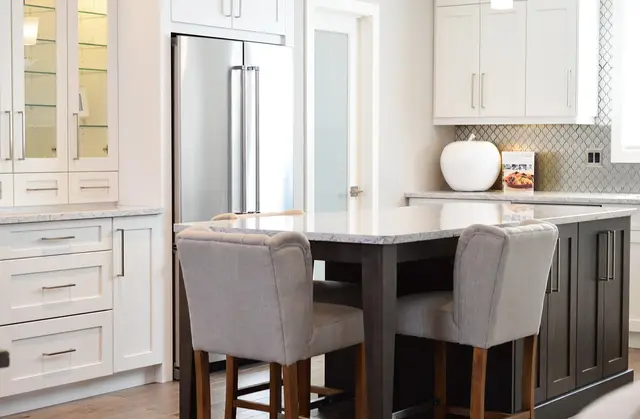
Kitchen remodeling company
Run complete kitchen remodels with a small crew and trusted subcontractors, from design to final walkthrough.
- $40k-150k
- Full-time
- Out and about
Stove and fireplace showroom
Open a small shop where homeowners can see wood stoves and accessories, with installation arranged through certified pros.
- $40k-150k
- Full-time
- Own premises
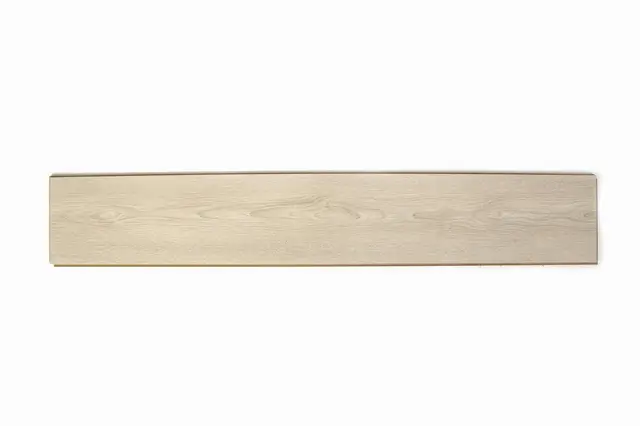
Local flooring supply for installers and builders
Stock popular wood and laminate flooring in a small warehouse and deliver to installers, builders and homeowners nearby.
- $25k-100k
- Full-time
- Own premises

Small fire restoration company
Run a small crew that handles cleanup, drying, deodorizing and repairs after fire, with insurance work as a core source of jobs.
- $20k-100k
- Full-time
- Out and about
Small countertop shop with showroom and fabrication
Run a small shop that cuts, finishes and installs countertops for homeowners, remodelers and builders.
- $50k-200k
- Full-time
- Own premises
Photo: wal_172619 on Pixabay