Small-Batch cured meats maker
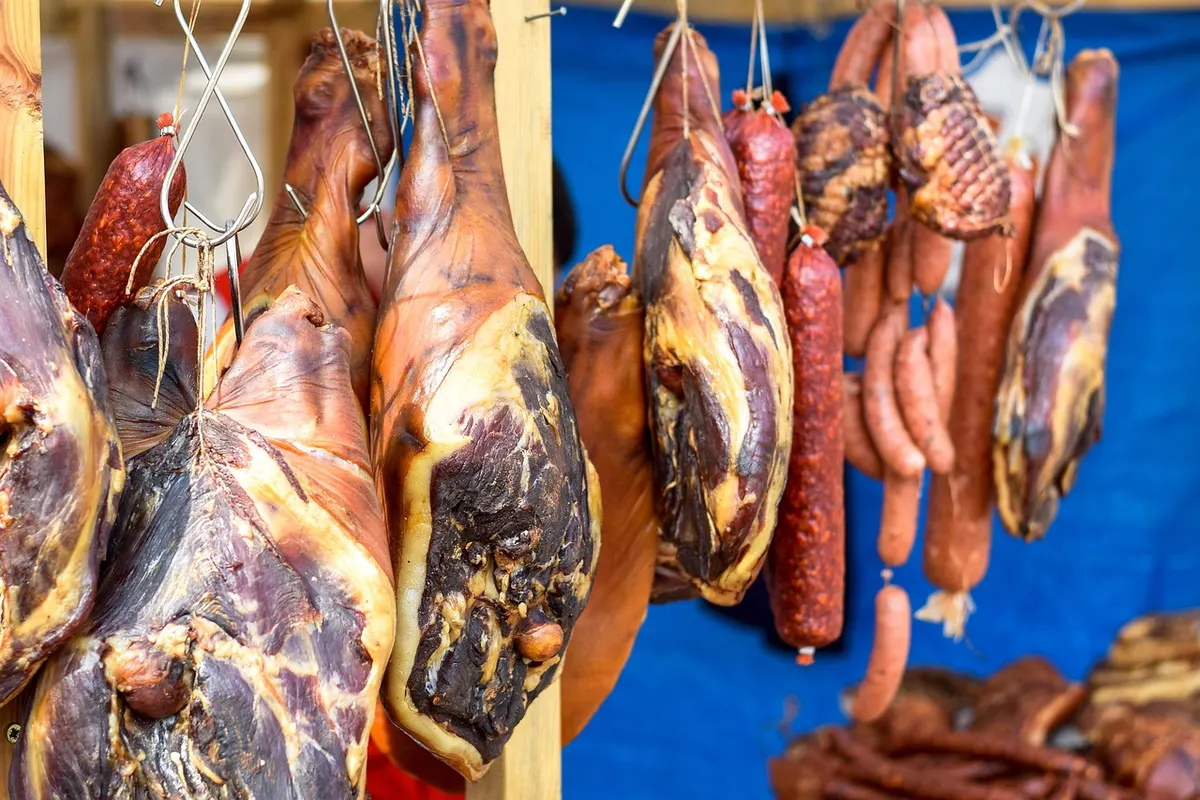
Make salami, ham and other cured meats in a rented inspected space and sell at markets and to local shops.
- $8k-35k
- Part-time
- Own premises
- Licence or permit needed
Estimates for a small start in the US, not guarantees.
Official data
1,703 US businesses with employees in this field, +4.1% in a year
NAICS 311612 “Meat processed from carcasses”. Source: U.S. Census Bureau, County Business Patterns 2023.
What it is
You cure, ferment, smoke and package small batches of products like salami, coppa, bacon and smoked sausage. Instead of building your own plant, you rent time or space in a licensed, inspected facility, such as a shared commercial kitchen or a meat processor with room to rent.
Your first three steps
- Call your state department of agriculture and the USDA FSIS small plant help line to learn which inspection rules apply to your products and where you plan to sell
- Find a shared or licensed facility that is allowed to handle meat, and ask about rental terms, curing space and storage
- Test a few recipes in small batches, write down every step for a food safety plan, and take samples to a local specialty shop or market manager
Who pays
Farmers market shoppers, local specialty grocers and cheese shops, craft breweries, restaurants and customers who buy through local pickup or preorders.
How it makes money
You sell packaged products by weight or by the piece, at retail prices at markets and at wholesale prices to shops and restaurants. Wholesale volume lifts income, but retail margins are better.
Skills that help
- Cooking and butchery basics
- Food safety discipline
- Patience with long curing times
- Selling and building relationships with shops and chefs
Watch out for
- Cottage food laws usually do not cover cured or smoked meats, so check with your state before making anything at home
- Meat for sale generally has to be made under USDA or state inspection, and cured or smoked products typically need a written HACCP food safety plan, so check what applies to you
- Selling across state lines usually requires USDA inspection rather than state inspection only, so check before shipping or selling out of state
- Product liability and general liability insurance, because foodborne illness is a real risk with cured products
- Labeling rules for packaged meat, and your state and city rules for business licenses and sales tax
- Cash is tied up while products cure for weeks or months before you can sell them
Deep research report · US
Everything you need to start: small-batch cured meats maker
Researched with live web search for United States: real startup prices, the licences and rules, what others charge, a break-even example, how to find your first customers and a 30-day launch plan. With sources.
- Startup costs with real prices
- Licences, registration and rules
- Pricing: what others charge
- Break-even example
- Finding your first customers
- 30-day launch plan
- Risks and how to reduce them
Questions people ask
How much does it cost to start a small-batch cured meats business?
Startup costs are typically estimated at around $8,000 to $35,000, depending on the licensed facility you rent, your equipment and packaging, and insurance. Renting space avoids the cost of building your own plant.
How much can a cured meats maker earn?
Monthly revenue is typically estimated at around $2,000 to $10,000, depending on batch size, products and sales channels. Cash is tied up while products cure for weeks or months before you can sell them.
Can I make cured meats at home to sell?
Check with your state first, since cottage food laws usually do not cover cured or smoked meats. Also check USDA or state inspection, a written HACCP plan, rules for selling across state lines, labeling, and insurance.
Other ways to run this business
Similar food ideas

Bagged ice delivery for bars and events
Buy ice in bulk from a local ice plant and deliver it to bars, caterers and event planners on a regular route.
- $8k-35k
- Part-time
- Out and about
Farmers market butcher stand
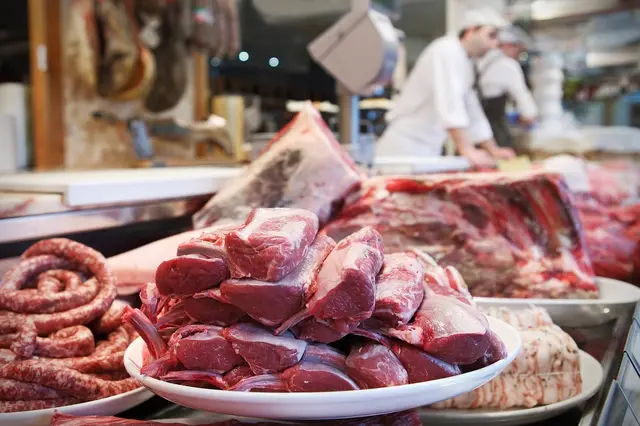
Cut and pack quality meats in a licensed space, then sell at farmers markets and by pre-order pickup.
- $8k-35k
- Side hustle
- Out and about

Specialty food supplier with a delivery route
Deliver a focused range of ingredients and drinks to local cafes, caterers and restaurants on a set weekly route.
- $8k-35k
- Part-time
- Out and about

Delivery-only restaurant from a shared kitchen
Launch a restaurant brand with no dining room, cooking in a rented commercial kitchen for delivery and pickup.
- $8k-35k
- Part-time
- Own premises
Fresh-pressed apple cider for markets and shops
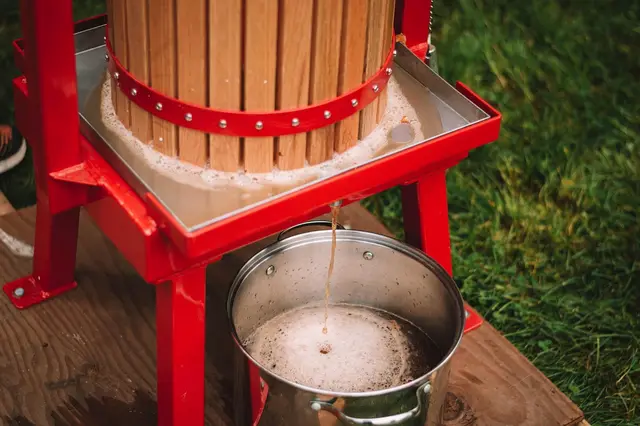
Press local apples into fresh sweet cider and sell it at farmers markets, farm stands and local stores in fall.
- $8k-35k
- Side hustle
- Own premises
Mobile coffee cart or kiosk
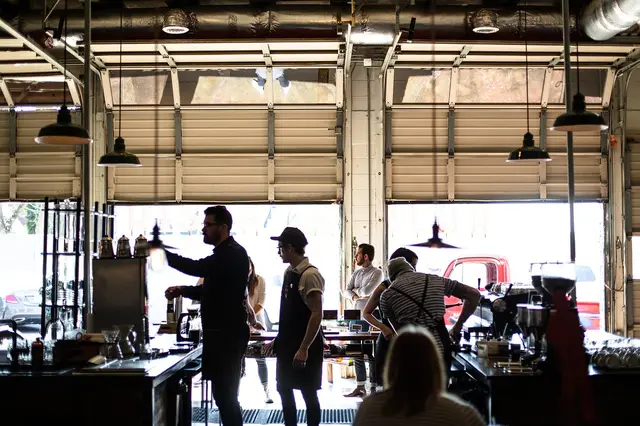
Serve coffee, tea and pastries from a small cart or kiosk at markets, events and busy corners.
- $8k-35k
- Side hustle
- Out and about
Photo: Pexels on Pixabay