Vintage and replacement china seller
Source vintage and discontinued china and sell pieces to collectors and people completing old sets.

- $600-3k
- Side hustle
- From home
Estimates for a small start in the US, not guarantees.
Official data
11,046 US businesses with employees in this field, -1.6% in a year
NAICS 442299 “All other home furnishings stores”. Source: U.S. Census Bureau, County Business Patterns 2023.
What it is
A home-based business sourcing used and vintage dinnerware from estate sales, thrift stores and auctions, then selling it online. Many buyers look for single pieces to complete or replace a set.
Your first three steps
- Visit estate sales and thrift stores and study sold listings online to learn which patterns and makers sell
- Buy a first batch of 20 to 40 pieces, then photograph and list them on one marketplace
- Set up a packing station and practice packing, plus a simple spreadsheet tracking cost, price and shipping
Who pays
Collectors, people replacing broken pieces from family sets, vintage-style hosts and gift buyers.
How it makes money
You buy pieces cheaply, clean and photograph them, and sell at a markup through your own site or marketplaces such as eBay, Etsy or Facebook Marketplace.
Skills that help
- Spotting patterns, makers and condition issues
- Photography and accurate listings
- Careful packing of fragile items
Watch out for
- Vintage china and glazes may contain lead, especially older pieces with decorated rims or bright colors. Read FDA guidance on lead in ceramicware, and in listings state clearly that the lead content is unknown and that the piece is not tested, rather than implying it is safe for food use. Consider lead test kits or lab testing for pieces you describe as food-safe, and consider selling doubtful pieces as display only
- Hidden chips, cracks and crazing, so inspect and describe condition carefully to avoid returns
- Breakage in shipping; use strong packaging and consider shipping insurance
- Sales tax and resale rules in your state, and income reporting to the IRS
- Home occupation rules or HOA and lease limits on storing stock at home
Deep research report · US
Everything you need to start: vintage and replacement china seller
Researched with live web search for United States: real startup prices, the licences and rules, what others charge, a break-even example, how to find your first customers and a 30-day launch plan. With sources.
- Startup costs with real prices
- Licences, registration and rules
- Pricing: what others charge
- Break-even example
- Finding your first customers
- 30-day launch plan
- Risks and how to reduce them
Questions people ask
How much does it cost to start selling vintage china?
Estimated startup costs are typically around $600 to $3,000, depending on how much stock you buy, your packing supplies and any lead test kits or lab testing you choose. Starting small keeps your cash risk lower.
How much can a vintage china seller earn?
Estimated monthly revenue is typically around $500 to $2,500, depending on the pieces you find, your pricing and how many you sell. Returns from hidden chips or cracks can affect results, so describe condition carefully.
What should I check before selling vintage china?
Check FDA guidance on lead in ceramicware, and state clearly in listings that lead content is unknown and untested. Also check sales tax and resale rules in your state, IRS income reporting, and any home occupation, HOA or lease limits on storing stock.
Other ways to run this business

Online dinnerware and tableware store
Sell a curated range of dinnerware and tableware online to home cooks, hosts and gift buyers.
- $1.5k-7.5k
- Side hustle
- Online

Tableware boutique shop
Open a small storefront selling dinnerware, glassware and gifts to locals, hosts and restaurants.
- $25k-80k
- Full-time
- Own premises
Similar retail ideas
Pop-up monthly flea market
Run a monthly outdoor flea market in a borrowed or rented lot and charge sellers for stall space.
- $600-3k
- Side hustle
- Out and about
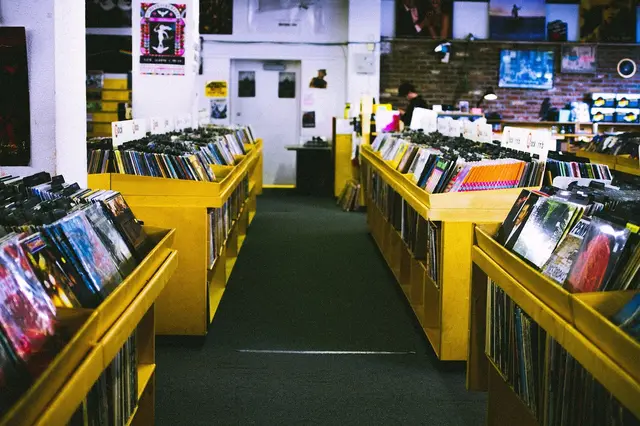
Online record seller with market stalls
Buy, grade and sell used vinyl online and at record fairs, flea markets and pop-ups.
- $500-3k
- Side hustle
- From home
Online medical textbook store
Sell new and used medical textbooks and references to students and clinicians online, run from home.
- $600-3k
- Side hustle
- Online
Weekend market variety stall
Sell low-cost household and everyday items from a stall at flea markets and community markets.
- $500-3k
- Side hustle
- Out and about
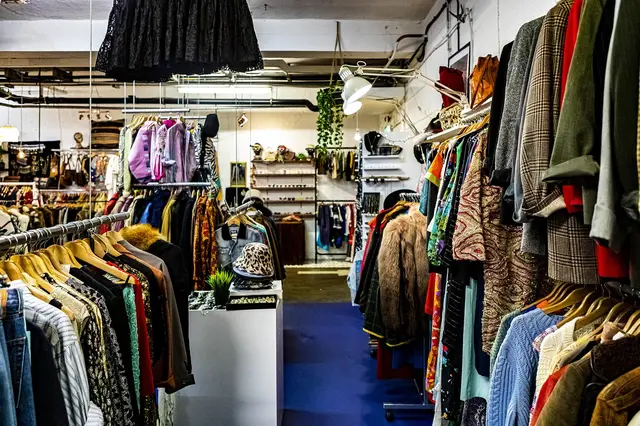
Vintage clothing market and pop-up stall
Sell curated vintage from a rack at weekend markets, fairs and pop-up events in your area.
- $500-3k
- Side hustle
- Out and about
Online refurbished computer reseller
Buy used business laptops and desktops, clean and test them, then sell them online to home users and small businesses.
- $500-3k
- Side hustle
- From home