Home-Based data recovery (software-level)
Recover files from failed drives, phones and memory cards using specialist software, and refer physical failures to a partner lab.
- $600-3k
- Side hustle
- From home
Estimates for a small start in the US, not guarantees.
Official data
18,544 US businesses with employees in this field, +5.7% in a year
NAICS 518210 “Data processing, hosting, and related services”. Source: U.S. Census Bureau, County Business Patterns 2023.
What it is
You recover lost data from drives that still spin and are readable: deleted files, corrupted partitions, formatted memory cards and SSDs, and phones. You work from a home workspace, and customers drop off or mail in their devices. For mechanical failures you can't fix, you refer the job to a partner lab and take a referral share.
Your first three steps
- Practice on old drives and memory cards with recovery software and a write-blocker, and document your process
- Set up a clean workspace, a pricing sheet and a simple intake form with a written authorization and confidentiality agreement
- Contact local IT shops, photographers and small offices to offer recovery work, and agree referral terms with a physical-recovery lab
Who pays
Individuals with lost photos or documents, small businesses with a failed office drive, photographers, and local IT support firms that don't do recovery themselves.
How it makes money
A fixed fee per successful recovery, or a diagnostic fee plus a recovery fee. Many small operators use a 'no data, no fee' model. You can also earn referral fees from a partner lab for jobs you pass on.
Skills that help
- Comfortable with computers, file systems and operating systems
- Patience and careful, methodical work
- Clear communication with stressed customers
- Honest about what is and isn't recoverable
Watch out for
- Never promise a result. Explain clearly that recovery isn't guaranteed and what you charge if it fails
- You will see private data. Use a confidentiality agreement and secure storage, and delete client data when the job is done
- If you handle medical or financial data for business clients, ask about privacy rules such as HIPAA that may apply to them or to you
- Check general liability and professional (errors and omissions) insurance, since a damaged drive can mean a claim
- Check with your city or county about a business license and home occupation permit, and HOA or lease rules
- Check your state's sales tax rules for repair and data services, which vary by state
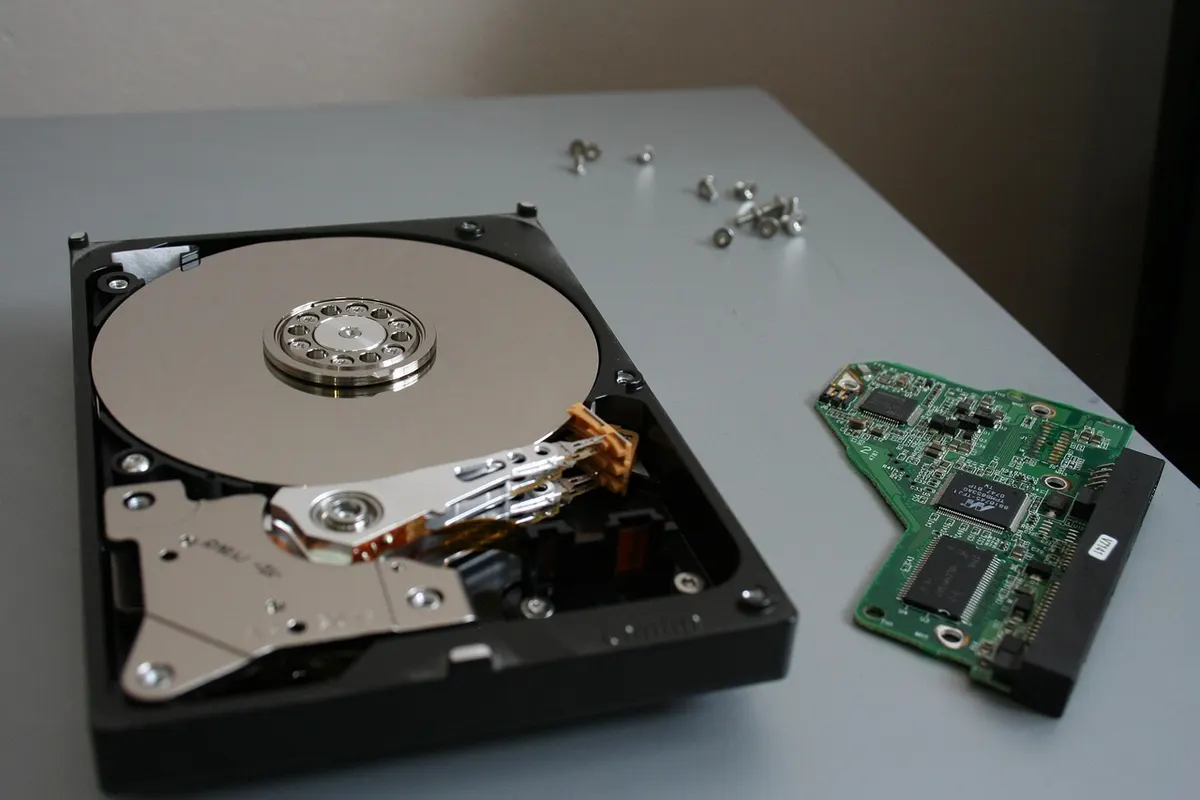
- Do not open sealed hard drives without a proper clean environment, because it can destroy the data
🔒 Full research report for US
Real cost breakdown with current prices, licences and registration checklist, local competition, pricing, break-even and a 30-day launch plan, with sources.
Coming soonQuestions people ask
How much does it cost to start a data recovery business at home?
Startup costs are typically around $600 to $3,000, depending on the recovery software, equipment and home workspace setup you choose. Physical failures can be referred to a partner lab rather than handled yourself.
How much can a home data recovery business make?
Monthly revenue is typically estimated at around $600 to $3,000, depending on job volume, what you charge and referrals from IT firms. This is revenue before costs, not profit.
What rules and insurance should I check for data recovery?
Check with your city or county about a business license and home occupation permit, plus HOA or lease rules, and your state's sales tax rules for repair and data services. Also check privacy rules such as HIPAA for business clients, and general liability and errors and omissions insurance.
Other ways to run this business
Similar tech services ideas

Freelance GIS mapping and analysis
Make custom maps and location analysis for local governments, businesses and property clients, paid per project.
- $300-3k
- Side hustle
- From home

Home-based hi-fi and stereo repair
Repair and restore vintage receivers, amps and turntables for audio fans from a workbench at home.
- $500-3k
- Side hustle
- From home

Online meeting room kit reseller with remote setup help
Sell ready-to-use video meeting kits online and guide customers through setup by phone or video.
- $500-3k
- Side hustle
- Online
Home-based TV repair bench
Fix flat-screen TVs at a home workbench: customers drop off or ship sets for power, backlight and board repairs.
- $500-3k
- Side hustle
- From home
Small business IT support on retainer
Look after the computers, Wi-Fi and backups of small offices for a monthly fee.
- $500-3k
- Part-time
- Out and about

Custom software for local businesses
Build tailored apps, tools and integrations for small businesses that outgrew spreadsheets.
- $300-3k
- Side hustle
- From home
Photo: hetmansoftware on Pixabay