Estate and pre-owned diamond buyer
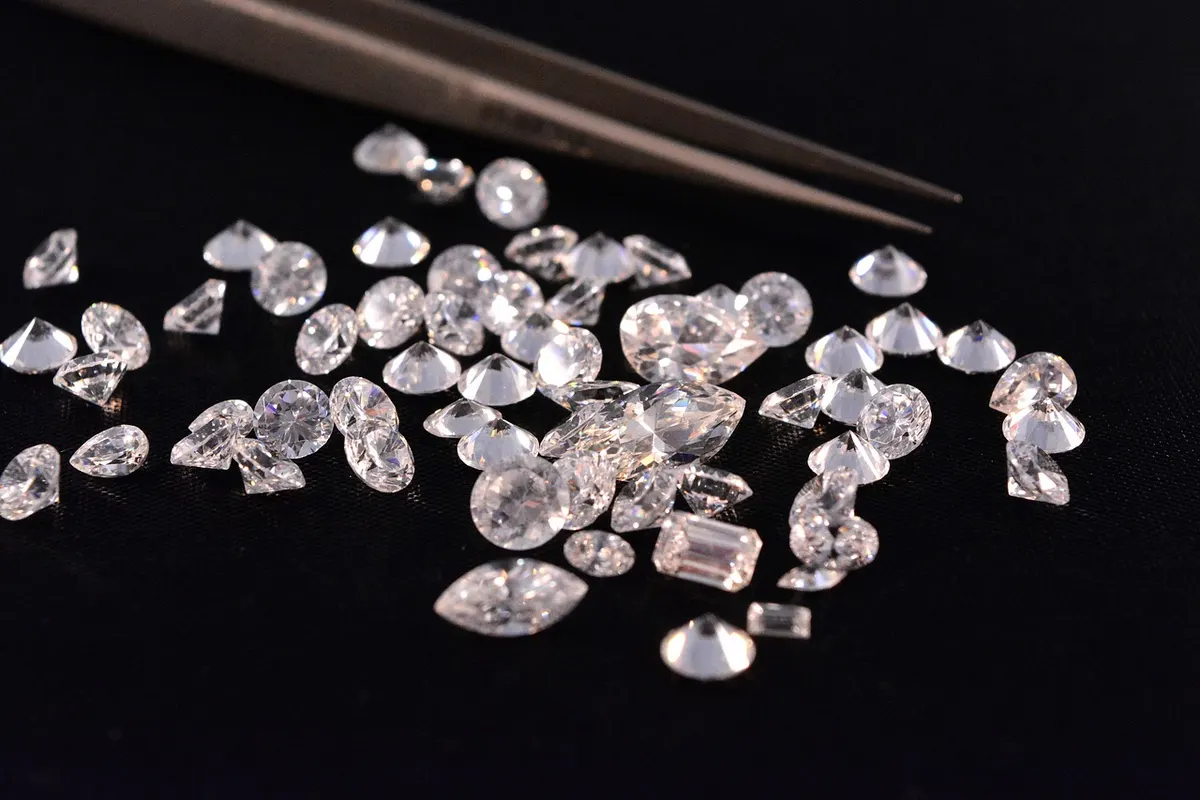
Buy diamonds and diamond jewelry from private sellers by appointment, then resell the stones to jewelers and buyers.
- $3k-15k
- Side hustle
- Out and about
- Licence or permit needed
Estimates for a small start in the US, not guarantees.
Official data
6,949 US businesses with employees in this field, -0.2% in a year
NAICS 423940 “Jewelry, watch, precious stone, and precious metal merchant wholesalers”. Source: U.S. Census Bureau, County Business Patterns 2023.
What it is
You buy loose and set diamonds from people selling inherited or unwanted jewelry, test and grade them, then resell stones to jewelers, other dealers or online buyers, sometimes after reseting or recutting through a partner.
Your first three steps
- Complete a diamond grading course and buy a loupe, a diamond tester and a scale
- Check your city, county and state rules for buying secondhand jewelry, including any license or record-keeping requirements
- Set up appointment-only buying with local jewelers, estate sale organizers and attorneys, and list your offers clearly online
Who pays
Private sellers get paid when you buy; your income comes from jewelers, dealers and private buyers who purchase the stones from you.
How it makes money
You earn the difference between what you pay sellers and what you get on resale, so accurate grading and fair, confident offers matter most.
Skills that help
- Diamond identification and grading
- Fair valuation and negotiation
- Handling sensitive conversations with sellers
- Record keeping and ID checks
Watch out for
- Secondhand dealer or precious metals dealer licenses and police reporting or holding periods: many cities and states have them, so check locally
- Stolen goods risk: verify seller ID and keep clear purchase records
- Anti-money laundering rules for dealers in precious stones: check if your volumes trigger requirements
- Misidentifying lab-grown, treated or simulant stones can cost you money, so use lab reports on higher-value pieces
- Personal safety when meeting sellers and holding cash or stock, so use a safe, public or insured location
- Insurance for stock and for carrying items, since general liability alone may not cover it
Deep research report · US
Everything you need to start: estate and pre-owned diamond buyer
Researched with live web search for United States: real startup prices, the licences and rules, what others charge, a break-even example, how to find your first customers and a 30-day launch plan. With sources.
- Startup costs with real prices
- Licences, registration and rules
- Pricing: what others charge
- Break-even example
- Finding your first customers
- 30-day launch plan
- Risks and how to reduce them
Questions people ask
How much does it cost to start buying estate diamonds?
Estimates suggest startup costs typically around $3,000 to $15,000, depending on testing tools, buying cash and insurance. Monthly revenue is typically estimated at around $1,500 to $7,500, depending on how many stones you buy and resell.
What licenses or rules should I check?
Check secondhand dealer or precious metals dealer licenses and police reporting or holding periods, which many cities and states have. Also verify seller ID, keep clear purchase records, and check whether anti-money laundering rules apply to your volumes.
What skills do I need to buy and resell diamonds?
Useful skills include diamond identification and grading, fair valuation and negotiation, handling sensitive conversations with sellers, and careful record keeping. Misidentifying lab-grown or treated stones can cost you money, so consider lab reports on higher-value pieces.
Other ways to run this business
Similar retail ideas
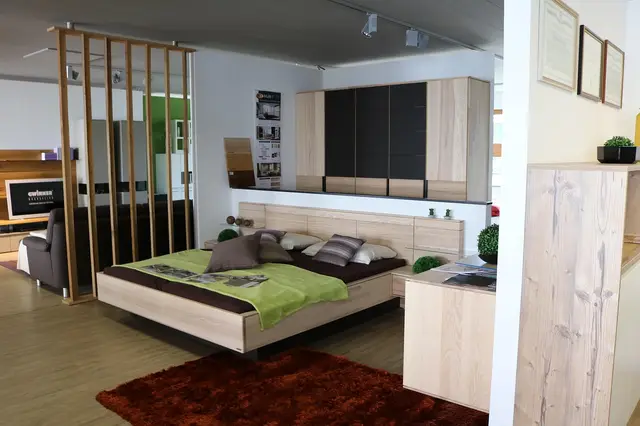
Online bedroom furniture store
Sell bedroom furniture online with supplier shipping, starting small and no showroom to rent.
- $3k-15k
- Side hustle
- Online
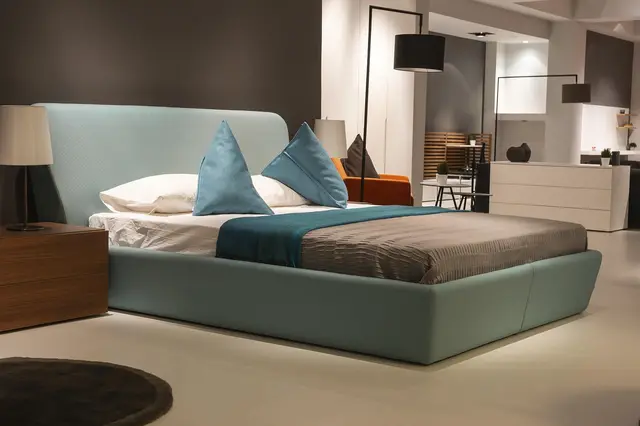
Online bed store with local delivery
Sell beds and mattresses through a simple website, with local delivery and setup.
- $3k-15k
- Side hustle
- Online

Online niche dental supplies store
Sell a focused range of dental consumables to practices and labs through your own website.
- $3k-15k
- Side hustle
- Online

Local shop equipment supply and fit-out
Supply and install shelving, counters and point-of-sale hardware for new and existing shops in your area.
- $3k-15k
- Part-time
- Out and about
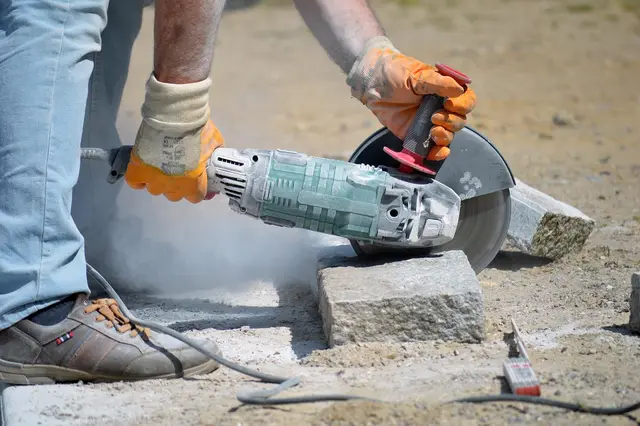
Small tool rental from home
Rent out power tools and small equipment to local tradespeople and DIYers from a garage or storage unit.
- $3k-15k
- Side hustle
- From home

Pop-up outdoor gear stand
Sell outdoor gear at trailheads, race events, farmers markets and festivals from a van or tent.
- $3k-15k
- Side hustle
- Out and about
Photo: 11754907 on Pixabay