Local electrical supply counter and stockroom
Run a small trade counter with a stocked warehouse unit serving local electricians and contractors who need parts same day.

- $40k-200k
- Full-time
- Own premises
- Licence or permit needed
Estimates for a small start in the US, not guarantees.
Official data
13,379 US businesses with employees in this field, -0.6% in a year
NAICS 423610 “Electrical apparatus and equipment, wiring supplies, and related equipment merchant wholesalers”. Source: U.S. Census Bureau, County Business Patterns 2023.
What it is
A small leased unit with a stockroom and trade counter carrying everyday electrical items such as wire, boxes, breakers, fittings and lighting. Local tradespeople pick up what they need or get next-day delivery, with special orders on request.
Your first three steps
- Visit local electricians and contractors to learn what they buy and where the big suppliers fall short on stock or service
- Open accounts with distributors or buying groups, and price out a lease and a starter inventory
- Form an LLC, get an EIN, and check your city or county license and zoning requirements for a warehouse and counter
Who pays
Electricians, electrical and general contractors, builders, maintenance crews and small local retailers.
How it makes money
You buy in bulk from manufacturers and larger distributors and sell at a markup, with account pricing for regular customers. Delivery fees and special-order items can add income.
Skills that help
- Knowing electrical products and how contractors use them
- Inventory control and purchasing
- Customer service and managing trade accounts
Watch out for
- Large startup stock costs, and the risk of slow-moving inventory tying up cash
- Check your state and local business license, sales tax and resale certificate requirements
- General liability, product liability and property insurance, plus workers' compensation once you hire
- Check zoning and fire code rules for storing stock in your unit
- Competition from big supply houses and online sellers, so a clear local niche or service edge matters
- Extending credit to accounts that pay late
Deep research report · US
Everything you need to start: local electrical supply counter and stockroom
Researched with live web search for United States: real startup prices, the licences and rules, what others charge, a break-even example, how to find your first customers and a 30-day launch plan. With sources.
- Startup costs with real prices
- Licences, registration and rules
- Pricing: what others charge
- Break-even example
- Finding your first customers
- 30-day launch plan
- Risks and how to reduce them
Questions people ask
How much does it cost to open an electrical supply counter?
Startup costs are typically around $40,000 to $200,000, depending on the unit and how much opening stock you carry. These are estimates. Large stock costs and slow-moving inventory can tie up cash, so plan purchasing carefully.
How much can a local electrical supply counter make?
Monthly revenue is typically around $20,000 to $100,000, depending on your local customer base, range and pricing. This is an estimate. Hours start at around 40 per week. Late-paying accounts are a risk if you extend credit.
What licenses and rules should I check for an electrical supply business?
Check your state and local business license, sales tax and resale certificate requirements. Also check zoning and fire code rules for storing stock in your unit, and general liability, product liability and property insurance, plus workers' compensation once you hire.
Other ways to run this business
Similar trades ideas

Local solar water heating supply counter
Stock systems and parts from a small unit and supply local installers, plumbers and homeowners.
- $60k-200k
- Full-time
- Own premises
Local fire sprinkler supply counter
Stock sprinkler and suppression parts in a small unit so local installers can pick up what they need the same day.
- $40k-200k
- Full-time
- Own premises
Retaining wall block and stone yard
Stock retaining wall blocks, caps and base materials for local landscapers, builders and homeowners.
- $40k-200k
- Full-time
- Own premises

Small soil yard with screening and blending
Run a small yard that screens and blends soil, selling by the scoop to contractors and homeowners.
- $40k-200k
- Full-time
- Own premises
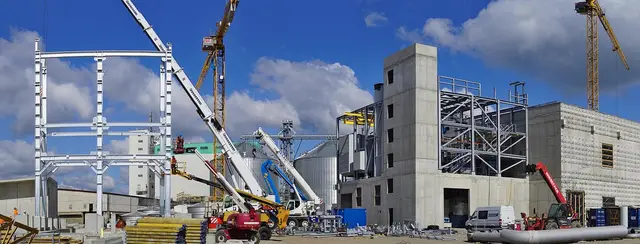
Small structural steel fabrication shop
Cut, weld and finish beams, frames, stairs and railings in your own shop, then deliver or install for builders.
- $40k-200k
- Full-time
- Own premises
Septic repair and installation crew
Repair failing systems and install new tanks and drainage fields with a small excavation crew.
- $50k-200k
- Full-time
- Out and about