Mobile farrier: shoeing and trimming
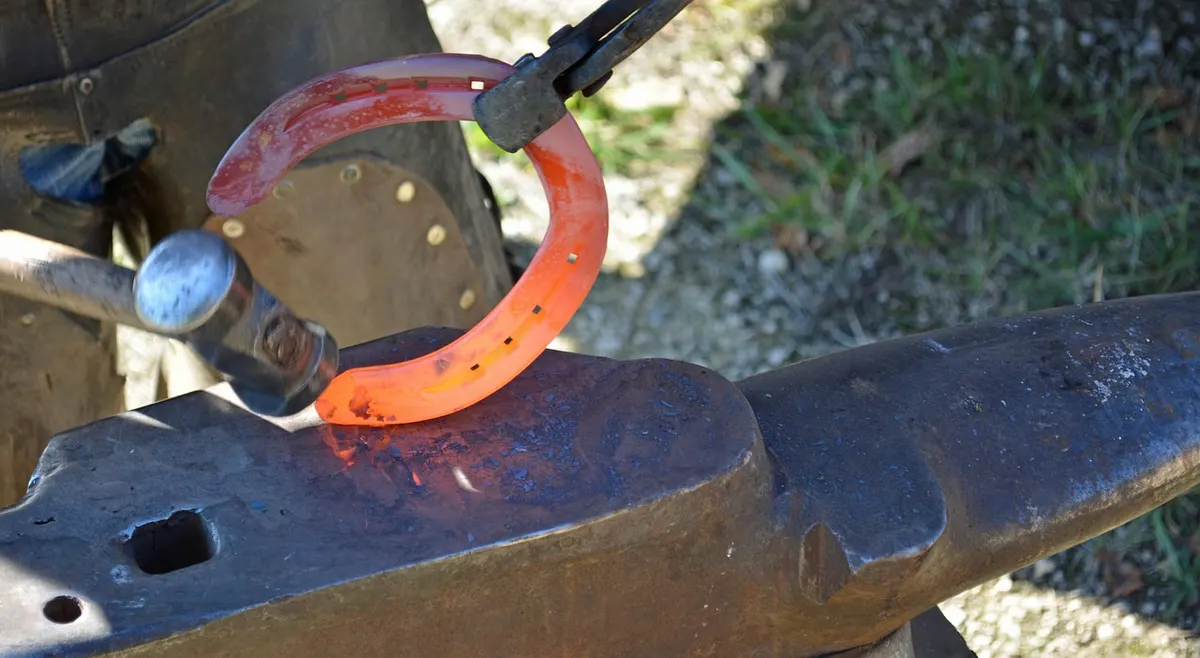
Drive to barns and farms to trim hooves and make and fit horseshoes, paid per horse.
- $3k-15k
- Part-time
- Out and about
Estimates for a small start in the US, not guarantees.
What it is
A mobile service where you travel to stables and private properties with a truck-mounted forge or portable anvil setup. You trim hooves, shape and fit shoes to each horse, and handle basic corrective work.
Your first three steps
- Look into a farrier school or an apprenticeship with an established farrier near you
- Build a starter kit of anvil, rasps, nippers, hoof knives and a portable or gas forge
- Offer trims to a few local barns and ask owners to refer you to others
Who pays
Horse owners, boarding barns, riding schools, trail-riding outfits and hobby farms.
How it makes money
A fixed price per horse, usually per trim or per full set of shoes, repeated every 6 to 8 weeks. Extra charges for corrective or specialty shoes and for call-out distance.
Skills that help
- Calm, confident handling of horses
- Metalworking and shaping shoes
- Physical strength and stamina
- Scheduling a route of repeat clients
Watch out for
- General liability insurance, and check whether it covers working around horses
- Check whether your state or county requires a business license; farriers are not licensed in every state
- Heavy physical work that is hard on the back, knees and hands, so plan for injury and downtime
- Risk of being kicked or injured; learn safe handling before taking on difficult horses
- Vehicle costs, wear and fuel for a rural route
Deep research report · US
Everything you need to start: mobile farrier: shoeing and trimming
Researched with live web search for United States: real startup prices, the licences and rules, what others charge, a break-even example, how to find your first customers and a 30-day launch plan. With sources.
- Startup costs with real prices
- Licences, registration and rules
- Pricing: what others charge
- Break-even example
- Finding your first customers
- 30-day launch plan
- Risks and how to reduce them
Questions people ask
How much does it cost to start a mobile farrier business?
Startup costs are typically estimated at around $3,000 to $15,000, depending on your truck setup, forge or portable anvil, tools and insurance. Vehicle wear and fuel for a rural route are ongoing costs to plan for.
How much can a mobile farrier earn?
Monthly revenue is typically estimated at around $1,500 to $7,000, depending on how many horses you shoe, your prices and the size of your route. Plan on at least about 15 hours a week. The work is physically demanding.
What should I check before starting as a farrier?
Check that your general liability insurance covers working around horses. Check whether your state or county requires a business license, as farriers are not licensed in every state. Also plan for injury and downtime, and learn safe handling before taking on difficult horses.
Other ways to run this business

Similar farming and garden ideas

Hay and bedding delivery service
Buy hay and shavings from local growers and deliver to horse owners and small farms.
- $3k-15k
- Side hustle
- Out and about
Pasture-raised pork for local customers
Raise a few batches of pigs a year and sell whole, half or cut-and-wrapped pork directly to local buyers.
- $3k-15k
- Side hustle
- Own premises

Small seasonal pumpkin patch
Grow a few acres of pumpkins and let local families pick their own each October.
- $3k-15k
- Side hustle
- Own premises

Pasture-raised eggs and meat farm
Raise laying hens, chickens or a few animals on pasture and sell eggs and meat directly to local customers.
- $2k-15k
- Side hustle
- Own premises

Small-herd livestock breeder
Breed a small herd or flock of sheep, goats or pigs and sell young stock to hobby farmers and 4-H families.
- $3k-15k
- Side hustle
- Own premises
Pasture boarding for a few horses on your land
Rent out pasture, shelter and water to local horse owners who do most of the daily care themselves.
- $3k-15k
- Side hustle
- Own premises
Photo: macayran on Pixabay