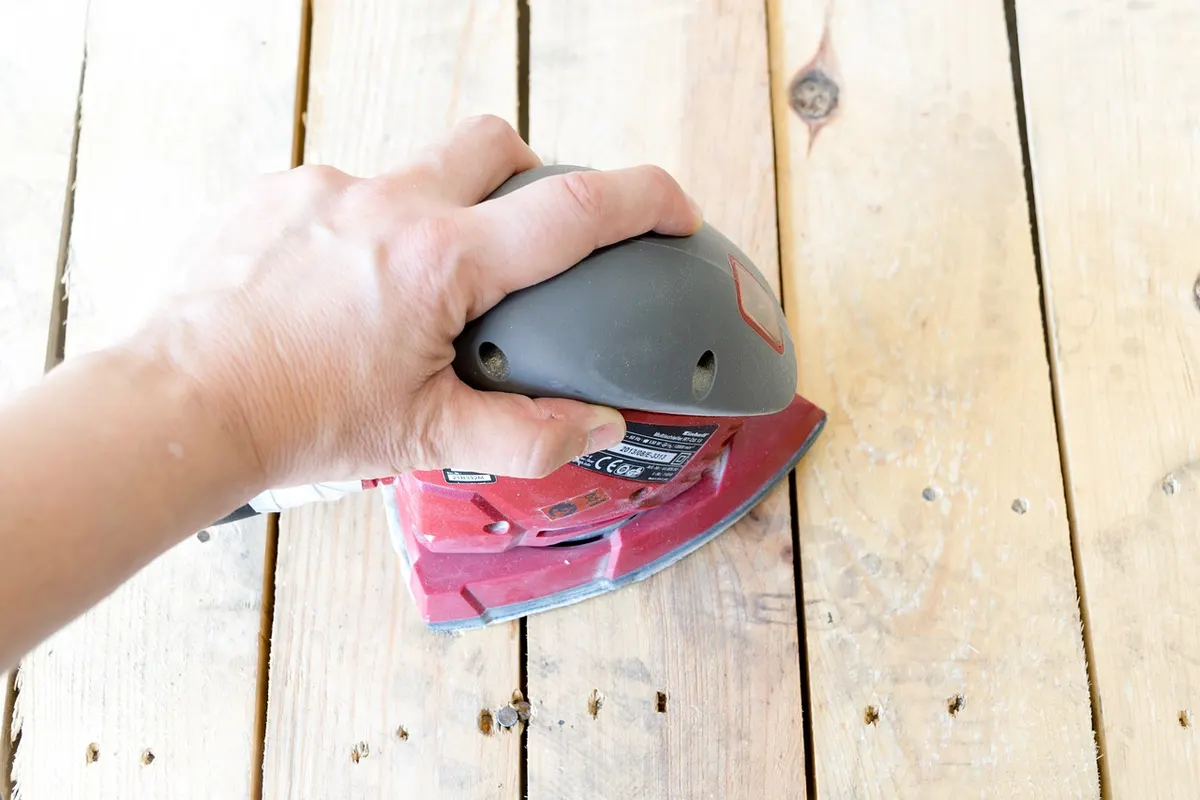
Subcontract floor sanding for contractors
Sand floors for flooring installers, builders and property managers, with work lined up for you.
- $1.5k-7k
- Side hustle
- Out and about
Estimates for a small start in the US, not guarantees.
Official data
17,989 US businesses with employees in this field, -0.4% in a year
NAICS 238330 “Flooring contractors”. Source: U.S. Census Bureau, County Business Patterns 2023.
What it is
You sand floors as a specialist subcontractor for installers, remodelers and property managers who don't have sanding gear or time. The contractor usually deals with the homeowner, and you focus on the sanding.
Your first three steps
- Learn the basics and practice with rented sanders on scrap or spare flooring
- Introduce yourself to local flooring installers, remodelers and property managers with photos of your work
- Form an LLC or register as a sole proprietor, get insurance, and agree rates and payment terms in writing for your first job
Who pays
Flooring installers, general contractors, remodelers, home flippers, property management companies and landlords.
How it makes money
Per square foot or per job rate agreed with each contractor. Repeat work from a few reliable contacts can fill your calendar without much marketing.
Skills that help
- Reliable and on time
- Skilled with sanders on new and old floors
- Good at working with other trades
Watch out for
- Liability insurance, as contractors often ask for proof before hiring you
- Check whether your state treats you as a contractor needing a license even when subcontracting
- Slow payment from contractors, so agree terms and deposits upfront
- Dependence on a small number of clients
- Dust and fume safety, including a respirator and good ventilation
🔒 Full research report for US
Real cost breakdown with current prices, licences and registration checklist, local competition, pricing, break-even and a 30-day launch plan, with sources.
Coming soonQuestions people ask
How much does it cost to start as a floor sanding subcontractor?
Startup costs are typically estimated at around $1,500 to $7,000, depending on your sanders, safety gear and insurance. Working for contractors means you can focus on equipment and skip much of the customer-facing setup.
How much can a floor sanding subcontractor earn?
Monthly revenue is typically estimated at around $1,000 to $5,000, depending on how much work contractors send you. You could start with about 10 hours a week and build from there.
What should I check before subcontracting floor sanding?
Check whether your state treats you as a contractor needing a license even when subcontracting, and get liability insurance, since contractors often ask for proof. Agree payment terms and deposits upfront, and use a respirator and good ventilation.
Other ways to run this business
Similar trades ideas

Sports field and court line marking
Mark and refresh lines on playing fields, tennis and basketball courts for schools, clubs and parks.
- $1.5k-7k
- Side hustle
- Out and about

Home workshop antique furniture restorer
Repair and refinish antique chairs, tables and cabinets for owners and dealers from a garage or spare workshop.
- $1.5k-7k
- Side hustle
- From home

Specialty battery supplier for trade customers
Sell one niche, such as golf cart, mobility or forklift batteries, to businesses online and by phone, shipped from a supplier.
- $1.5k-7k
- Side hustle
- From home
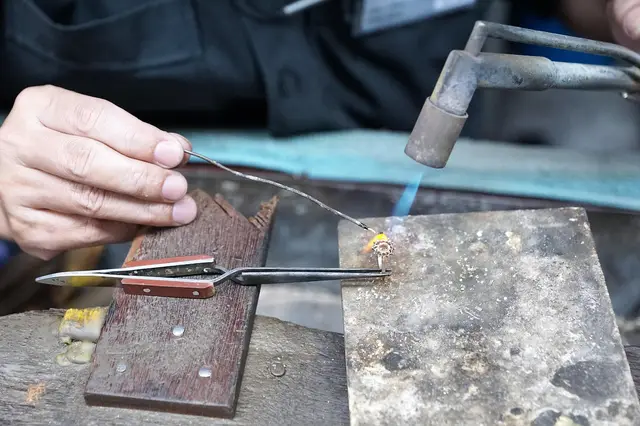
Home bench jewelry repair for local stores
Fix rings, chains and clasps at a home bench, taking trade work from local jewelers plus direct customers.
- $1.5k-7k
- Side hustle
- From home

Mobile furniture repair and custom fitting
Repair furniture and fit shelves, trim and built-ins at customers' homes with a van of hand and portable tools.
- $1.5k-7k
- Side hustle
- Out and about

Home-based lighting distributor to local trades
Sell lighting from manufacturers to electricians and contractors, shipped straight to the job site with no warehouse.
- $1.5k-7.5k
- Side hustle
- From home
Photo: photonia on Pixabay