Tree planting and woodland thinning contractor
Plant seedlings, thin crowded stands and clear brush for private landowners and foresters with hand tools and chainsaws.
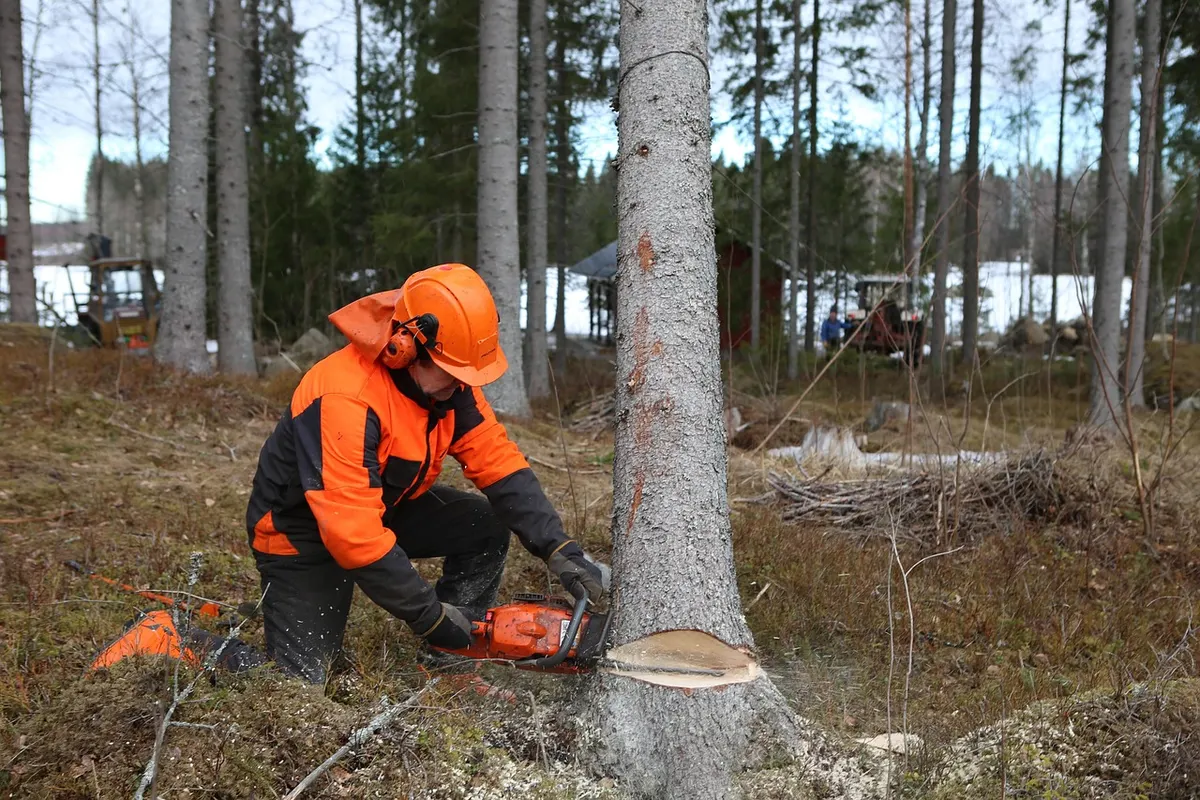
- $2.5k-12k
- Part-time
- Out and about
Estimates for a small start in the US, not guarantees.
Official data
2,023 US businesses with employees in this field, +2.2% in a year
NAICS 115310 “Support activities for forestry”. Source: U.S. Census Bureau, County Business Patterns 2023.
What it is
Contract forestry work done mostly with hand tools and chainsaws: planting seedlings, thinning young stands, cutting invasive brush, pruning and clearing trails or firebreaks on private woodland.
Your first three steps
- Take a chainsaw safety and first aid course, and contact your state forestry agency about local landowner programs and contractor lists
- Introduce yourself to consulting foresters and county extension offices in your area and offer a trial job at a fair per-acre price
- Form an LLC, get an EIN, and buy general liability insurance and basic gear (saws, PPE, planting bars, a used truck or trailer)
Who pays
Private woodland owners, consulting foresters who subcontract crews, timber companies, hunting land owners and landowners using cost-share programs.
How it makes money
Priced per acre, per thousand seedlings planted or per day for a crew. Work is seasonal, so many owners add brush clearing or trail work in the off season.
Skills that help
- Safe chainsaw handling
- Fit and comfortable working outdoors
- Reading land maps and following a forester's plan
- Reliable crew management
Watch out for
- General liability insurance, and workers' compensation as soon as you hire help; forestry is a high-risk trade so check how insurers rate it
- Herbicide use may need a pesticide applicator license, check with your state agriculture department
- Some states list or certify forestry contractors or require logger training, check with your state forestry agency
- Cost-share programs often require approved practices and a forester's plan, confirm before quoting
- Seasonal income and physically demanding, risky work
Deep research report · US
Everything you need to start: tree planting and woodland thinning contractor
Researched with live web search for United States: real startup prices, the licences and rules, what others charge, a break-even example, how to find your first customers and a 30-day launch plan. With sources.
- Startup costs with real prices
- Licences, registration and rules
- Pricing: what others charge
- Break-even example
- Finding your first customers
- 30-day launch plan
- Risks and how to reduce them
Questions people ask
How much does it cost to start a tree planting and thinning business?
Startup costs are estimated at typically around $2,500 to $12,000, depending on tools, chainsaws, safety gear, insurance and transport. Use it as a rough guide and check real prices before buying.
How much can a forestry hand-crew contractor earn?
Monthly revenue is estimated at typically around $2,000 to $10,000, depending on the jobs you win and your crew size. Income is seasonal, and the work is physically demanding and risky.
What should I check before starting forestry contract work?
Check general liability insurance and workers' compensation once you hire help, as insurers may rate forestry as high-risk. Check pesticide applicator rules for herbicides, state forestry contractor listing or logger training, and cost-share program requirements before quoting.
Other ways to run this business

Similar farming and garden ideas
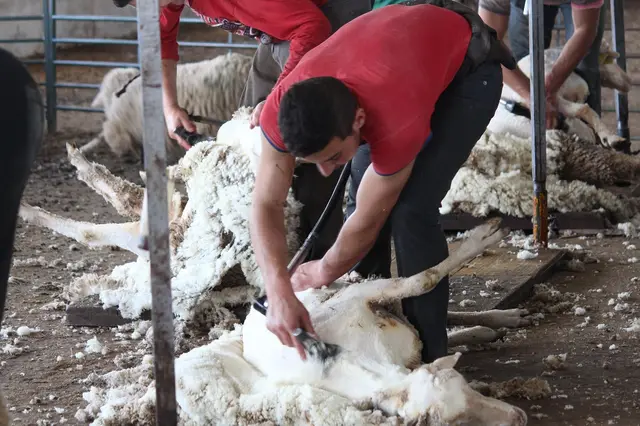
Travelling contract sheep shearer
Travel a seasonal circuit of farms and ranches, shearing flocks of all sizes for a fee per head.
- $3k-12k
- Full-time
- Out and about
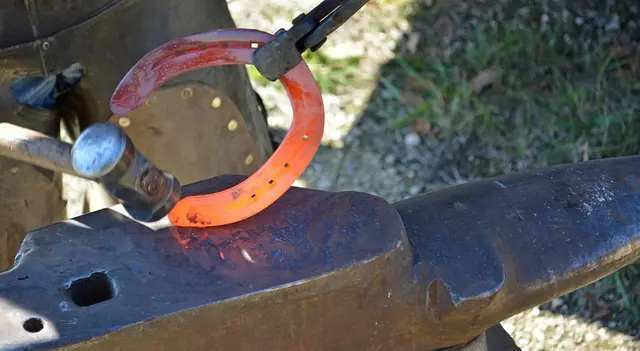
Custom horseshoe maker for farriers
Forge specialty and corrective horseshoes in your own workshop for farriers and owners.
- $2.5k-12k
- Side hustle
- Own premises
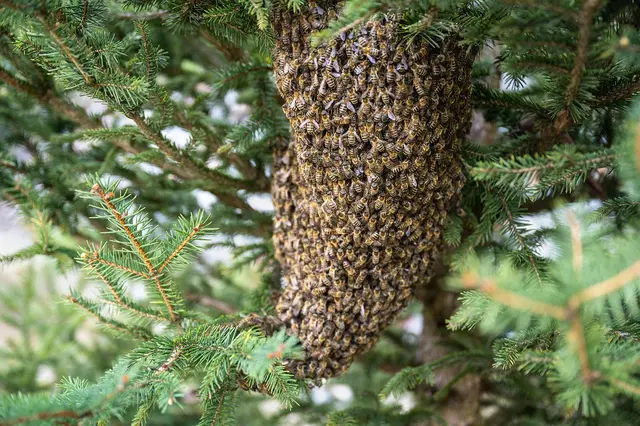
Live bee removal from walls and buildings
Remove established bee colonies from walls, roofs and sheds, then rehome them alive.
- $3k-12k
- Part-time
- Out and about

Christmas tree grower with a seasonal sales lot
Grow trees on a smaller plot and sell pre-cut ones from a pop-up lot or to local businesses.
- $2k-10k
- Side hustle
- Own premises
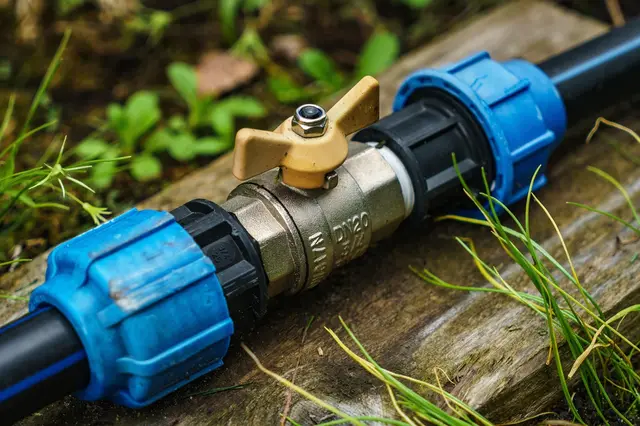
Online drip irrigation kit shop
Sell drip and sprinkler kits online to gardeners and small farms, shipped from a spare room or by your supplier.
- $2k-10k
- Side hustle
- Online
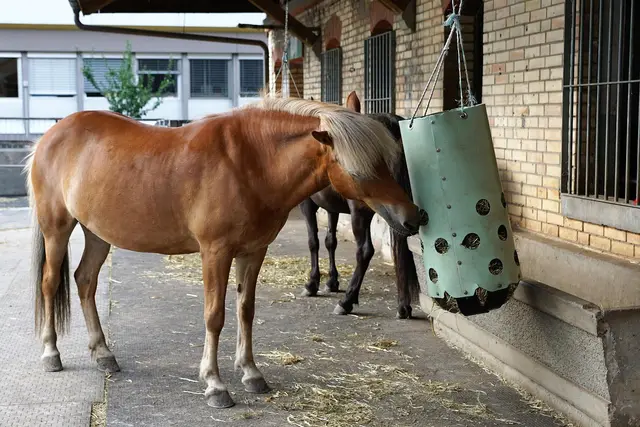
Pasture horse boarding on your land
Board a few horses on your own pasture with shelter, water and daily hay for a monthly fee.
- $2k-10k
- Side hustle
- Own premises
Photo: reijotelaranta on Pixabay