Local furnace and heating parts shop
Open a small shop selling furnaces and parts to HVAC technicians and homeowners in your area.
- $20k-80k
- Full-time
- Own premises
- Licence or permit needed
Estimates for a small start in the US, not guarantees.
What it is
A small storefront or unit that stocks gas and electric furnaces, thermostats, igniters, blower motors, filters and other common heating parts. You advise customers and help them find the right part or unit. Installation is not part of the shop itself and is done by licensed HVAC technicians, either partners you refer to or contractors you work with.
Your first three steps
- Visit local HVAC contractors and ask which parts they struggle to get quickly, then draft a stock list around that
- Apply to become a dealer or distributor with a few furnace and parts brands and compare their minimum orders and terms
- Price out a small retail or flex unit near contractors and homes, and check zoning and business license rules with your city or county
Who pays
Homeowners replacing a furnace, local HVAC technicians and handymen who need parts the same day, landlords and property managers.
How it makes money
Markup on furnaces and parts, with higher volume from repeat technician customers. You can add referral fees or a margin by partnering with licensed installers, but check that your state allows this arrangement.
Skills that help
- Basic knowledge of heating systems and parts
- Customer service and clear explanations
- Inventory and supplier management
- Selling to trade customers
Watch out for
- A general business license, sales tax registration and a resale certificate are usually what a retail parts shop needs, but requirements vary, so check with your state, city or county
- Selling parts and equipment does not normally need an HVAC contractor license, but installing furnaces or doing repairs does in most states, so check your state's contractor licensing board before offering any installation or service
- General liability and product liability insurance, since gas appliance parts carry safety risks
- Inventory ties up cash and furnace demand is seasonal, so plan for slow summer months
- Check manufacturer warranty and return policies and any federal or regional efficiency rules for the furnaces you sell
Deep research report · US
Everything you need to start: local furnace and heating parts shop
Researched with live web search for United States: real startup prices, the licences and rules, what others charge, a break-even example, how to find your first customers and a 30-day launch plan. With sources.
- Startup costs with real prices
- Licences, registration and rules
- Pricing: what others charge
- Break-even example
- Finding your first customers
- 30-day launch plan
- Risks and how to reduce them
Questions people ask
How much does it cost to open a furnace parts shop?
Startup costs are typically around $20,000 to $80,000, depending on your premises, how much stock you carry and your suppliers. Inventory ties up cash, and furnace demand is seasonal, so plan for slower summer months.
Do I need an HVAC license to sell furnace parts?
Selling parts and equipment does not normally need an HVAC contractor license, but installing furnaces or doing repairs does in most states. Check your state's contractor licensing board, plus business license, sales tax and resale certificate requirements with your state, city or county.
How much can a furnace parts shop earn?
Monthly revenue is typically around $8,000 to $40,000, depending on your location, stock range and mix of trade and homeowner customers. Demand is seasonal, so plan for slow summer months. Expect about 35 hours a week at minimum.
Other ways to run this business
Similar home services ideas
Skylight installation and replacement crew
Install and replace skylights in homes and small commercial buildings with a small crew, a truck and a licensed contracting setup.
- $25k-70k
- Full-time
- Out and about
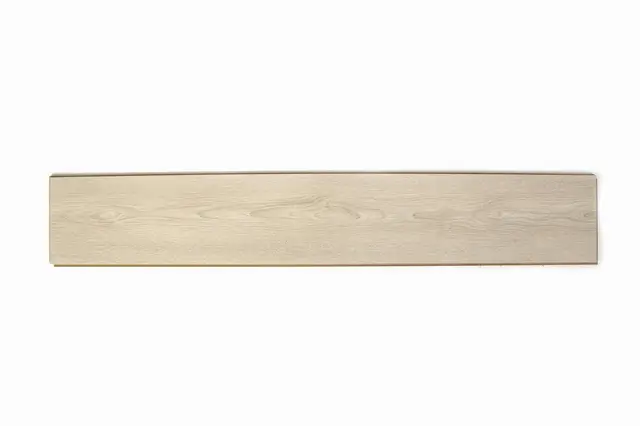
Local flooring supply for installers and builders
Stock popular wood and laminate flooring in a small warehouse and deliver to installers, builders and homeowners nearby.
- $25k-100k
- Full-time
- Own premises
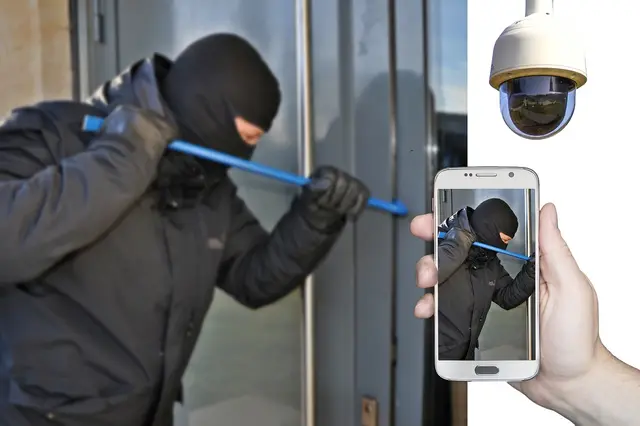
Local alarm and security shop
Open a small shop selling alarm kits and fitting systems for homes and businesses in your area.
- $15k-60k
- Full-time
- Own premises
Small fire restoration company
Run a small crew that handles cleanup, drying, deodorizing and repairs after fire, with insurance work as a core source of jobs.
- $20k-100k
- Full-time
- Out and about
Custom sunroom design-build
Design and build custom sunrooms as permanent home extensions, from plans to final finish.
- $15k-60k
- Full-time
- Out and about
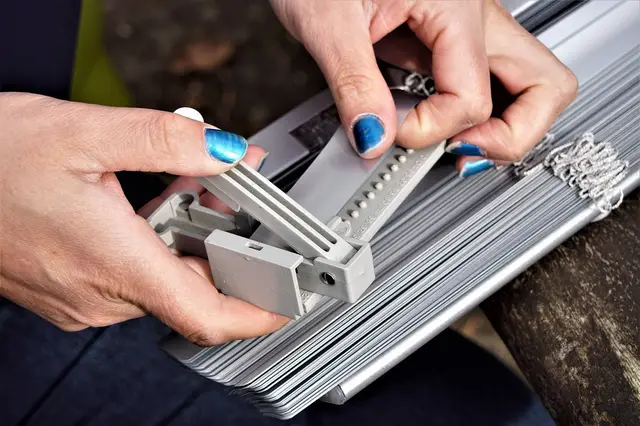
Blinds and shutters showroom
Open a small local showroom selling and fitting blinds, shades and shutters.
- $15k-60k
- Full-time
- Own premises