Start a Local Insulation Supply Store
Stock batts, foam board, rolls and sealants for contractors and DIYers in a small storefront or warehouse unit.

- $60k-250k
- Full-time
- Own premises
- Licence or permit needed
Estimates for a small start in the US, not guarantees.
What it is
A small shop or warehouse-style store selling insulation products such as fiberglass and mineral wool batts, rigid foam boards, rolls, spray foam kits, air sealing supplies and vapor barriers. You advise customers on what suits their project and offer local delivery to job sites.
Your first three steps
- Call local insulation contractors and builders to learn what they buy, how often, and what their current suppliers fail to offer
- Contact regional distributors and manufacturers about dealer accounts, minimum orders and pricing
- Price out small retail or warehouse units with loading access, and check zoning with your city or county before signing a lease
Who pays
Insulation and general contractors, remodelers, small builders and homeowners doing their own projects.
How it makes money
Markup on products bought from distributors or manufacturers, plus delivery fees. Repeat contractor accounts with regular orders give steadier income than walk-in DIY sales.
Skills that help
- Knowing building materials and R-values
- Customer service and advising
- Inventory and ordering
- Building trade relationships
Watch out for
- Sales tax registration and a resale certificate with your state, and any local business license your city or county requires. Check what you need before you open for sales
- General liability and product liability insurance, plus commercial property cover for your stock
- Zoning, fire code and storage rules for foam products and bulky stock, check with your local fire marshal
- Climate zone and building code differences, never present product advice as a code guarantee, send customers to their local building department
- Large upfront stock costs, seasonal swings in building activity and competition from big-box home centers
🔒 Full research report for US
Real cost breakdown with current prices, licences and registration checklist, local competition, pricing, break-even and a 30-day launch plan, with sources.
Coming soonQuestions people ask
How much does it cost to start an insulation supply store?
Estimates suggest startup costs typically around $60,000 to $250,000, depending on your premises, how much stock you carry and any delivery vehicle. Large upfront stock costs are a key factor, so plan your cash carefully.
How much can an insulation supply store earn?
Monthly revenue is typically estimated at around $15,000 to $75,000, depending on location, range and contractor relationships. Building activity swings seasonally and big-box home centers compete, so results can vary. This is revenue, not profit.
What rules should I check before opening an insulation store?
Check sales tax registration and a resale certificate with your state, plus any local business license. Ask your local fire marshal about storage rules for foam products, confirm insurance, and send customers to their building department for code questions.
Other ways to run this business
Similar retail ideas
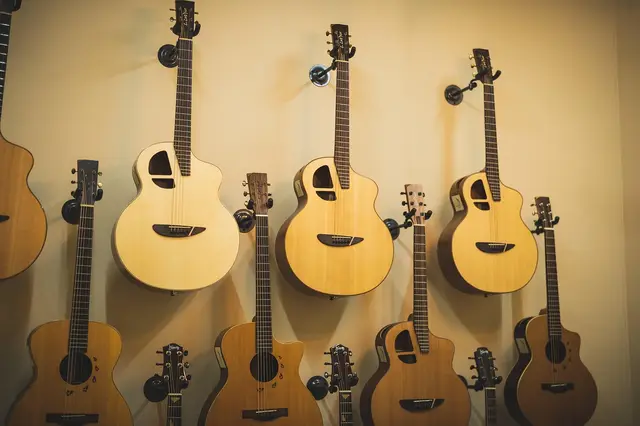
Neighborhood music instrument shop
Open a small shop selling guitars, band instruments, accessories and sheet music to local players, students and parents.
- $60k-250k
- Full-time
- Own premises
Local gun and hunting shop
Open a small storefront selling firearms, ammo and gear to hunters and shooters, with a licensed counter.
- $60k-250k
- Full-time
- Own premises
Local building supply yard for contractors
Open a small supply yard stocking lumber, fasteners and basics for local contractors and DIYers.
- $50k-250k
- Full-time
- Own premises
Sheepskin and wool wholesale warehouse
Run a small stocked unit that supplies sheepskin and wool goods to retailers, designers and online sellers across the country.
- $60k-250k
- Full-time
- Own premises
Neighborhood Chinese grocery store
Open a small store with Chinese pantry staples, fresh produce and household goods for your local community.
- $60k-250k
- Full-time
- Own premises

Neighborhood wine shop with a storage cellar
Open a small wine shop that sells bottles to locals and restaurants and rents cellar space to collectors.
- $60k-250k
- Full-time
- Own premises