Local irrigation supply store
Run a small counter-and-yard supply shop stocking pipe, sprinklers and pumps for local landscapers, farmers and homeowners.
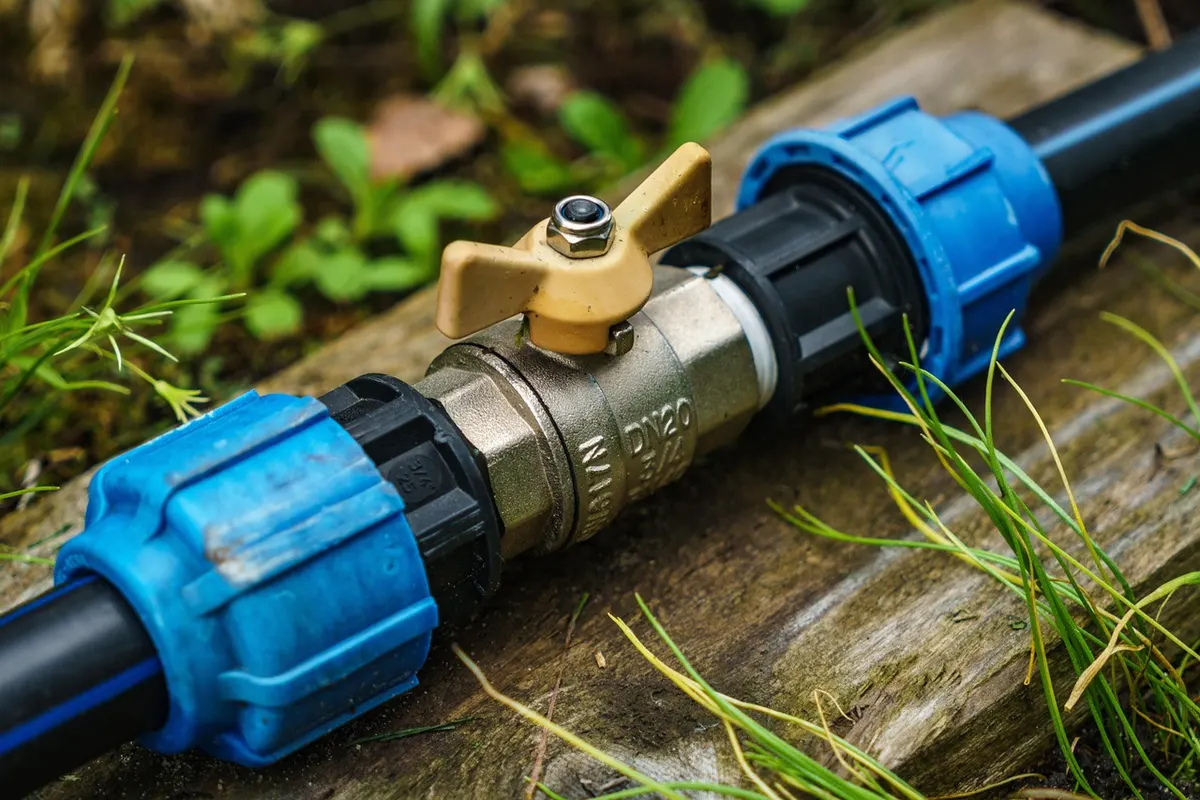
- $30k-150k
- Full-time
- Own premises
- Licence or permit needed
Estimates for a small start in the US, not guarantees.
Official data
7,500 US businesses with employees in this field, +0.7% in a year
NAICS 423820 “Farm and garden machinery and equipment merchant wholesalers”. Source: U.S. Census Bureau, County Business Patterns 2023.
What it is
A small shop or warehouse unit with a trade counter, stocking sprinkler heads, valves, PVC and poly pipe, drip parts, controllers and pumps, with local delivery to job sites and farms.
Your first three steps
- Talk to local installers and farmers about what they buy, where they buy it and what is missing, then pick your service area
- Apply for dealer accounts with major manufacturers and distributors and price out a starting inventory of fast-moving parts
- Find a low-rent unit near your customers, check zoning for retail and storage, and form an LLC with your state
Who pays
Irrigation installers, landscapers, small farms, ranches, golf and sports field crews, and homeowners doing repairs.
How it makes money
Markup on parts sold over the counter and by delivery, with trade accounts for repeat contractors and fees for delivery or design advice.
Skills that help
- Strong knowledge of irrigation parts and layouts
- Customer service and trade relationships
- Inventory and ordering
- Basic bookkeeping and pricing
Watch out for
- Check city or county business license, zoning and sales tax permit requirements
- Stock ties up a lot of cash, so start with fast-moving parts and reorder often
- Some states and cities have rules on backflow preventers and on selling certain fertilizer or chemical injection equipment, check locally
- General liability, product liability, property and delivery vehicle insurance
- Workers' compensation once you hire counter staff or drivers
- Demand can be seasonal and weather-dependent, and big-box stores and distributors compete on price
Deep research report · US
Everything you need to start: local irrigation supply store
Researched with live web search for United States: real startup prices, the licences and rules, what others charge, a break-even example, how to find your first customers and a 30-day launch plan. With sources.
- Startup costs with real prices
- Licences, registration and rules
- Pricing: what others charge
- Break-even example
- Finding your first customers
- 30-day launch plan
- Risks and how to reduce them
Questions people ask
How much does it cost to start an irrigation supply store?
Startup costs are estimated at typically around $30,000 to $150,000, depending on your premises, opening stock and delivery vehicle. Stock ties up a lot of cash, so start with fast-moving parts and reorder often.
How much can an irrigation supply store earn?
Monthly revenue is estimated at typically around $15,000 to $60,000, depending on your trade relationships and the season. Demand can be seasonal and weather-dependent, and big-box stores and distributors compete on price.
What rules should I check before opening an irrigation supply store?
Check city or county business license, zoning and sales tax permit requirements. Also check local rules on backflow preventers and on selling certain fertilizer or chemical injection equipment, plus insurance such as liability, property, delivery vehicle and workers' compensation.
Other ways to run this business

Similar farming and garden ideas

Breeding farm with foals and young horses
Run a small farm with several broodmares, selling foals and started young horses to riders, plus offering stud services.
- $40k-150k
- Full-time
- Own premises

Pick-your-own farm with a farm stand
Lease farmland and run a multi-crop farm that opens spring to fall for picking, with a stand selling extras.
- $30k-150k
- Full-time
- Own premises
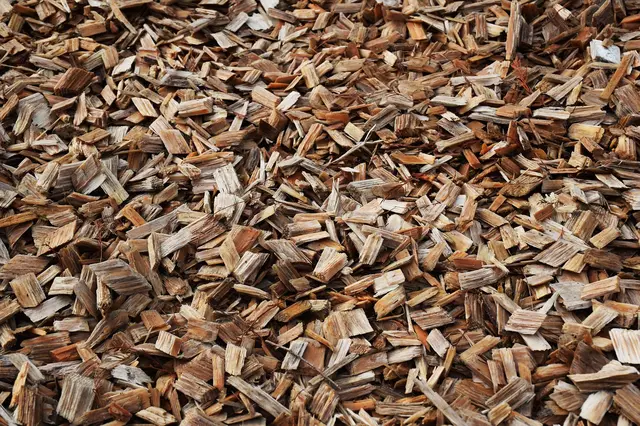
Small bulk landscape materials yard
Run a yard selling bulk mulch, bark and soil by the scoop or truckload to local gardeners and landscapers.
- $30k-150k
- Full-time
- Own premises

Stallion stud services for local mare owners
Stand a proven stallion and offer breeding services, live cover or shipped semen, to mare owners.
- $30k-150k
- Part-time
- Own premises

Bulk topsoil delivery by dump truck
Buy topsoil from yards and deliver full truckloads to landscapers, builders and homeowners across your county.
- $60k-150k
- Part-time
- Out and about
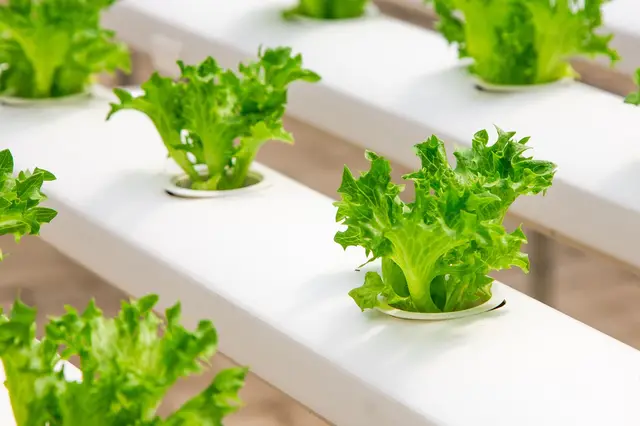
Local hydroponics and indoor growing shop
Open a small store where local growers get lights, nutrients, systems and hands-on advice.
- $30k-120k
- Full-time
- Own premises
Photo: Alexei_other on Pixabay