Small korean grocery store
Stock Korean sauces, noodles, snacks and produce for households and restaurants in your area.

- $30k-150k
- Full-time
- Own premises
- Licence or permit needed
Estimates for a small start in the US, not guarantees.
Official data
62,947 US businesses with employees in this field, +0.5% in a year
NAICS 445110 “Supermarkets and other grocery (except convenience) stores”. Source: U.S. Census Bureau, County Business Patterns 2023.
What it is
A small neighborhood store selling Korean pantry staples such as gochujang, doenjang, kimchi, rice, noodles, seaweed, frozen dumplings, snacks and drinks, plus some fresh produce if you have the space.
Your first three steps
- Visit Korean groceries and Asian wholesalers in your region to learn prices, popular products and what is missing in your zip code
- Contact Korean and Asian food distributors about minimum orders, delivery areas and payment terms
- Price out a small retail unit, then check city or county rules for a business license, a certificate of occupancy and your state's retail food permit
Who pays
Korean and Asian American households, adventurous home cooks, students, and local restaurants or caterers buying ingredients in bulk.
How it makes money
Markup on products sold at the counter, plus larger orders for restaurants. Fast-selling items like rice, noodles and sauces bring steady sales, and imported snacks and specialty items carry higher margins.
Skills that help
- Knowing Korean foods and what customers cook with
- Ordering and managing stock
- Customer service and basic bookkeeping
Watch out for
- Retail food permits and health department inspections, since rules vary by state and county, especially for fresh, refrigerated or frozen items
- Sales tax registration with your state, and whether some grocery items are taxed differently
- Imported food labeling rules, check FDA requirements and ask suppliers for compliant products
- Spoilage, expiry dates and cold storage costs
- General liability and product liability insurance, plus a lease that allows food retail
Deep research report · US
Everything you need to start: small Korean grocery store
Researched with live web search for United States: real startup prices, the licences and rules, what others charge, a break-even example, how to find your first customers and a 30-day launch plan. With sources.
- Startup costs with real prices
- Licences, registration and rules
- Pricing: what others charge
- Break-even example
- Finding your first customers
- 30-day launch plan
- Risks and how to reduce them
Questions people ask
How much does it cost to open a Korean grocery store?
Startup costs are typically around $30,000 to $150,000, depending on shop size, lease terms, refrigeration, opening stock and how much fresh or frozen food you carry. Your location and fit-out choices will move the total.
How much revenue can a small Korean grocery make?
Monthly revenue is typically around $15,000 to $60,000 as an estimate, depending on location, store size, product range and whether you supply local restaurants or caterers. This is revenue, not profit, so costs come out of it.
What permits and rules should I check for a Korean grocery?
Check retail food permits and health department inspections, which vary by state and county, especially for fresh, refrigerated or frozen items. Also check sales tax registration, FDA labeling rules for imported food, insurance, and whether your lease allows food retail.
Other ways to run this business

Similar food ideas

Açaí bowl and smoothie shop
Run a small counter-service shop selling açaí bowls, smoothies and juices to walk-in and takeaway customers.
- $40k-150k
- Full-time
- Own premises

Italian specialty grocery shop
Open a small shop selling imported pasta, cheese, oils and Italian pantry staples to local food lovers.
- $40k-150k
- Full-time
- Own premises
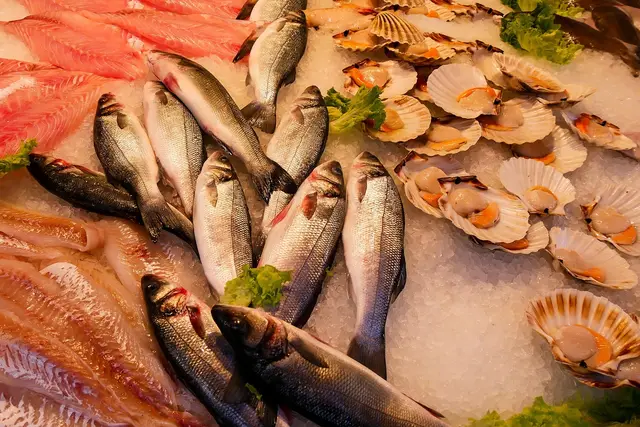
Neighborhood fish shop
Run a small fish counter selling fresh fish and shellfish to local cooks, restaurants and caterers.
- $30k-150k
- Full-time
- Own premises
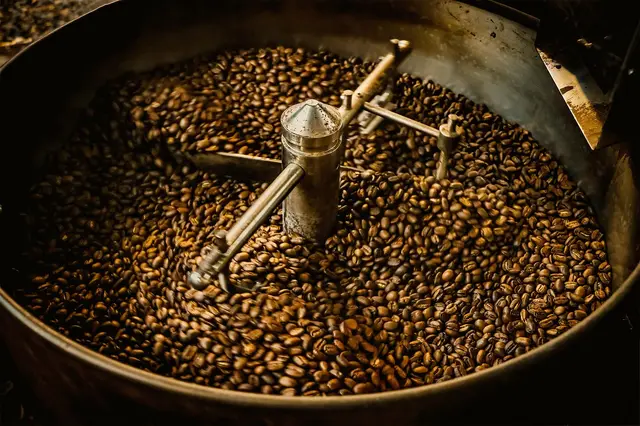
Local roastery supplying cafés and shops
Rent a small unit, roast larger batches and supply fresh coffee to local cafés, restaurants and offices.
- $40k-150k
- Full-time
- Own premises
Neighborhood tofu shop with on-site production
Open a small storefront that makes tofu daily and sells it to walk-in shoppers and local restaurants.
- $40k-150k
- Full-time
- Own premises
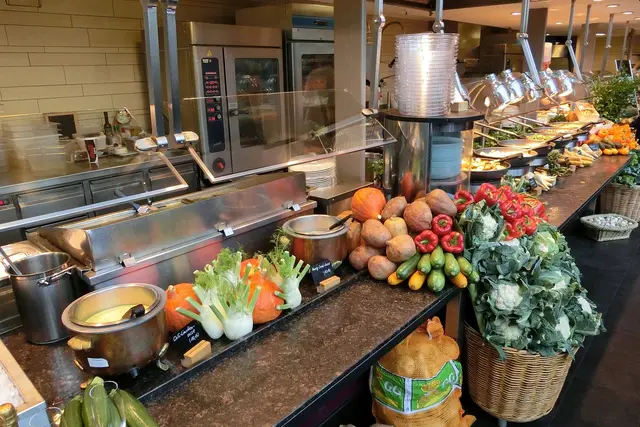
Neighborhood self-service lunch counter
Open a small self-service eatery with hot and cold lunch dishes for local workers, students and residents.
- $30k-150k
- Full-time
- Own premises