Local medical supply storefront
Open a small shop selling mobility aids, braces and wound care to patients, families and caregivers nearby.

- $40k-150k
- Full-time
- Own premises
- Licence or permit needed
Estimates for a small start in the US, not guarantees.
Official data
10,170 US businesses with employees in this field, -1.8% in a year
NAICS 446199 “All other health and personal care stores”. Source: U.S. Census Bureau, County Business Patterns 2023.
What it is
A small retail store stocking cash-pay items such as walkers, canes, bath safety aids, compression socks, braces, dressings and incontinence products. You help customers choose the right product and can offer basic fitting and ordering for items you don't stock.
Your first three steps
- Visit local pharmacies, clinics and senior centers to see what is missing nearby, then draft a product list and budget
- Request wholesale accounts and price lists from a few medical supply distributors, and compare store lease options in your zip code
- Contact your state and city offices to find out what business license, sales tax permit and any medical equipment supplier registration applies to you
Who pays
Patients, family caregivers, and people leaving the hospital or rehab. Assisted living homes, home care agencies and clinics can also be regular buyers.
How it makes money
Markup on products sold in the store, plus repeat sales of consumables like dressings and supplies. Some owners add equipment rentals (e.g., wheelchairs, knee scooters) and bulk orders for care settings.
Skills that help
- Friendly, patient customer service
- Learning product details and sizing
- Inventory and supplier management
- Building referrals with local clinics
Watch out for
- Selling to Medicare or Medicaid patients usually means DMEPOS enrollment, accreditation and a surety bond, so check whether you want to stay cash-pay at first
- Some states license or register medical equipment suppliers, and certain items (like oxygen) have extra rules, so check with your state licensing board
- Some devices are regulated by the FDA, so buy from reputable distributors and keep records
- General liability and product liability insurance, plus the risk of giving anything that sounds like medical advice
- Inventory ties up cash, and slow-moving sizes and models can sit on the shelf; check how your state taxes medical items
Deep research report · US
Everything you need to start: local medical supply storefront
Researched with live web search for United States: real startup prices, the licences and rules, what others charge, a break-even example, how to find your first customers and a 30-day launch plan. With sources.
- Startup costs with real prices
- Licences, registration and rules
- Pricing: what others charge
- Break-even example
- Finding your first customers
- 30-day launch plan
- Risks and how to reduce them
Questions people ask
How much does it cost to open a medical supply store?
Startup costs are typically around $40,000 to $150,000, depending on your inventory, shop lease and fit-out, and insurance. Inventory ties up cash, so these estimates depend heavily on what you stock at the start.
How much can a medical supply storefront earn?
Monthly revenue is typically around $10,000 to $50,000, depending on your location, product range, and referrals from clinics and care providers. These are estimates of revenue, not profit, and the idea assumes about 35 hours a week.
What rules should I check before opening a medical supply shop?
Check whether selling to Medicare or Medicaid patients means DMEPOS enrollment, accreditation and a surety bond. Check state licensing for equipment suppliers, FDA-regulated devices, liability insurance, and how your state taxes medical items.
Other ways to run this business
Similar retail ideas
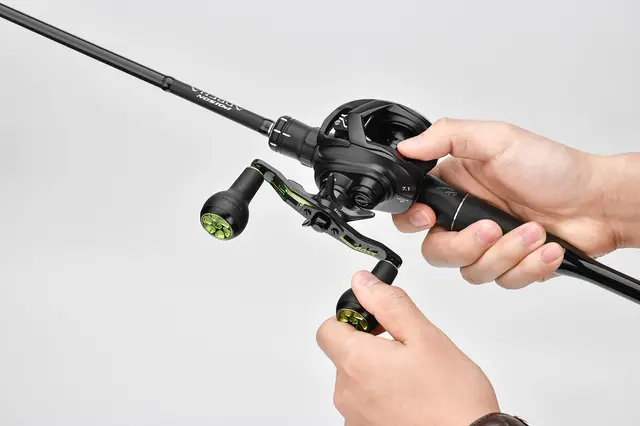
Local bait and tackle shop
Open a small shop selling rods, lures, bait and outdoor gear to anglers and hunters near a lake, river or popular fishing area.
- $40k-150k
- Full-time
- Own premises
Neighborhood cutlery and kitchen knife shop
Open a small store where home cooks and chefs can handle knives, get advice and have their blades sharpened.
- $40k-150k
- Full-time
- Own premises
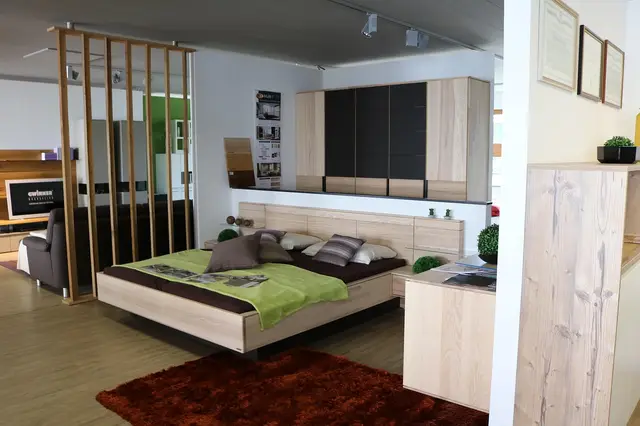
Bedroom furniture showroom
Open a small local store selling beds, dressers and wardrobes to people furnishing their bedrooms.
- $40k-150k
- Full-time
- Own premises

Fine jewelry and watch wholesaler for independent jewelers
Supply fine jewelry and watches to independent jewelry stores, selling at trade shows and visiting stores in your region.
- $40k-150k
- Part-time
- Out and about

Small furniture showroom
Open a local showroom selling sofas, tables and beds to homeowners and small offices nearby.
- $30k-150k
- Full-time
- Own premises

Full-time vending route business
Run a larger route of snack, drink and specialty machines in offices, schools and public sites, with a small stockroom.
- $40k-150k
- Full-time
- Out and about