Money transfer and bill pay storefront
Open a small shop offering money transfers, wallet top-ups and bill payments for your community, with several providers.

- $12k-50k
- Full-time
- Own premises
- Licence or permit needed
Estimates for a small start in the US, not guarantees.
Official data
11,300 US businesses with employees in this field, -6.7% in a year
NAICS 522390 “Other activities related to credit intermediation”. Source: U.S. Census Bureau, County Business Patterns 2023.
What it is
A small dedicated storefront in a busy neighborhood where you act as an agent for several licensed providers. Customers send money abroad, cash in or out of mobile wallets, and may pay bills or buy prepaid phone cards and top-ups.
Your first three steps
- Study your neighborhood: where people come from, which providers competitors use and where foot traffic is high
- Apply to two or more providers as an agent and ask about bonds, deposits, equipment and training
- Find a storefront, check zoning and your city or county business license rules, and form an LLC or register as a sole proprietor
Who pays
Immigrant families, unbanked and underbanked customers, and workers who are paid in cash. Providers pay you commissions, and you may also earn small fees from other services such as bill pay.
How it makes money
Commissions from each provider on every transaction, plus margins on side services like prepaid cards, phone top-ups and bill payments. More providers and longer opening hours bring more volume.
Skills that help
- Customer service and trust building
- Cash handling and daily reconciliation
- Managing compliance paperwork
- Marketing within a local community
Watch out for
- Check whether your state and each provider require agent registration, bonds or background checks
- Check federal anti-money laundering obligations, including FinCEN rules, and your provider's compliance program
- Keep careful records; providers can audit you and may end your agreement for compliance failures
- Cash on site is a robbery risk; check insurance, a safe, cameras and cash drop procedures
- Commissions are small per transaction, so check rent and staffing costs against realistic volume before signing a lease
Deep research report · US
Everything you need to start: money transfer and bill pay storefront
Researched with live web search for United States: real startup prices, the licences and rules, what others charge, a break-even example, how to find your first customers and a 30-day launch plan. With sources.
- Startup costs with real prices
- Licences, registration and rules
- Pricing: what others charge
- Break-even example
- Finding your first customers
- 30-day launch plan
- Risks and how to reduce them
Questions people ask
How much does it cost to open a money transfer storefront?
As an estimate, startup costs are typically around $12,000 to $50,000, depending on your location, the shop fit-out, security equipment and how many provider agreements you set up before opening.
How much can a money transfer and bill pay shop earn?
Monthly revenue is typically estimated at around $3,000 to $15,000, depending on your location, transaction volume and the providers you work with. Commissions are small per transaction, so compare rent and staffing costs against realistic volume.
What rules should I check before opening a money transfer shop?
Check whether your state and each provider require agent registration, bonds or background checks. Also check federal FinCEN anti-money laundering obligations, record keeping for provider audits, and insurance, safe and camera setups for cash on site.
Other ways to run this business
Similar retail ideas

Feng shui and wellness gift shop
Open a small storefront selling feng shui décor and offering simple décor advice to local buyers.
- $10k-50k
- Full-time
- Own premises

Local screen shop with walk-in counter
Run a small shop making, repairing and selling window, door and patio screens to walk-in and contractor customers.
- $12k-50k
- Full-time
- Own premises
Neighborhood botanica shop
Open a small shop selling herbs, candles, incense and devotional items to people who follow folk and spiritual traditions.
- $12k-50k
- Full-time
- Own premises

Trophy and awards shop with a storefront
Open a small local shop making trophies, plaques and engraved gifts for schools, clubs and businesses.
- $12k-50k
- Full-time
- Own premises
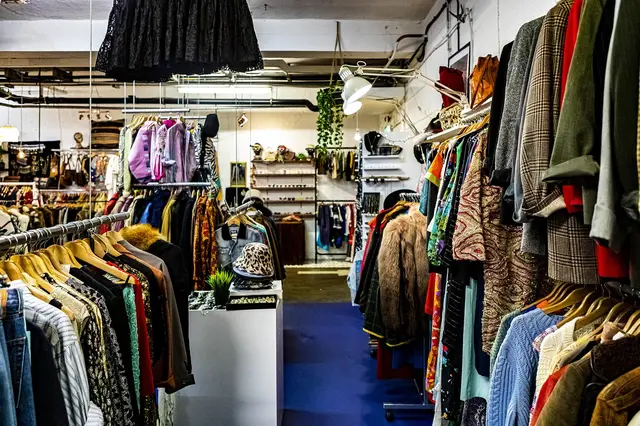
Vintage clothing storefront
Open a small shop with a curated vintage collection and build a loyal local following.
- $10k-50k
- Full-time
- Own premises
Local acrylic and plastics supply shop
Run a small unit stocking acrylic sheet, cut to size for local trades, sign makers and walk-in hobbyists.
- $10k-50k
- Full-time
- Own premises