Mobility equipment showroom
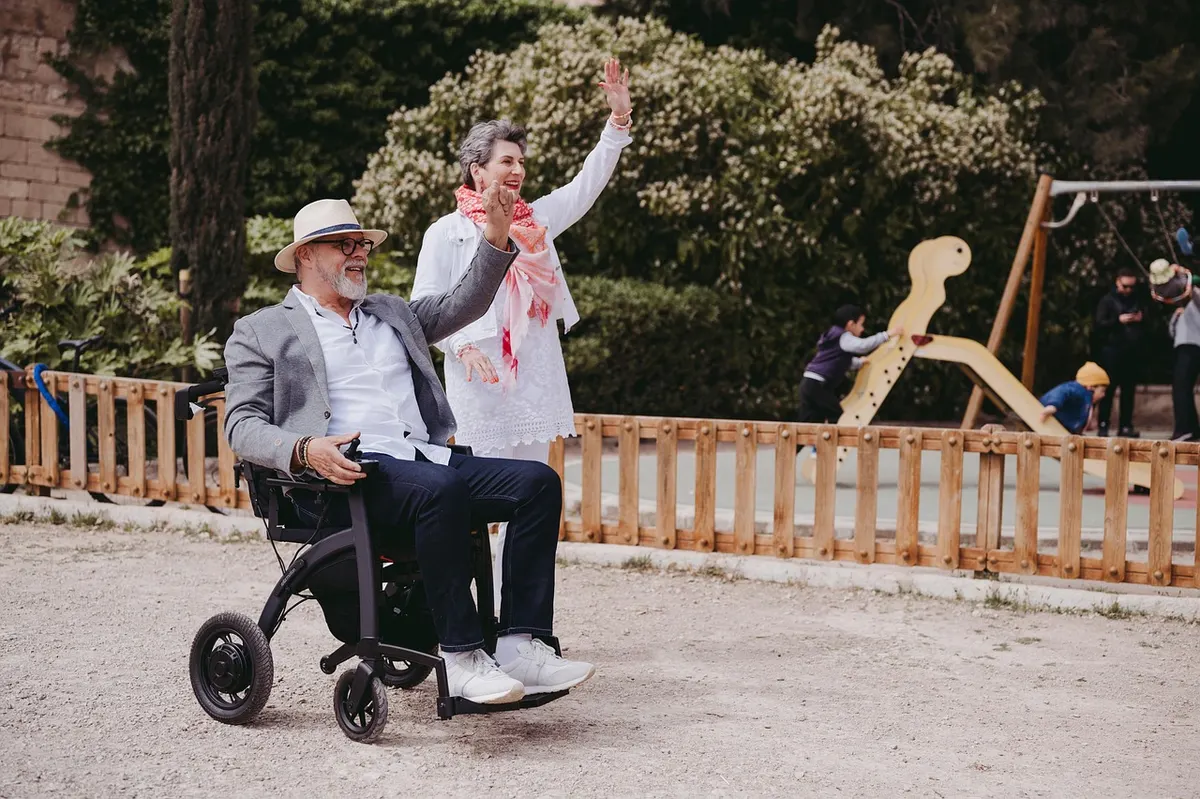
Open a small local shop where people can try, buy or rent mobility aids and get friendly, informed advice.
- $20k-80k
- Full-time
- Own premises
- Licence or permit needed
Estimates for a small start in the US, not guarantees.
Official data
10,170 US businesses with employees in this field, -1.8% in a year
NAICS 446199 “All other health and personal care stores”. Source: U.S. Census Bureau, County Business Patterns 2023.
What it is
A small storefront or unit with a showroom of mobility and daily living equipment, such as walkers, rollators, wheelchairs, scooters, bath aids and ramps. Customers can try products in person, buy, rent, or order items in. You may also offer delivery and basic setup.
Your first three steps
- Visit local therapists, senior centers and care homes to learn which products and services are hard to find nearby
- Get quotes from several suppliers and manufacturers, and price a lean opening range of stock
- Look at small retail units, check zoning, accessibility requirements and lease terms, and draft a simple budget
Who pays
Disabled people, older adults, family caregivers, and local care homes, home care agencies and therapists who refer clients.
How it makes money
Retail sales margin on products, rental fees, and charges for delivery, fitting and basic repairs. Referrals from therapists and care providers help build steady business.
Skills that help
- Patient, respectful customer service
- Product knowledge and willingness to keep learning
- Basic retail and inventory management
- Building relationships with local healthcare providers
Watch out for
- Check your state's licensing rules for home medical equipment suppliers and whether any apply to you
- Billing Medicare or insurers involves accreditation, bonding and strict paperwork; check requirements before deciding to offer it
- Your premises must be accessible to your customers; check ADA requirements with your city or landlord
- General liability, product liability and property insurance, plus workers' compensation once you hire
- Large upfront stock costs and slow-selling items
- Safe fitting and clear advice, since poorly chosen equipment can cause harm
Deep research report · US
Everything you need to start: mobility equipment showroom
Researched with live web search for United States: real startup prices, the licences and rules, what others charge, a break-even example, how to find your first customers and a 30-day launch plan. With sources.
- Startup costs with real prices
- Licences, registration and rules
- Pricing: what others charge
- Break-even example
- Finding your first customers
- 30-day launch plan
- Risks and how to reduce them
Questions people ask
How much does it cost to open a mobility equipment showroom?
Startup costs are typically around $20,000 to $80,000, depending on your premises, fit-out and how much stock you buy upfront. These are estimates, and large stock orders can push costs toward the higher end of the range.
How much can a mobility equipment showroom make?
Monthly revenue is typically around $5,000 to $25,000, depending on your location, product range, and whether you add rentals, delivery or referrals from local care providers. These are estimates, and revenue is before your costs.
What licenses and rules apply to a mobility equipment shop?
Check your state's licensing rules for home medical equipment suppliers and whether any apply to you. Billing Medicare or insurers involves accreditation, bonding and paperwork, so check requirements first. Also check ADA accessibility with your city or landlord.
Other ways to run this business

Online daily living aids store
Sell grab bars, reachers, walking aids and other daily living products online to disabled people and carers.
- $1k-6k
- Side hustle
- Online

Mobility equipment rental and delivery
Rent wheelchairs, knee scooters, walkers and portable ramps short-term, delivered to homes, hotels and care settings.
- $5k-25k
- Part-time
- Out and about
Similar health and wellness ideas

Mobile sauna and wellness sessions
Bring a sauna trailer to lakes, events and private yards and sell heat and cold wellness sessions.
- $20k-70k
- Side hustle
- Out and about

Small wellness studio with massage and sauna
Rent a small space and offer massage, infrared sauna sessions and relaxation treatments by appointment.
- $15k-60k
- Part-time
- Own premises
Your own acupuncture and herbal clinic
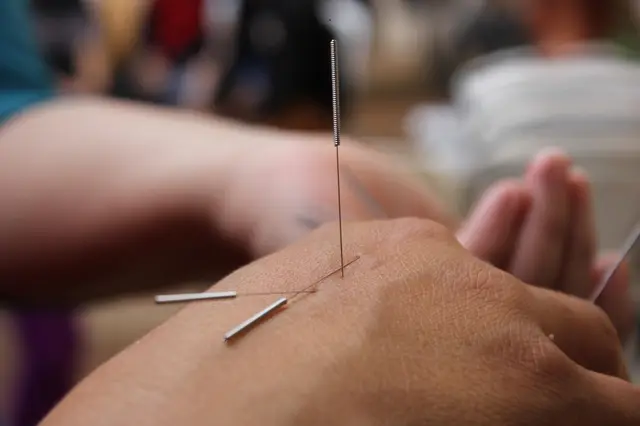
Open a small clinic with treatment rooms, an herbal dispensary and room to add practitioners.
- $15k-60k
- Full-time
- Own premises
Mobility aids showroom and rental shop
Open a small shop selling and renting wheelchairs, walkers and scooters to individuals and care providers.
- $25k-100k
- Full-time
- Own premises
Small massage spa with a few therapists
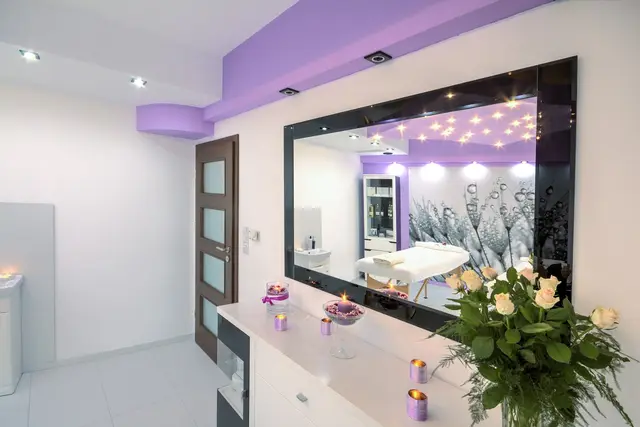
Lease a small space, fit out a few treatment rooms and build a team of licensed therapists.
- $25k-100k
- Full-time
- Own premises
Your own acupuncture clinic
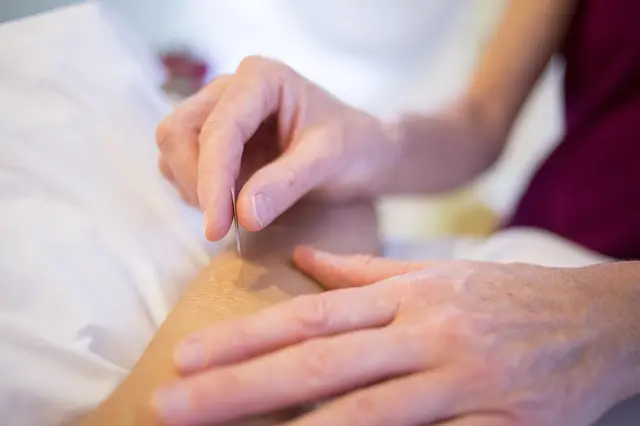
Lease a small office, build a steady client base, and grow into a full community acupuncture practice.
- $15k-60k
- Full-time
- Own premises
Photo: 42073831 on Pixabay