Leased orchard selling fruit at markets
Lease a small, already-producing orchard and sell apples or pears at farmers markets and to local shops.
- $5k-25k
- Part-time
- Own premises
Estimates for a small start in the US, not guarantees.
What it is
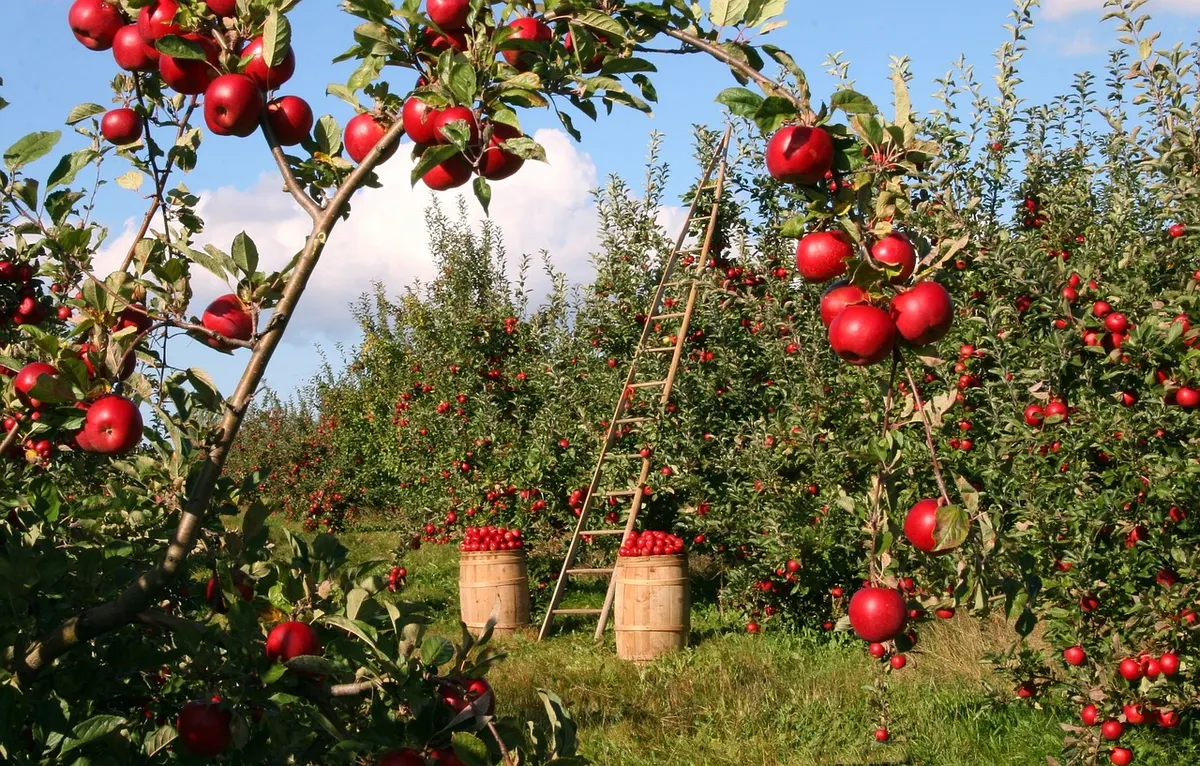
You lease or manage a small block of mature fruit trees, such as apples or pears. You prune, thin, spray as needed, pick and sell the fruit. Leasing trees that already bear fruit avoids the several years a new planting takes to produce.
Your first three steps
- Contact landowners, retiring growers and your county extension office about small orchards or tree blocks available to lease
- Take a local extension course on orchard care and pest management, and ask a nearby grower to let you shadow a season
- Apply for a spot at two or three farmers markets and price your fruit against other local sellers
Who pays
Farmers market shoppers, local grocery stores, restaurants, food co-ops and CSA boxes that want local fruit.
How it makes money
You sell fruit by the pound, pint, peck or box. Selling direct at markets earns more per pound than selling to wholesalers. Income comes mostly in the harvest season, so plan cash flow across the whole year.
Skills that help
- Pruning and basic tree care
- Physical fitness for ladder and harvest work
- Selling and talking to customers
- Planning around the seasons
Watch out for
- Lease terms: length, who owns the crop and what repairs you pay for
- General liability insurance and any product liability cover that markets or stores require
- Check your state's rules on pesticide use, which may require a license or training
- Check farmers market permit rules and whether your state requires scale registration or a farm registration
- Weather, frost and pests can cut a crop in a bad year
- Selling cider, jam or baked goods usually brings food permit rules, so check with your health department first
Deep research report · US
Everything you need to start: leased orchard selling at markets
Researched with live web search for United States: real startup prices, the licences and rules, what others charge, a break-even example, how to find your first customers and a 30-day launch plan. With sources.
- Startup costs with real prices
- Licences, registration and rules
- Pricing: what others charge
- Break-even example
- Finding your first customers
- 30-day launch plan
- Risks and how to reduce them
Questions people ask
How much does it cost to start a leased orchard business?
Startup costs are typically around $5,000 to $25,000, depending on your lease terms and equipment. Treat this as an estimate. Check the lease length, who owns the crop and what repairs you pay for, plus general liability insurance.
How much can a small leased orchard earn?
Monthly revenue is typically around $1,000 to $5,000, depending on your crop and where you sell. These are estimates. Weather, frost and pests can cut a crop in a bad year, so plan for variation.
What rules should I check before selling orchard fruit?
Check your state's rules on pesticide use, which may require a license or training. Also check farmers market permit rules, scale or farm registration, and speak to your health department before selling cider, jam or baked goods.
Other ways to run this business

Similar farming and garden ideas

Choose-and-cut Christmas tree farm
Plant a few acres of Christmas trees and sell them to families each December.
- $5k-25k
- Side hustle
- Own premises

Small-scale horse breeding (1-2 mares)
Breed one or two quality mares a year and sell the foals to riders who want a particular bloodline or discipline.
- $5k-25k
- Side hustle
- From home

Pick-your-own Christmas tree farm
Grow trees on spare acreage and invite families to pick and cut their own each December.
- $5k-25k
- Part-time
- Own premises

Small market vegetable farm
Grow vegetables on a few acres and sell at farmers markets and through weekly CSA boxes.
- $5k-25k
- Part-time
- Own premises
Feed and bedding delivery service
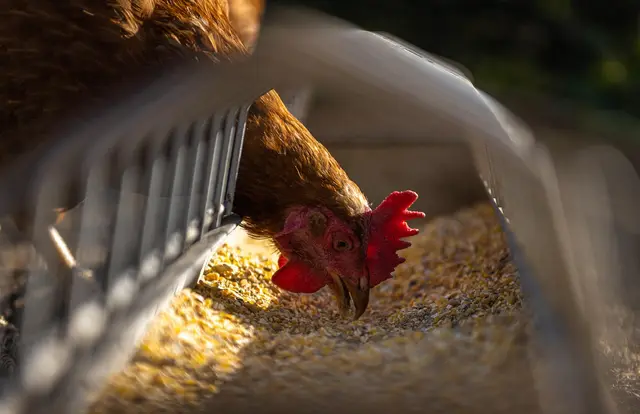
Deliver feed, hay and shavings to farms, stables and homes in your area, with no storefront.
- $5k-25k
- Part-time
- Out and about
Hydroponic supplies for small commercial growers
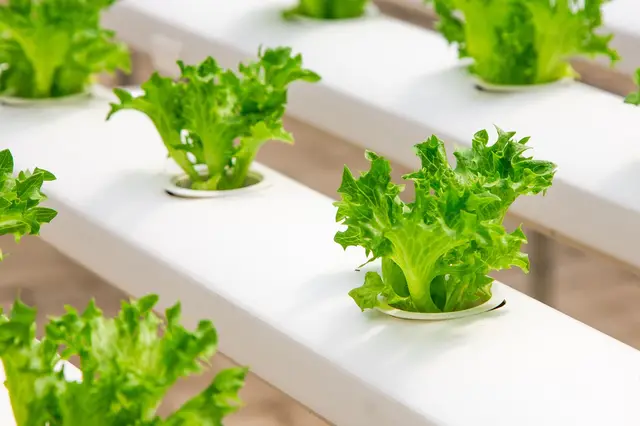
Supply systems, lights and nutrients to local farms and market growers, with delivery and setup advice.
- $5k-25k
- Part-time
- From home
Photo: lumix2004 on Pixabay