Sake label brewed at a shared facility
Make your own sake brand in rented space at an existing brewery or winery to keep startup costs lower.

- $20k-80k
- Part-time
- Own premises
- Licence or permit needed
Estimates for a small start in the US, not guarantees.
Official data
5,218 US businesses with employees in this field, +1.0% in a year
NAICS 312120 “Breweries”. Source: U.S. Census Bureau, County Business Patterns 2023.
What it is
You brew your own recipe on a host's licensed premises, using their tanks and space under a shared arrangement, and sell it under your own brand. This avoids buying a full facility up front.
Your first three steps
- Learn sake brewing through a course or an apprenticeship and perfect a small recipe
- Approach local breweries and wineries with spare capacity to ask whether they would host you, and ask how they structure it
- Ask the federal TTB and your state alcohol authority which permits you need for this setup, and design your label and pricing
Who pays
Restaurants, bars and bottle shops, plus buyers at markets, festivals and events where local rules allow.
How it makes money
Wholesale and direct sales of bottles, minus fees paid to the host for space and equipment use. Margins are thinner than owning your own brewery but the risk is lower.
Skills that help
- Sake brewing knowledge or willingness to train
- Branding and selling
- Planning batches and cash flow
- Working well with a host business
Watch out for
- Whether your arrangement is allowed, and which federal and state permits apply, since rules differ by state and setup
- Who holds liability and responsibility for taxes and reporting, which should be clear in a written agreement
- Label approval and alcohol labeling rules, so check what is needed before printing
- Product liability and general liability insurance
- Dependence on one host's schedule and goodwill
- Distribution rules in your state, which may require a licensed distributor
🔒 Full research report for US
Real cost breakdown with current prices, licences and registration checklist, local competition, pricing, break-even and a 30-day launch plan, with sources.
Coming soonQuestions people ask
How much does it cost to start a sake brand at a shared facility?
Startup costs are typically estimated at around $20,000 to $80,000, depending on your batch size and your arrangement with the host. This is lower than a full facility because you use a host's licensed space.
What rules should I check before brewing sake at a host brewery?
Check whether your arrangement is allowed and which federal and state permits apply, since rules differ by state and setup. Confirm label approval requirements before printing, and put responsibility for taxes and reporting in a written agreement.
How much can a shared-facility sake label earn?
Monthly revenue is typically estimated at around $3,000 to $15,000, depending on how much you brew and how much you sell to bars, shops and events. Plan on at least roughly 20 hours a week.
Other ways to run this business
Similar food ideas
Boutique wine importer
Bring in wines from small foreign producers and sell them through distributors or direct to trade accounts.
- $20k-80k
- Part-time
- From home

Purified water refill depot with delivery
Run a small depot that purifies and refills jugs, selling walk-in and delivering to regular customers.
- $20k-80k
- Full-time
- Own premises
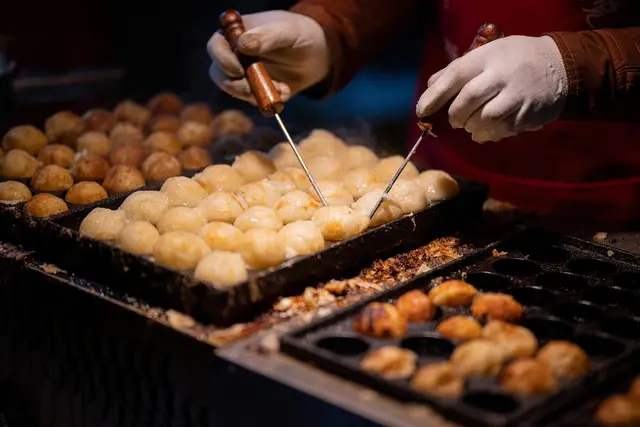
Takoyaki food cart or trailer
Run a small licensed cart or trailer selling takoyaki on busy streets, at breweries and at events.
- $25k-80k
- Part-time
- Out and about
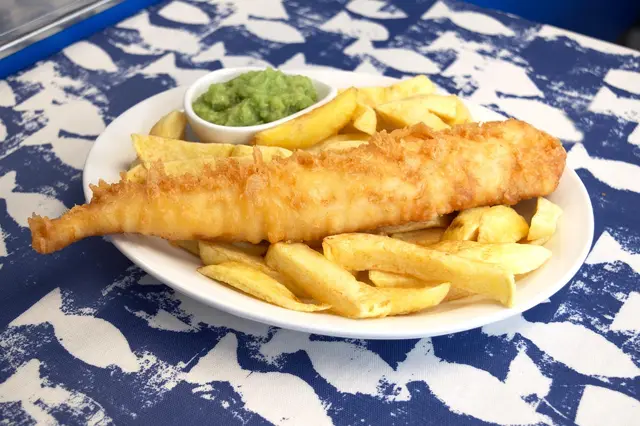
Fish and chips food trailer
Serve fresh fried fish and chips from a small trailer at markets, breweries and events.
- $20k-80k
- Part-time
- Out and about
Japanese candy and snack shop
Open a small store selling affordable Japanese candy, snacks and drinks to locals, students and visiting tourists.
- $25k-80k
- Full-time
- Own premises
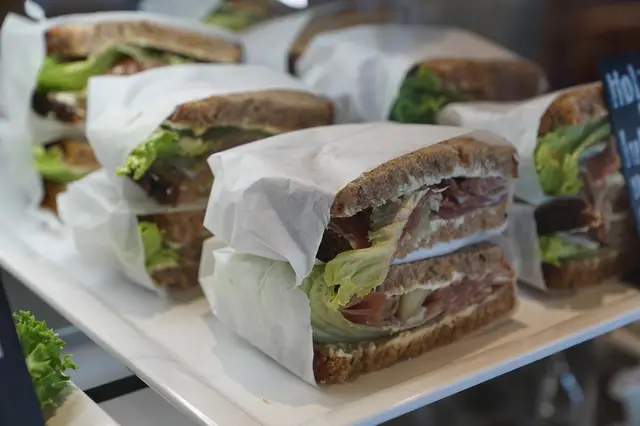
Neighborhood snack bar counter
Run a small counter selling quick snacks and light meals to people nearby, to eat in or take away.
- $15k-75k
- Full-time
- Own premises