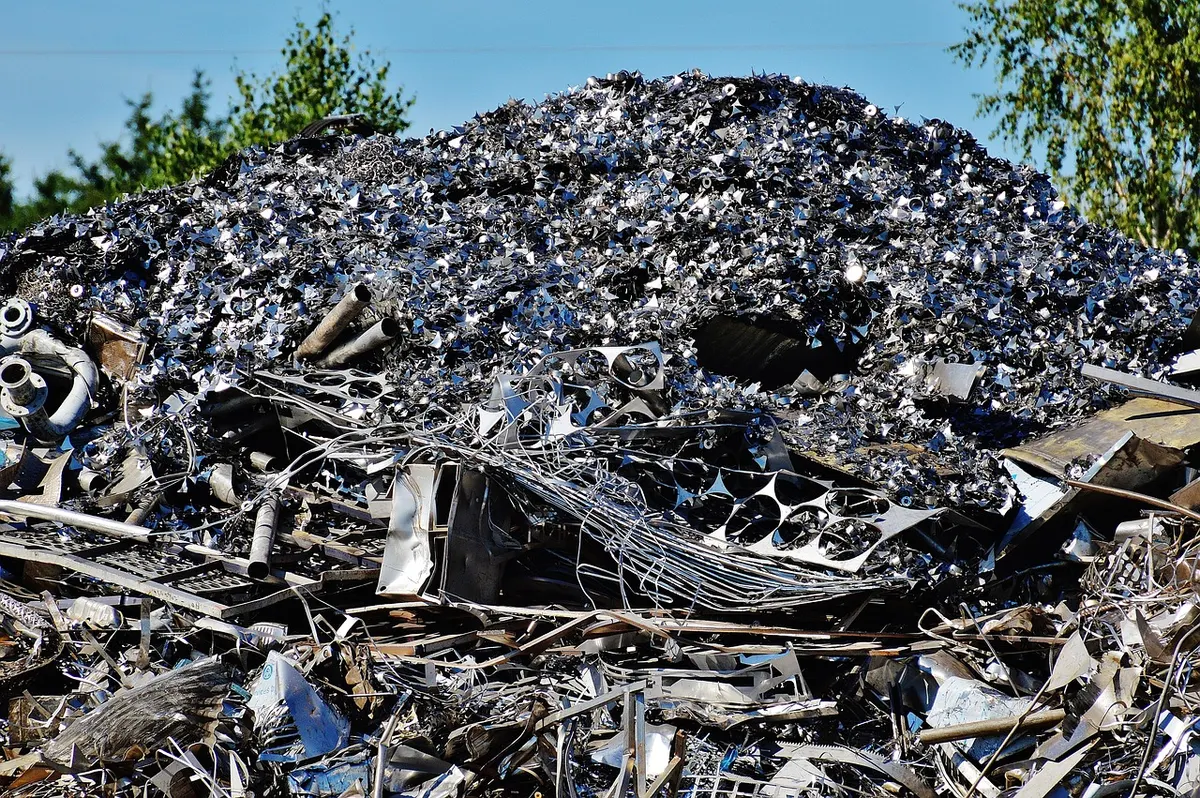
Small scrap buying yard
Run a small yard or unit where people bring scrap to sell, and you sort it and resell in bulk.
- $15k-75k
- Full-time
- Own premises
- Licence or permit needed
Estimates for a small start in the US, not guarantees.
Official data
7,744 US businesses with employees in this field, -0.2% in a year
NAICS 423930 “Recyclable material merchant wholesalers”. Source: U.S. Census Bureau, County Business Patterns 2023.
What it is
A small site with a scale, storage bins and a drop-off area. Walk-in sellers bring metal and second-hand goods. You weigh, pay, sort and sell in larger loads to mills or bigger recyclers.
Your first three steps
- Check zoning, your state's scrap dealer rules and any environmental permits before leasing a site
- Get quotes for a certified scale, bins, basic equipment and insurance, and line up two or more buyers for bulk loads
- Set up a seller ID and record system, then spread the word to contractors, landlords and local collectors
Who pays
Bigger recyclers and mills buy your sorted material. Your walk-in sellers are your suppliers: homeowners, contractors, handymen and part-time collectors.
How it makes money
You pay sellers a set price per pound and sell in bulk at a higher price. Sorting well and selling in full loads improves your margin.
Skills that help
- Grading and pricing metals
- Running a scale and cash handling
- Bookkeeping and compliance records
- Managing a safe yard
Watch out for
- Zoning, business license and state or local scrap dealer licensing, which vary widely, so check with your city or county
- Stormwater and environmental rules for yards, so check with your state environmental agency
- Required records of sellers, payment limits (some places restrict cash) and holding periods, so check local law
- Theft and stolen goods risk, so keep ID checks and records strict
- Workers' compensation insurance once you hire, plus fire and injury risks
- Commodity prices can drop quickly and leave stock worth less
Deep research report · US
Everything you need to start: small scrap buying yard
Researched with live web search for United States: real startup prices, the licences and rules, what others charge, a break-even example, how to find your first customers and a 30-day launch plan. With sources.
- Startup costs with real prices
- Licences, registration and rules
- Pricing: what others charge
- Break-even example
- Finding your first customers
- 30-day launch plan
- Risks and how to reduce them
Questions people ask
How much does it cost to open a scrap buying yard?
Startup costs are typically around $15,000 to $75,000, depending on the site, scale, storage bins and insurance. This is an estimate, so get local quotes for your lease and equipment before committing.
How much can a small scrap yard earn?
Monthly revenue is typically around $5,000 to $25,000, depending on volume and commodity prices. It is an estimate, and prices can drop quickly and leave stock worth less. Plan on at least 30 hours a week.
What licenses and rules apply to a scrap yard?
Check zoning, your business license and state or local scrap dealer licensing, which vary widely. Also check stormwater and environmental rules, seller record requirements, payment limits and holding periods with your city, county and state.
Other ways to run this business
Similar retail ideas
Independent stationery shop
Open a small neighborhood shop selling paper goods, pens, planners, cards and gifts.
- $15k-75k
- Full-time
- Own premises
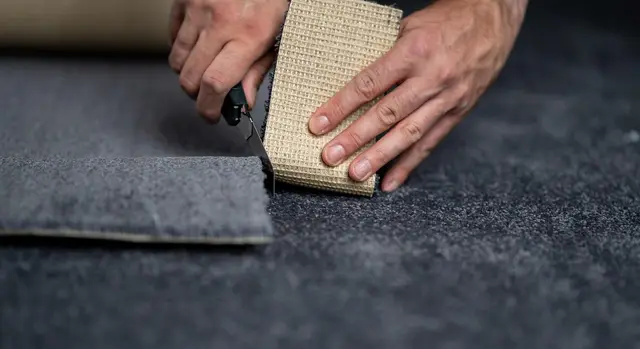
Carpet and flooring showroom
Open a small local shop selling carpet, rugs and floor coverings, with installation arranged through trusted fitters.
- $15k-75k
- Full-time
- Own premises
Independent homeware boutique
Open a small shop selling curated decor, kitchenware and household goods to your local neighborhood.
- $15k-75k
- Full-time
- Own premises
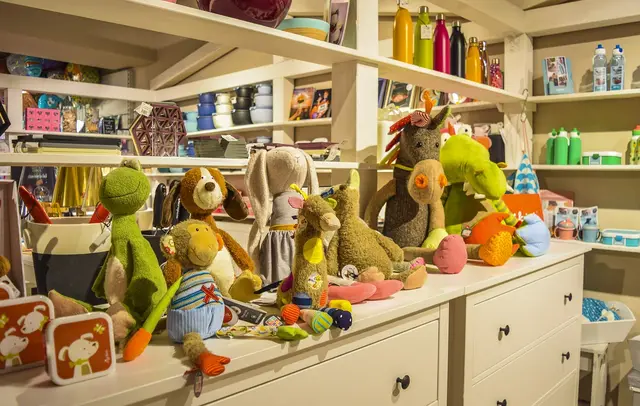
Children's clothing and toy shop
Open a small neighborhood store selling kids' clothes, toys and everyday items to local parents.
- $15k-75k
- Full-time
- Own premises

Handmade wood furniture showroom
Open a small showroom of solid wood furniture from local craftspeople, with custom orders.
- $15k-75k
- Full-time
- Own premises
Audio, lighting and projector rental shop
Open a small unit renting pro audio, lighting and projectors to event planners, venues and businesses.
- $15k-75k
- Full-time
- Own premises
Photo: Alexas_Fotos on Pixabay