Start a local seafood supplier to restaurants
Buy fresh and frozen fish from docks and distributors, then deliver to local restaurants and caterers.
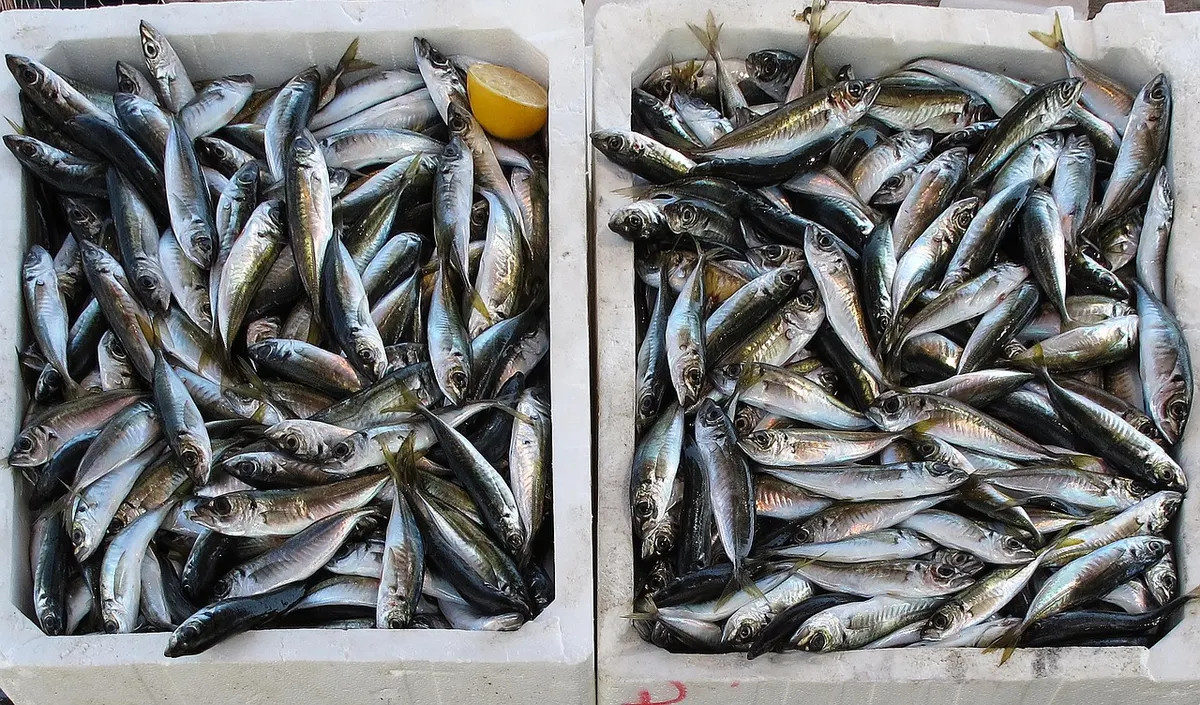
- $40k-120k
- Full-time
- Out and about
- Licence or permit needed
Estimates for a small start in the US, not guarantees.
Official data
2,008 US businesses with employees in this field, +2.2% in a year
NAICS 424460 “Fish and seafood merchant wholesalers”. Source: U.S. Census Bureau, County Business Patterns 2023.
What it is
You buy fish and shellfish from boats, docks, processors or larger distributors, then sell and deliver it in a refrigerated van or truck to restaurants, caterers and small shops in your area. You rent cold storage or a licensed small facility rather than building your own plant.
Your first three steps
- Contact your state or local health department and ask what licenses and facility rules apply to seafood wholesalers
- Visit nearby docks, processors and distributors to compare prices and ask about minimum orders for new buyers
- Offer samples and a simple price list to ten local chefs and ask for a trial order
Who pays
Independent restaurants, caterers, small grocers, delis and fish markets that want a reliable local supplier with flexible order sizes.
How it makes money
You earn the margin between what you pay suppliers and your wholesale price per pound, plus delivery fees on small orders. Regular weekly orders from a handful of restaurants build steady income.
Skills that help
- Knowing fish species, freshness and grading
- Building relationships with chefs and suppliers
- Handling cold chain and food safety carefully
- Early mornings and reliable delivery
Watch out for
- Check with the FDA and your state regulator whether your activities (for example storing, holding, repacking or labelling fish) make you a seafood processor under the FDA Seafood HACCP rule. If so, you will need a written HACCP plan and a trained person, and your facility may need to be registered with the FDA
- Check what food wholesale license or permit your state agriculture or health department requires, plus any city or county business license
- Refrigerated vehicle and cold storage that meet local food safety rules, including FDA sanitary transportation requirements; a refrigerated van is often the largest single cost, so compare used and new options
- General liability and product liability insurance, plus commercial auto cover
- Spoilage risk and thin margins, so buy to match confirmed orders
- Late payment risk from restaurants, so set clear payment terms
Deep research report · US
Everything you need to start: local seafood supplier to restaurants
Researched with live web search for United States: real startup prices, the licences and rules, what others charge, a break-even example, how to find your first customers and a 30-day launch plan. With sources.
- Startup costs with real prices
- Licences, registration and rules
- Pricing: what others charge
- Break-even example
- Finding your first customers
- 30-day launch plan
- Risks and how to reduce them
Questions people ask
How much does it cost to start a seafood supply business?
Estimates put startup costs at typically around $40,000 to $120,000, depending on your vehicle, cold storage and insurance. A refrigerated van is often the largest single cost, so compare used and new options.
How much can a local seafood supplier earn?
Estimated monthly revenue is typically around $8,000 to $40,000, depending on how many restaurants and caterers you supply. Spoilage and thin margins are risks, so buy to match confirmed orders and set clear payment terms.
What rules apply to selling seafood wholesale?
Check with the FDA and your state regulator whether storing, repacking or labelling fish makes you a seafood processor under the FDA Seafood HACCP rule. Also check your state wholesale license or permit, local business license and refrigerated transport rules.
Other ways to run this business
Similar food ideas

Local ice maker and bagging operation
Make, bag and deliver your own ice from a small rented unit for bars, caterers and event organizers.
- $30k-120k
- Full-time
- Own premises

Neighborhood frozen food shop
Open a small shop selling frozen meals, ingredients and desserts to households in your area.
- $30k-120k
- Full-time
- Own premises

Neighborhood teahouse with seating
Open a calm small teahouse serving loose-leaf tea and light snacks to people who want a quiet place to sit.
- $25k-120k
- Full-time
- Own premises
Neighborhood pie shop
Open a small storefront selling fresh sweet and savory pies by the slice, the whole pie and for events.
- $25k-120k
- Full-time
- Own premises
Rice cake shop with a small storefront
Open a small shop selling fresh tteok, mochi and other rice cakes to shoppers who want traditional Asian treats.
- $30k-120k
- Full-time
- Own premises
Pretzel shop in a storefront or kiosk
Bake and sell fresh pretzels to passing foot traffic from a small shop or mall kiosk.
- $25k-120k
- Full-time
- Own premises
Photo: anaterate on Pixabay