Second-hand shop with a storefront
Open a small neighborhood store selling used clothing, furniture or housewares.

- $8k-40k
- Full-time
- Own premises
- Licence or permit needed
Estimates for a small start in the US, not guarantees.
What it is
A small retail space where you sell used goods bought from the public, found at estate sales or taken on consignment. You can specialize in clothing, furniture, books, kids' items or vintage.
Your first three steps
- Visit similar shops in your area, note what they stock and price, and pick a niche that is not crowded
- Look at small retail spaces and ask about lease terms, zoning and what the landlord requires
- Line up your first stock through estate sales, buy-from-the-public days or a consignment agreement, and start posting about the opening on social media
Who pays
Local shoppers looking for affordable goods, decorators, students, young families and vintage fans.
How it makes money
You sell items for more than you paid, or keep a share of the sale price on consignment items. Foot traffic and good stock rotation matter most.
Skills that help
- Pricing used goods fairly
- Sourcing steady stock
- Merchandising and customer service
Watch out for
- Check with your city or county about a business license and zoning for retail use
- Register for sales tax with your state, and check whether you need a resale or seller's permit
- Some states and cities require secondhand dealer or pawn-style licenses and record keeping when you buy from the public, so check locally
- General liability insurance and lease terms, since rent is a fixed cost whether or not sales are slow
- Resale rules for items such as mattresses, upholstered furniture and children's products vary by state, so check before stocking
🔒 Full research report for US
Real cost breakdown with current prices, licences and registration checklist, local competition, pricing, break-even and a 30-day launch plan, with sources.
Coming soonQuestions people ask
How much does it cost to start a second-hand shop?
Startup costs are typically around $8,000 to $40,000, depending on your lease, stock and fit-out. These are estimates. Rent is a fixed cost whether or not sales are slow, so check lease terms carefully.
How much can a second-hand store earn?
Monthly revenue is typically estimated at around $3,000 to $15,000, depending on your location, stock and pricing. Running a storefront is usually close to full-time, at around 35 hours a week.
What licenses and rules apply to a second-hand shop in the US?
Check with your city or county about a business license and retail zoning, and register for sales tax with your state. Some places require secondhand dealer licenses, and rules for mattresses, upholstered furniture and children's products vary by state.
Other ways to run this business
Similar retail ideas
Local dental supplier with delivery
Supply nearby practices and labs with stocked essentials, fast delivery and a personal account rep.
- $8k-40k
- Part-time
- Out and about
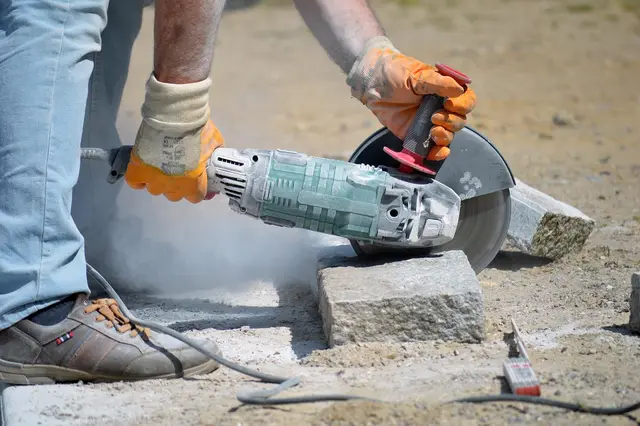
Job-site tool and supply delivery
Sell and deliver power tools, blades, fasteners and rentals straight to contractors on their job sites.
- $8k-40k
- Part-time
- Out and about

Dried and preserved flower shop
Open a small storefront selling dried flowers, arrangements and gifts, with workshops on the side.
- $8k-40k
- Full-time
- Own premises
Neighborhood newsstand kiosk
Run a small kiosk selling papers, magazines, snacks and travel items to commuters and passers-by.
- $8k-40k
- Full-time
- Own premises
Local office and school supply wholesaler
Stock a small warehouse and deliver supplies to schools, offices and shops in your area.
- $8k-40k
- Part-time
- Own premises
Niche bike parts and accessories distributor
Supply independent bike shops with a focused range of parts or accessories from your garage or spare room.
- $8k-40k
- Side hustle
- From home