Small food wholesale warehouse
Run a rented warehouse unit that stocks a wider range of foods and supplies local restaurants and shops.

- $15k-70k
- Full-time
- Own premises
- Licence or permit needed
Estimates for a small start in the US, not guarantees.
Official data
3,383 US businesses with employees in this field, +2.8% in a year
NAICS 424410 “General line grocery merchant wholesalers”. Source: U.S. Census Bureau, County Business Patterns 2023.
What it is
A full-time wholesale operation from a small leased unit. You hold a broader range of dry, chilled or frozen products, take orders by phone, text or online, and deliver on set routes. You may also offer pickup for local businesses.
Your first three steps
- Write a simple plan covering your product range, target customers and delivery area, and talk to a few suppliers and prospective buyers
- Contact your state agriculture or health department and your city or county about permits, zoning and inspection for a food warehouse
- Price out a unit, shelving, any refrigeration and a delivery vehicle, then get quotes for insurance before you sign a lease
Who pays
Restaurants, cafés, caterers, convenience stores, small grocers and institutions like schools or care homes that buy regularly.
How it makes money
You earn the margin between bulk buying prices and your wholesale prices, plus delivery fees on small orders. Income grows as you add customers and product lines.
Skills that help
- Sales and account management
- Inventory control and ordering
- Food safety knowledge
- Managing cash flow and supplier credit
Watch out for
- Check state and local licensing for food wholesalers and warehouses, and whether FDA food facility registration applies
- Chilled and frozen foods need reliable temperature control and records, so check inspection requirements
- Commercial lease terms, zoning, general and product liability insurance, commercial auto and workers' compensation once you hire
- Large customers may pay slowly while suppliers want payment quickly, so keep cash in reserve
- Spoilage and unsold stock can eat into thin margins
Deep research report · US
Everything you need to start: small food wholesale warehouse
Researched with live web search for United States: real startup prices, the licences and rules, what others charge, a break-even example, how to find your first customers and a 30-day launch plan. With sources.
- Startup costs with real prices
- Licences, registration and rules
- Pricing: what others charge
- Break-even example
- Finding your first customers
- 30-day launch plan
- Risks and how to reduce them
Questions people ask
How much does it cost to start a small food wholesale warehouse?
Startup costs are typically around $15,000 to $70,000, depending on the unit lease, opening stock, temperature-controlled storage and delivery vehicles. These are estimates, so get quotes before you commit to a lease.
How much can a small food wholesaler make?
Monthly revenue is typically around $10,000 to $50,000, depending on your customer base, product range and delivery routes. Margins can be thin, and spoilage or unsold stock can eat into them.
What licenses and inspections apply to food wholesaling?
Check state and local licensing for food wholesalers and warehouses, and whether FDA food facility registration applies. Chilled and frozen foods need temperature control and records, so check inspection requirements. Also review lease terms, zoning and insurance.
Other ways to run this business
Similar food ideas
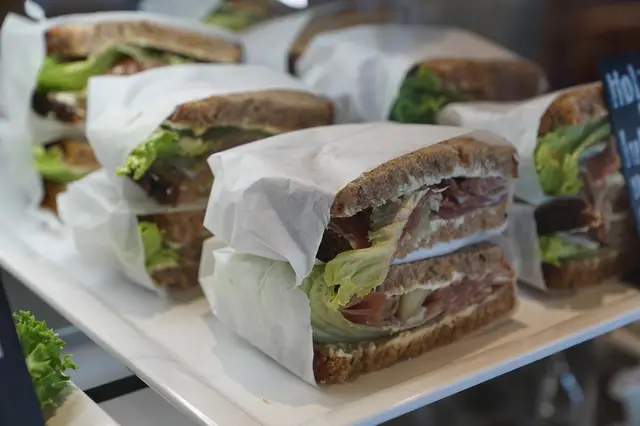
Neighborhood snack bar counter
Run a small counter selling quick snacks and light meals to people nearby, to eat in or take away.
- $15k-75k
- Full-time
- Own premises
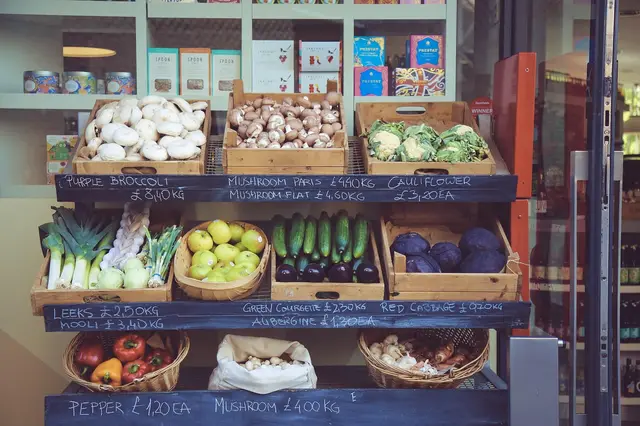
Neighborhood produce shop
Open a small store selling fresh fruit, vegetables and local goods to people in your neighborhood.
- $15k-75k
- Full-time
- Own premises

Fixed coffee kiosk or drive-up stand
Run a small coffee kiosk at a busy spot and build a base of daily regulars.
- $15k-75k
- Full-time
- Own premises
Rice and grain wholesale warehouse
Rent a small unit, stock bulk rice and grains, and supply grocers, restaurants and caterers.
- $15k-75k
- Full-time
- Own premises

Lean craft drinks distributor using shared storage
Start with a few brands, a licensed third-party warehouse and your own sales calls, keeping costs lower than a full warehouse.
- $15k-75k
- Part-time
- Out and about
Food truck or trailer business
Serve a focused menu from a truck or trailer at events, business parks and busy public spots.
- $15k-75k
- Part-time
- Out and about