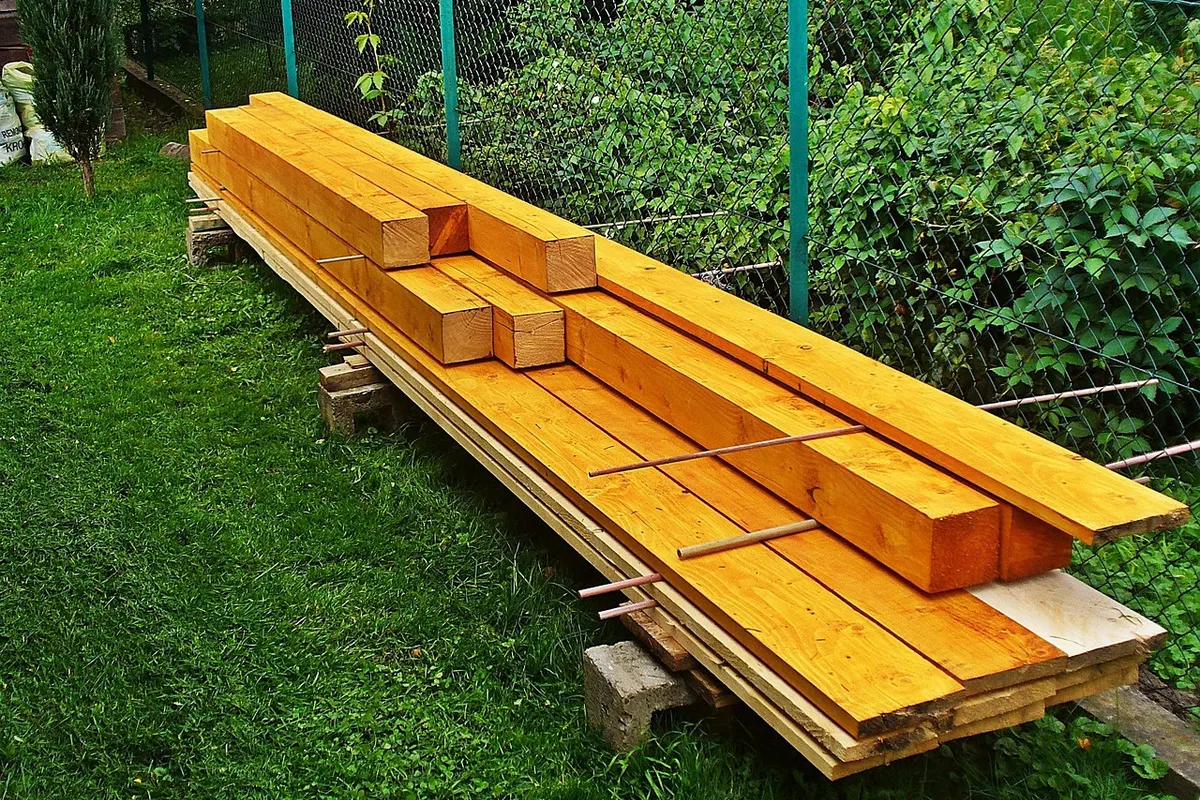
Specialty hardwood lumber yard
Stock and sell quality hardwood boards and slabs to woodworkers and builders from a small warehouse or yard.
- $15k-70k
- Full-time
- Own premises
Estimates for a small start in the US, not guarantees.
Official data
7,048 US businesses with employees in this field, +0.8% in a year
NAICS 423310 “Lumber, plywood, millwork, and wood panel merchant wholesalers”. Source: U.S. Census Bureau, County Business Patterns 2023.
What it is
A small lumber dealer working from a rented warehouse, shop unit or yard. You buy rough or surfaced hardwoods and specialty boards from sawmills and wholesalers, store them, and sell by the board foot. You can add cutting, planing or delivery.
Your first three steps
- Visit local woodworkers and cabinet shops and ask what they buy, where they buy it and what they can't easily find
- Contact two or three regional sawmills or wholesalers for price lists and minimum orders, and price out a small starting stock
- Look at rental warehouse or yard space with loading access, and check zoning with your city or county before signing
Who pays
Hobby woodworkers, furniture makers, cabinet shops, small contractors and craft businesses in your area.
How it makes money
You mark up wood bought wholesale and sell by the board foot or by the piece. Extra income comes from milling, cut-to-size services and local delivery fees.
Skills that help
- Knowing wood species, grades and moisture
- Inventory and cash flow management
- Customer service and sales
- Safe handling of heavy materials
Watch out for
- Zoning and local business license rules for a retail or storage site, check with your city or county
- General liability and property insurance, including cover for stock and fire risk
- Register for sales tax with your state and ask about a resale certificate for buying stock
- Forklift and equipment safety, check OSHA training rules, and workers' compensation once you hire
- Wood tied up in stock can hurt cash flow, and moisture and storage problems can ruin boards
- Some states restrict moving certain untreated wood across state lines because of pests, check your state agriculture department
Deep research report · US
Everything you need to start: specialty hardwood lumber yard
Researched with live web search for United States: real startup prices, the licences and rules, what others charge, a break-even example, how to find your first customers and a 30-day launch plan. With sources.
- Startup costs with real prices
- Licences, registration and rules
- Pricing: what others charge
- Break-even example
- Finding your first customers
- 30-day launch plan
- Risks and how to reduce them
Questions people ask
How much does it cost to start a hardwood lumber yard?
Startup costs are typically around $15,000 to $70,000, depending on your site, the stock you buy and any equipment. These are estimates, and stock can tie up cash, so plan your buying carefully.
How much can a small lumber yard earn?
Monthly revenue is typically around $5,000 to $25,000, depending on your stock, location and customer base. Estimates assume at least about 30 hours a week. Revenue is not profit, so budget for stock and premises costs.
What rules should you check before opening a lumber yard?
Check zoning and local business license rules for a retail or storage site with your city or county. Register for sales tax with your state and ask about a resale certificate. Also check insurance for stock and fire risk, OSHA equipment training, and state limits on moving untreated wood.
Other ways to run this business
Similar retail ideas

Neighborhood record store
Open a small shop selling new and used vinyl, with a local community of regulars.
- $15k-70k
- Full-time
- Own premises

Bedding boutique with a small storefront
Open a small shop selling quality sheets, duvets and pillows, plus supply to local hotels and rentals.
- $15k-70k
- Full-time
- Own premises

Window treatment showroom
Open a small shop with blind, shade and shutter samples, plus measuring and fitting for local customers.
- $15k-70k
- Full-time
- Own premises

Neighborhood herb and tea shop
Open a small store selling bulk herbs, teas and natural products to a loyal local customer base.
- $15k-70k
- Full-time
- Own premises
Online wine shop with local delivery
Sell curated wine through a website and deliver locally, with no storefront and lower overheads than a shop.
- $15k-70k
- Part-time
- Online
Asian homeware and gift shop
Open a small storefront selling imported Asian homeware, snacks, ornaments and gifts to locals and visitors.
- $15k-70k
- Full-time
- Own premises
Photo: krzys16 on Pixabay