Solo climbing arborist (pruning and small removals)
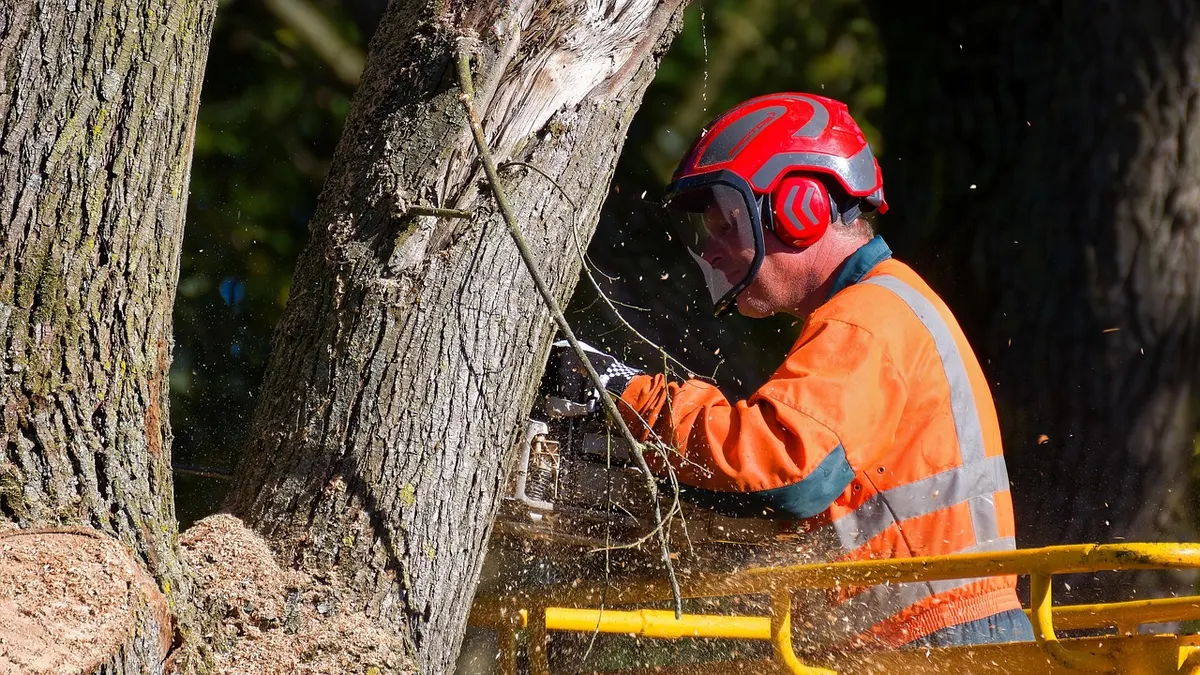
Prune and take down residential trees by rope and saw, with a pickup, a trailer and a small kit.
- $4k-20k
- Part-time
- Out and about
- Licence or permit needed
Estimates for a small start in the US, not guarantees.
Official data
117,969 US businesses with employees in this field, +0.7% in a year
NAICS 561730 “Landscaping services”. Source: U.S. Census Bureau, County Business Patterns 2023.
What it is
Hands-on tree care for homeowners: crown pruning, deadwood removal, storm cleanup and removing smaller trees in tight backyards. You climb with ropes and handle most jobs with chainsaws, hand tools and a rented or small chipper.
Your first three steps
- Take a climbing and chainsaw safety course and consider studying for the ISA Certified Arborist exam
- Price out climbing gear, chainsaws, PPE and a trailer, then get quotes for general liability and workers' comp insurance
- Form an LLC, check your city or county for contractor or tree service licensing, and offer your first jobs to neighbors with before and after photos
Who pays
Homeowners, landlords, small property managers and HOAs with trees close to houses, fences or power lines.
How it makes money
Fixed quote per job after a site visit, usually priced by size, risk and difficulty. Repeat pruning work and referrals from neighbors build steady income over time.
Skills that help
- Rope climbing and rigging
- Chainsaw handling
- Knowing tree species and health
- Quoting and customer service
Watch out for
- Tree work is among the most dangerous trades: get proper training and never skip PPE
- General liability insurance is essential, and check workers' compensation rules for yourself and any helper
- Check whether your state or city requires a tree trimmer, arborist or contractor license
- Work near power lines usually needs specially qualified line-clearance crews; check utility and OSHA rules
- Check local permits for removing protected or large trees
Deep research report · US
Everything you need to start: solo climbing arborist (pruning and small removals)
Researched with live web search for United States: real startup prices, the licences and rules, what others charge, a break-even example, how to find your first customers and a 30-day launch plan. With sources.
- Startup costs with real prices
- Licences, registration and rules
- Pricing: what others charge
- Break-even example
- Finding your first customers
- 30-day launch plan
- Risks and how to reduce them
Questions people ask
How much does it cost to start as a climbing arborist?
Startup costs are typically around $4,000 to $20,000, depending on your climbing gear, saws, protective equipment, vehicle and trailer, and whether you rent or buy a chipper. Treat this as an estimate and price your own kit list.
How much can a solo arborist earn?
Monthly revenue is typically around $2,000 to $10,000, depending on how many jobs you take, the size of the work and your local rates. The estimate assumes at least about 15 hours a week. These are estimates, not guarantees.
What rules and risks should I check before starting tree work?
Check for proper training and PPE, general liability insurance, and workers' compensation rules for you and any helper. Look at whether your state or city requires a tree trimmer, arborist or contractor license, plus utility, OSHA and local tree-removal permit rules near power lines.
Other ways to run this business
Similar trades ideas
Custom millwork from a home workshop
Build custom trim, moldings and interior doors to order from a garage or backyard shop.
- $4k-20k
- Side hustle
- From home
Parking lot striping service
Repaint parking stalls, arrows and fire lanes for property managers, shops and churches in your area.
- $4k-20k
- Part-time
- Out and about

Brick and stone repair specialist
Fix chimneys, steps, walls and brickwork for homeowners, working solo from your truck.
- $4k-20k
- Part-time
- Out and about
Mobile glass and mirror repair
Drive to homes and small buildings to measure, replace and install glass panes, mirrors and tabletops.
- $4k-20k
- Part-time
- Out and about
Local air filter supplier to businesses and fleets
Deliver replacement filters to local garages, HVAC companies, offices and fleets on a regular schedule.
- $4k-20k
- Part-time
- Out and about

Marina hull cleaning and underwater boat service
Dive to clean hulls, change props and zincs, and clear lines for boat owners and marinas in your area.
- $4k-20k
- Side hustle
- Out and about
Photo: 4379051 on Pixabay