Used clothing bale exporter
Collect, sort and bale secondhand clothing in a small unit, then sell containers to overseas buyers.

- $8k-40k
- Full-time
- Own premises
Estimates for a small start in the US, not guarantees.
Official data
6,367 US businesses with employees in this field, -1.8% in a year
NAICS 424330 “Women's, children's, and infants' clothing and accessories merchant wholesalers”. Source: U.S. Census Bureau, County Business Patterns 2023.
What it is
You buy secondhand clothing in bulk from thrift operations, textile recyclers or donation-based sources, sort it by type and grade, press it into bales, and ship containers to overseas wholesalers.
Your first three steps
- Line up a reliable supply source and price out a small unit, a baler and a sorting setup
- Get an EIN, form an LLC if you want one, and check zoning and business license rules with your city or county
- Contact freight forwarders and a few overseas buyers, then ship a trial container or part load
Who pays
Overseas wholesalers and importers who resell secondhand clothing in local markets.
How it makes money
You sell graded bales or full containers at a higher price than your buying and sorting costs. Better grading and consistent quality earn repeat orders.
Skills that help
- Judging clothing quality and grading
- Physical, hands-on work
- Managing inventory and shipments
- Building long-term buyer relationships
Watch out for
- Some countries restrict or ban used clothing imports, check each destination's rules before selling
- Export filing, customs documentation and any fumigation or inspection requirements, ask your forwarder
- Zoning, fire safety and insurance for a warehouse with stored textiles, check with your county and insurer
- Workers' compensation insurance once you hire sorters
- Price swings and payment risk with new overseas buyers
- Heavy lifting and baler safety, get proper training
Deep research report · US
Everything you need to start: used clothing bale exporter
Researched with live web search for United States: real startup prices, the licences and rules, what others charge, a break-even example, how to find your first customers and a 30-day launch plan. With sources.
- Startup costs with real prices
- Licences, registration and rules
- Pricing: what others charge
- Break-even example
- Finding your first customers
- 30-day launch plan
- Risks and how to reduce them
Questions people ask
How much does it cost to start a used clothing export business?
Startup costs are typically around $8,000 to $40,000, depending on your unit, baling equipment, and how much clothing stock you buy. Treat this as an estimate and price out your own setup first.
How much can a used clothing bale exporter earn?
Monthly revenue is typically around $5,000 to $25,000, depending on how much you sort and ship and the prices buyers pay. Time needed starts at around 25 hours a week. Prices can swing.
What rules should I check before exporting used clothing?
Some countries restrict or ban used clothing imports, so check each destination's rules. Also check export filing, customs documents, and any fumigation or inspection needs with your forwarder, plus zoning, fire safety, and insurance.
Other ways to run this business
Similar making and manufacturing ideas

Custom gasket cutting shop
Cut custom and replacement gaskets from sheet material for local plants, repair shops and machine builders.
- $8k-40k
- Part-time
- Own premises
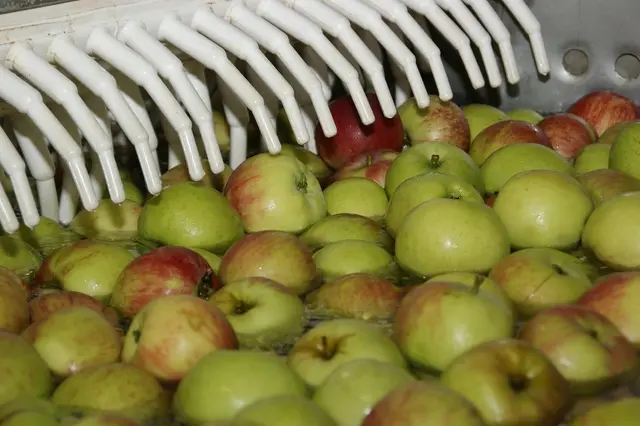
Food machinery dealer and repair service
Sell machines for a few brands and service them at local food businesses.
- $8k-40k
- Part-time
- Out and about

Watch and clock repair shop
Open a small storefront or kiosk that repairs watches and clocks and handles batteries and straps.
- $8k-40k
- Full-time
- Own premises

Local plastic sheeting supplier with delivery
Stock poly rolls in a small unit and supply builders and farms nearby, with cut-to-length and delivery.
- $8k-40k
- Full-time
- Own premises
Trophy, plaque and awards engraving shop
Run a small workshop or storefront engraving trophies, plaques, name badges and jewelry for schools, teams and businesses.
- $8k-40k
- Full-time
- Own premises
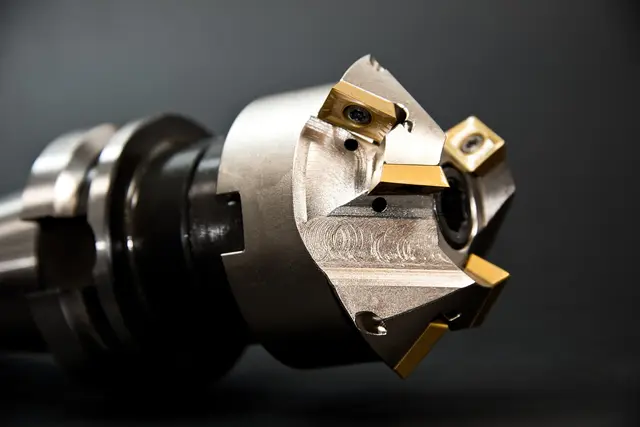
Small-batch precision machining from a home shop
Machine accurate prototype and repair parts to customer drawings using a bench mill and lathe at home.
- $8k-40k
- Side hustle
- From home