Contract spraying for farms and landowners
Spray weeds and pests on paddocks, fence lines and rural blocks for farmers and lifestyle landowners.
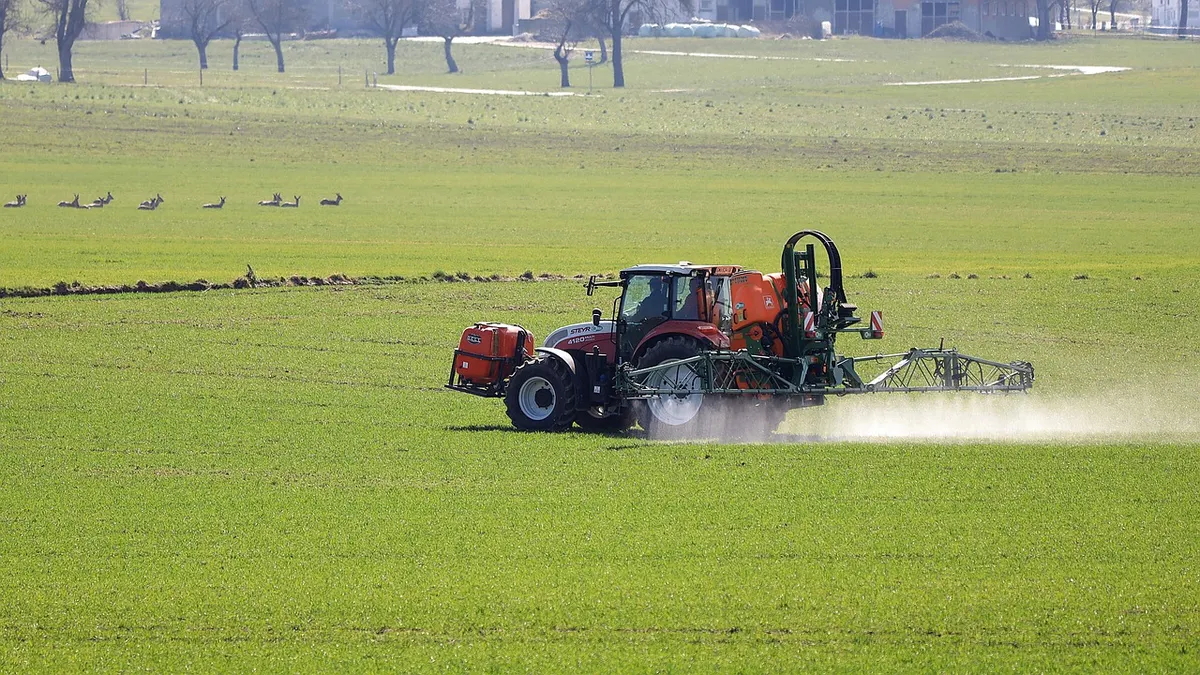
- A$8k-40k
- Part-time
- Out and about
- Licence or permit needed
Estimates for a small start in Australia, not guarantees.
What it is
A mobile spraying service using a ute-mounted or trailer-mounted sprayer to treat weeds, pests and pasture problems on farms, small rural properties and roadsides.
Your first three steps
- Check your state's requirements for chemical user training and any licence needed for commercial spraying
- Price a second-hand ute or trailer sprayer and get a quote for public liability and chemical cover
- Talk to local farmers, rural suppliers and agronomists to find out what spraying work is needed and what they pay
Who pays
Farmers who lack the time or equipment, lifestyle block owners, and sometimes councils, landcare groups and rural property managers.
How it makes money
Charge per hectare, per hour or per job, with chemical costs passed on or included. Repeat seasonal clients give steady work.
Skills that help
- Safe handling of chemicals
- Operating and maintaining spray equipment
- Knowing weeds, crops and seasons
- Reliable and good at planning
Watch out for
- Commercial spraying often needs training or a licence, check with your state's agriculture or chemical authority
- Public liability insurance that covers chemical application and spray drift
- Spray drift, weather limits and records of chemicals used, check the rules for your state
- Equipment costs and the seasonal nature of the work
Deep research report · Australia
Everything you need to start: contract spraying for farms and landowners
Researched with live web search for Australia: real startup prices, the licences and rules, what others charge, a break-even example, how to find your first customers and a 30-day launch plan. With sources.
- Startup costs with real prices
- Licences, registration and rules
- Pricing: what others charge
- Break-even example
- Finding your first customers
- 30-day launch plan
- Risks and how to reduce them
Questions people ask
How much does it cost to start a contract spraying business?
Startup costs are typically around $8,000 to $40,000, depending on the sprayer, vehicle and other equipment you choose. Equipment is a major cost, so get quotes first. These figures are estimates only.
How much can contract spraying earn?
Monthly revenue is typically around $1,500 to $7,500, depending on your client base and the time of year. The work is seasonal, so plan for quieter months. Revenue is not profit, as equipment and running costs come out of it.
What licences and rules should I check for commercial spraying?
Commercial spraying often needs training or a licence, so check with your state's agriculture or chemical authority. Also check spray drift and weather limits, chemical record requirements for your state, and public liability insurance that covers chemical application.
Other ways to run this business
Similar farming and garden ideas

Small market garden selling direct
Grow vegetables and herbs on a small plot and sell them at markets, to cafes and through weekly boxes.
- A$8k-40k
- Part-time
- Own premises
Mobile farm supplies and parts delivery
Drive a regular rural round delivering tools, parts and supplies to farms and sourcing hard-to-find items on request.
- A$8k-40k
- Part-time
- Out and about

Boutique horse breeding on your own acreage
Breed one or two foals a year from quality mares and sell them to riders and owners.
- A$8k-40k
- Side hustle
- From home

Mobile farm machinery repairer
Drive to farms to service and fix tractors, headers and implements so farmers avoid costly downtime.
- A$8k-40k
- Part-time
- Out and about

Small-acreage sheep or goat breeder
Breed a small flock of hardy sheep or goats on a rural block and sell the young stock to farmers and buyers.
- A$8k-40k
- Side hustle
- Own premises

Pasture and crop seed supplier for farms
Supply pasture, fodder and cover crop seed in bulk to farmers and landholders in your region.
- A$8k-40k
- Part-time
- Own premises
Photo: WFranz on Pixabay