Asset finance broker for small businesses
Arrange finance for vehicles, tools and equipment for tradies and small businesses, paid by the lender.

- A$2.5k-10k
- Side hustle
- Out and about
- Licence or permit needed
Estimates for a small start in Australia, not guarantees.
What it is
You help sole traders and small businesses finance utes, vans, machinery and equipment by comparing lenders and handling the application. You meet clients on site, at dealerships or by phone, so most of the work happens out and about.
Your first three steps
- Check with ASIC and an aggregator or licensed broking firm whether the finance you want to arrange needs a credit licence or authorisation
- Join a commercial or asset finance aggregator as a credit representative and learn their lender panel and systems
- Visit local equipment dealers, car yards and trade suppliers to offer a simple finance referral arrangement
Who pays
Lenders usually pay commission when the finance settles. Some brokers also charge a disclosed fee to the client, so check what is allowed and how it must be explained.
How it makes money
Commission as a percentage of the amount financed, with repeat business when clients upgrade or add equipment. Referral arrangements with dealers, equipment suppliers and accountants can supply steady leads.
Skills that help
- Talking comfortably with business owners and tradies
- Understanding business financials and cash flow
- Following up and keeping organised
- Building referral relationships
Watch out for
- Whether the credit rules apply depends on the loan and its purpose, so confirm with ASIC or your licensee before you quote any client
- Professional indemnity insurance is usually needed, so check what your licensee covers
- Commission can be clawed back if a client cancels or defaults early, so read the lender terms
- Make sure any referral fees you pay or receive are disclosed properly, and take advice on this
- Check any GST implications on commissions and fees once your turnover grows
Deep research report · Australia
Everything you need to start: asset finance broker for small businesses
Researched with live web search for Australia: real startup prices, the licences and rules, what others charge, a break-even example, how to find your first customers and a 30-day launch plan. With sources.
- Startup costs with real prices
- Licences, registration and rules
- Pricing: what others charge
- Break-even example
- Finding your first customers
- 30-day launch plan
- Risks and how to reduce them
Questions people ask
How much does it cost to start an asset finance broking business?
Estimates suggest startup costs typically around $2,500 to $10,000, depending on your licensee or aggregator fees, insurance, software and any marketing. Confirm what your licensee covers before you commit.
How much can an asset finance broker earn?
Monthly revenue is typically estimated at around $1,500 to $7,500, depending on how many deals settle, loan sizes and your commission terms. The low end assumes about 10 hours a week.
What rules should I check before arranging asset finance?
Whether the credit rules apply depends on the loan and its purpose, so confirm with ASIC or your licensee before quoting. Also check professional indemnity cover, commission clawback terms, referral fee disclosure and GST on commissions and fees.
Other ways to run this business
Similar business services ideas
Home-based mortgage and home loan broker
Help people compare and apply for home loans, working from home under an established broker group.
- A$3k-10k
- Part-time
- From home

Online niche lab supplies shop
Sell a focused range of lab consumables and small instruments online to schools, clinics and small labs.
- A$2k-10k
- Side hustle
- Online
Water filter and softener reseller
Sell and arrange water filters and softeners for homes, cafes and offices, working from home with a licensed plumber on call.
- A$2k-10k
- Side hustle
- From home

Equipment lease broker working from home
Connect small businesses with lenders to lease vehicles and equipment, and earn commission on each deal.
- A$2k-10k
- Side hustle
- From home
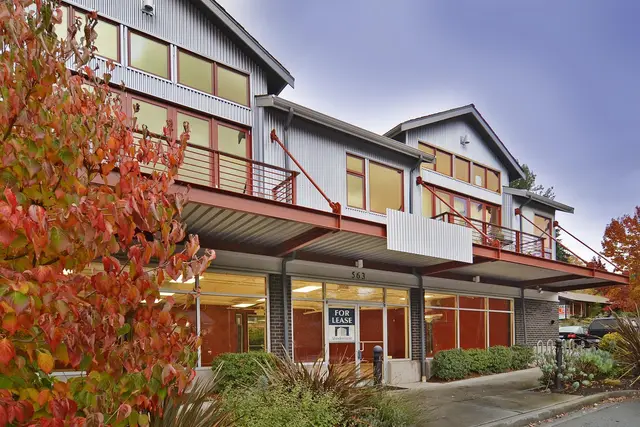
Home-based office leasing agent
Help small businesses find and negotiate an office lease, working from home and getting paid by commission or fee.
- A$2k-10k
- Part-time
- From home

Home-based residential building designer
Draw plans for home extensions, renovations and small builds for local homeowners from your home office.
- A$2k-10k
- Side hustle
- From home
Photo: advogadoaguilar on Pixabay