Bee removal from walls and roofs
Safely remove established bee colonies from buildings and rehome them instead of destroying them.
- A$2.5k-10k
- Part-time
- Out and about
- Licence or permit needed
Estimates for a small start in Australia, not guarantees.
What it is
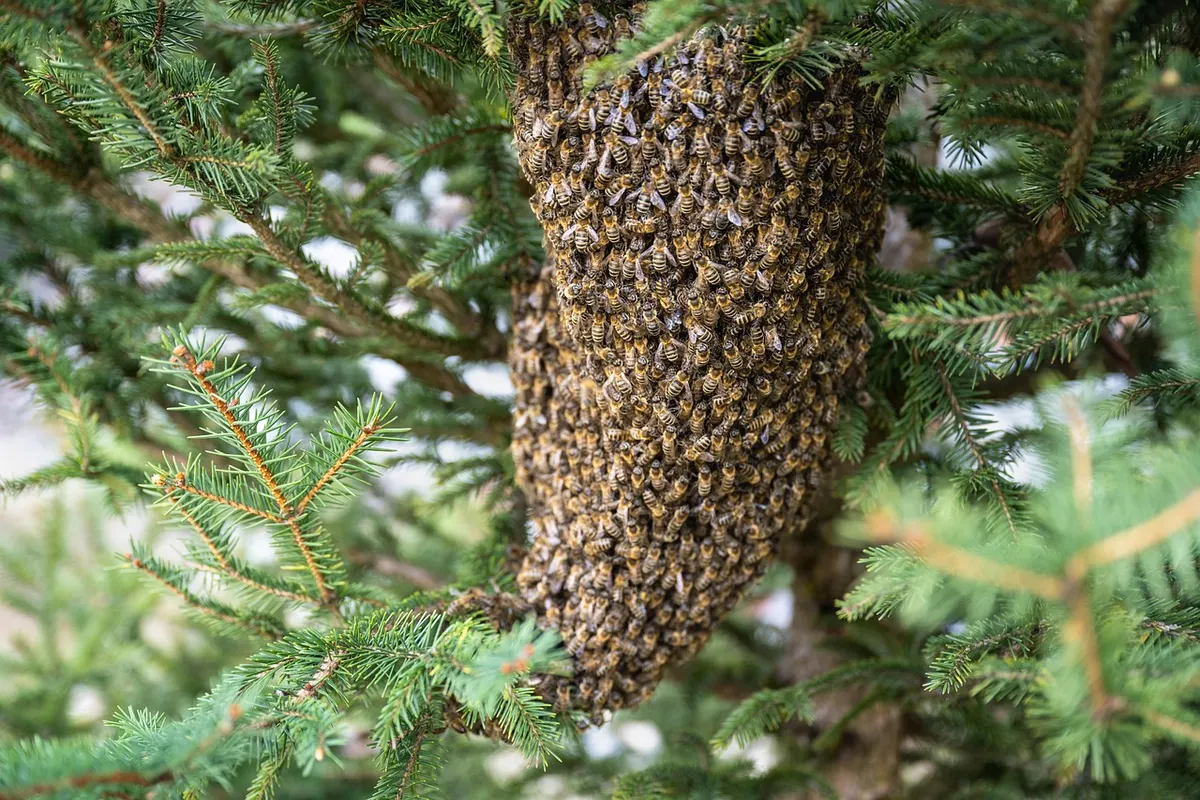
Removing established honeybee colonies from wall cavities, roof spaces, chimneys and sheds. This involves opening up the structure, transferring the comb and bees to a hive, and helping the owner seal the gap.
Your first three steps
- Get at least a season or two of hands-on beekeeping, ideally helping an experienced colony remover
- Check your state's beekeeper registration rules and insurance requirements, and get public liability cover that fits this work
- Build a kit with bee suits, a bee vacuum, ladders, hand tools and spare hives, then market to pest controllers, strata managers and local councils
Who pays
Homeowners, landlords, strata managers, councils and commercial property owners.
How it makes money
Quoted job price based on access, height and time, often with an added charge for repairs or sealing. Larger jobs pay more but take more equipment and time.
Skills that help
- Solid beekeeping experience, including handling large colonies
- Basic building and carpentry skills
- Safe working at height and in tight spaces
- Clear quoting and customer communication
Watch out for
- Public liability insurance and whether it covers work on roofs and inside structures
- Working at height rules and safety equipment, so check your state's WorkSafe or equivalent
- Beekeeper registration and bee movement rules vary by state and territory, so check with your state's agriculture department
- Damage to a customer's building, so agree the scope and who repairs what in writing
- Heavy and awkward work with a risk of stings, so keep an EpiPen plan and never work alone on risky jobs
- Some jobs may need a licensed tradesperson for repairs, so check what you can legally do
Deep research report · Australia
Everything you need to start: bee removal from walls and roofs
Researched with live web search for Australia: real startup prices, the licences and rules, what others charge, a break-even example, how to find your first customers and a 30-day launch plan. With sources.
- Startup costs with real prices
- Licences, registration and rules
- Pricing: what others charge
- Break-even example
- Finding your first customers
- 30-day launch plan
- Risks and how to reduce them
Questions people ask
How much does it cost to start a bee removal business?
Startup costs are typically around $2,500 to $10,000, depending on your safety gear, hives, tools and insurance. These are estimates, so check that your public liability cover extends to work on roofs and inside structures.
What rules should I check before removing bees from buildings?
Check working at height rules and safety equipment with your state's WorkSafe or equivalent, plus beekeeper registration and bee movement rules with your state's agriculture department. Also check what repairs you can legally do, as some may need a licensed tradesperson.
How much can bee colony removal bring in each month?
Monthly revenue is typically around $800 to $4,000, depending on how many jobs you take and their size. It's estimated at 8 or more hours a week. Agree the scope and who repairs what in writing for each job.
Other ways to run this business

Similar farming and garden ideas

Hay and bedding delivery service
Buy hay and bedding from growers and deliver it to horse owners, smallholders and small farms.
- A$2k-10k
- Side hustle
- Out and about
Bagged firewood and kindling supplier
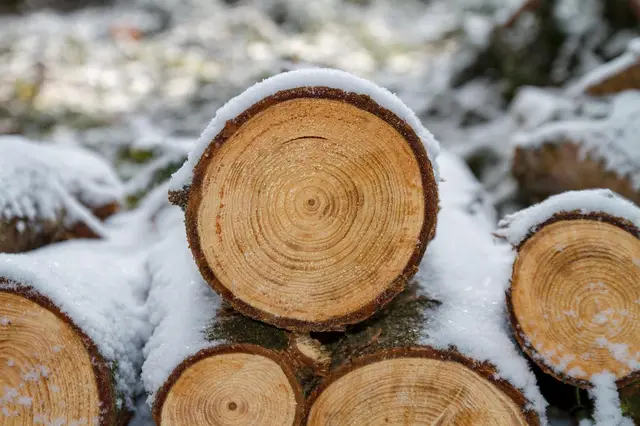
Pack dry firewood and kindling into bags and sell to servos, hardware shops and campgrounds.
- A$2k-10k
- Side hustle
- From home

Small-plot veg grower for farmers markets
Grow salad greens, herbs and seasonal veg on a small plot and sell direct at local markets.
- A$2k-10k
- Side hustle
- Own premises
Small free-range egg flock
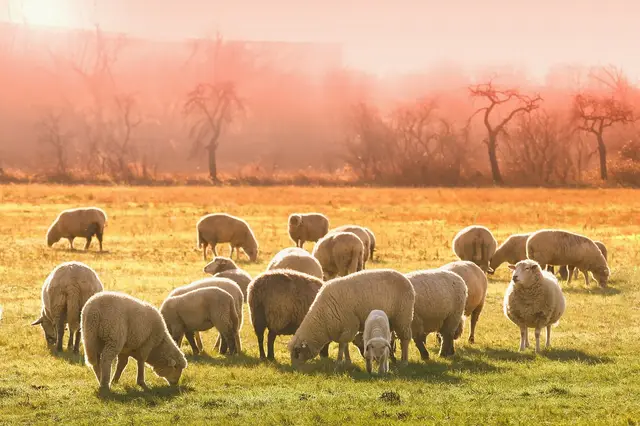
Keep a flock of laying hens on your rural block and sell fresh eggs locally.
- A$2k-10k
- Side hustle
- From home
Local mulch and bark delivery service
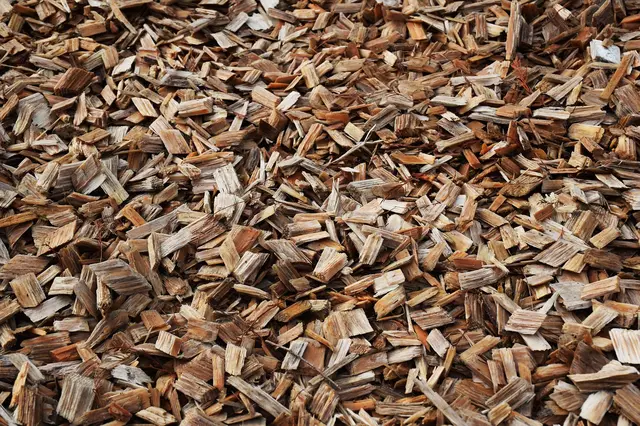
Buy bulk mulch and bark from producers and deliver it by ute or tipper to home gardeners and small landscapers.
- A$1.5k-10k
- Side hustle
- Out and about

Pasture-raised eggs from a small flock
Keep a small free-range laying flock on a rural block and sell eggs direct to locals.
- A$3k-12k
- Side hustle
- Own premises
Photo: xiSerge on Pixabay