Bee swarm collection call-outs
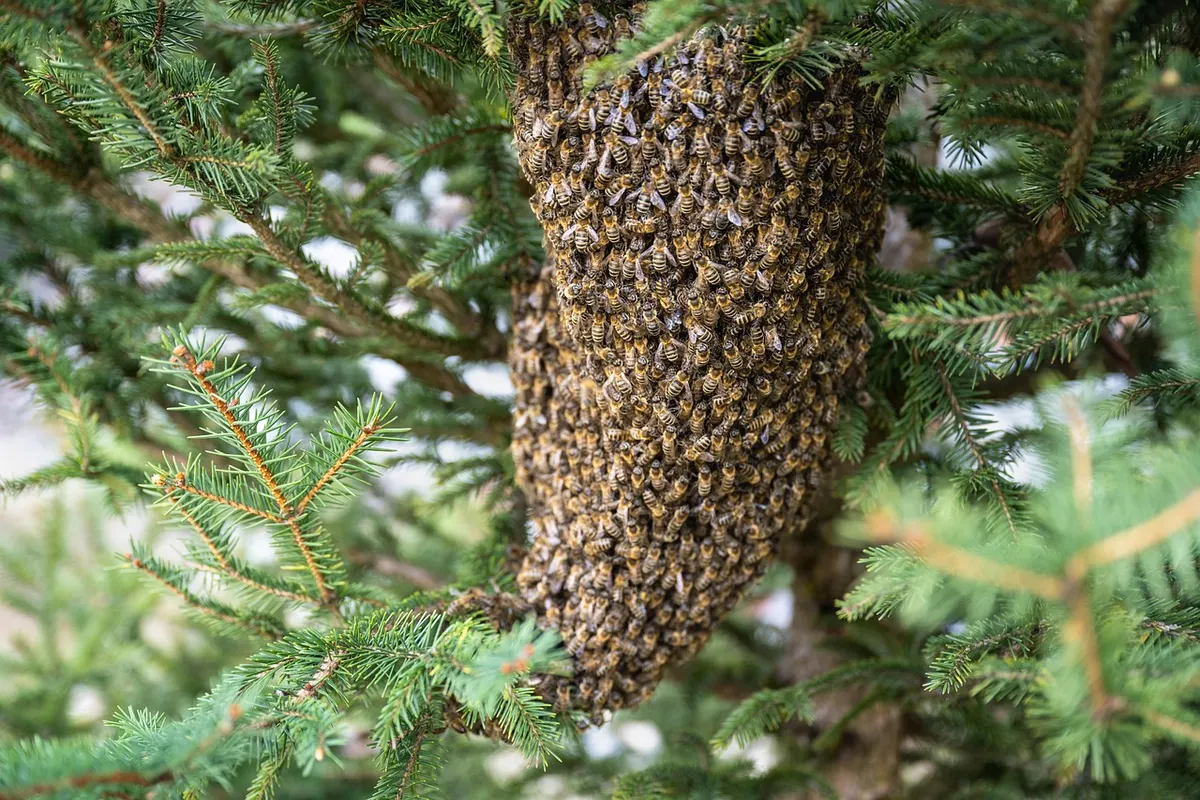
Collect honeybee swarms from trees, fences and gardens and rehome them in your own hives.
- A$500-2.5k
- Side hustle
- Out and about
- Licence or permit needed
Estimates for a small start in Australia, not guarantees.
What it is
Responding to calls about honeybee swarms that have landed somewhere accessible, such as a tree branch, fence or garden shed. You collect the swarm in a box or nuc and move it to a hive you manage.
Your first three steps
- Join a local beekeeping club, learn from experienced members and do a beginner course
- Register as a beekeeper with your state or territory authority if required, and set up your hive and swarm collection gear
- List yourself with your local council, beekeeping club and a simple website or Facebook page as a swarm collector
Who pays
Homeowners, schools, councils, small businesses and property managers who want a swarm removed safely without killing the bees.
How it makes money
A call-out fee per swarm, sometimes with a travel charge. The collected bees can also stock your own hives or be sold as nucleus colonies to other beekeepers.
Skills that help
- Hands-on beekeeping experience
- Staying calm with the public and with bees
- Identifying honeybees versus native bees and wasps
Watch out for
- Beekeeper registration rules differ by state and territory, so check with your state's primary industries or agriculture department
- Public liability insurance, and check whether your policy covers working at customers' properties
- Bee stings and allergies: get medical advice and carry safety gear
- Make sure the insects are honeybees and not protected native bees; check what is allowed locally
- Working from ladders or in trees adds risk, so only take jobs you can do safely
Deep research report · Australia
Everything you need to start: bee swarm collection call-outs
Researched with live web search for Australia: real startup prices, the licences and rules, what others charge, a break-even example, how to find your first customers and a 30-day launch plan. With sources.
- Startup costs with real prices
- Licences, registration and rules
- Pricing: what others charge
- Break-even example
- Finding your first customers
- 30-day launch plan
- Risks and how to reduce them
Questions people ask
How much does it cost to start collecting bee swarms?
Startup costs are typically around $500 to $2,500, depending on your boxes, protective gear and insurance. These are estimates, so get a quote for public liability cover, including work at customers' properties.
Do I need to be registered to remove bee swarms in Australia?
Beekeeper registration rules differ by state and territory, so check with your state's primary industries or agriculture department. Also check public liability cover, and make sure the insects are honeybees, not protected native bees, and what's allowed locally.
How much can I make from bee swarm call-outs?
Monthly revenue is typically around $100 to $1,000, depending on how many call-outs you get and the season. It's estimated at 4 or more hours a week, which suits a side hustle. Only take jobs you can do safely.
Other ways to run this business

Similar farming and garden ideas

Farm gate roadside stall
Sell your own fruit, veg, eggs or preserves from a simple stall at your property gate.
- A$500-2.5k
- Side hustle
- From home
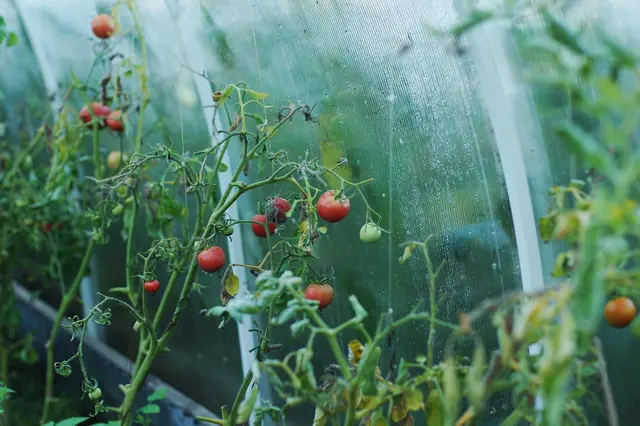
Backyard polytunnel for seedlings and herbs
Grow seedlings, herbs and salad greens in a small polytunnel and sell them at local markets or to neighbours.
- A$800-4k
- Side hustle
- From home
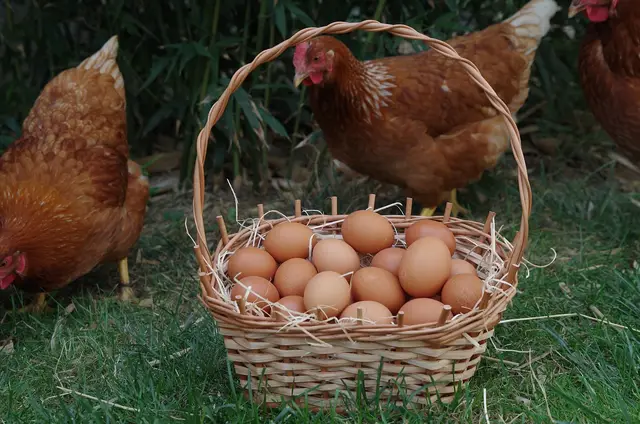
Small-flock fresh egg supplier
Keep a small flock of hens and sell fresh eggs to neighbours, a local cafe or a farmers market stall.
- A$800-4k
- Side hustle
- From home
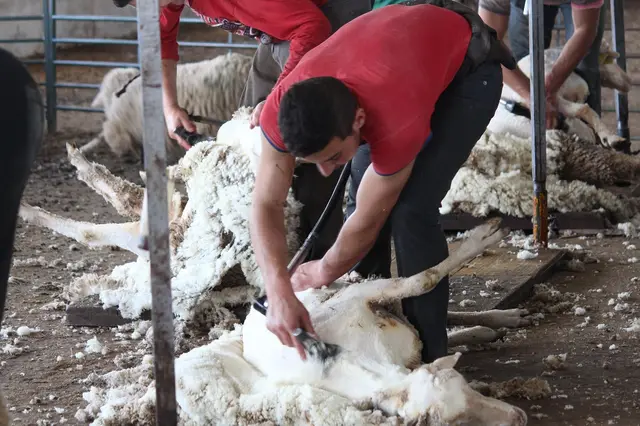
Contract sheep shearer
Shear sheep for farmers on contract, paid per head, working local properties through the season.
- A$1k-4k
- Part-time
- Out and about
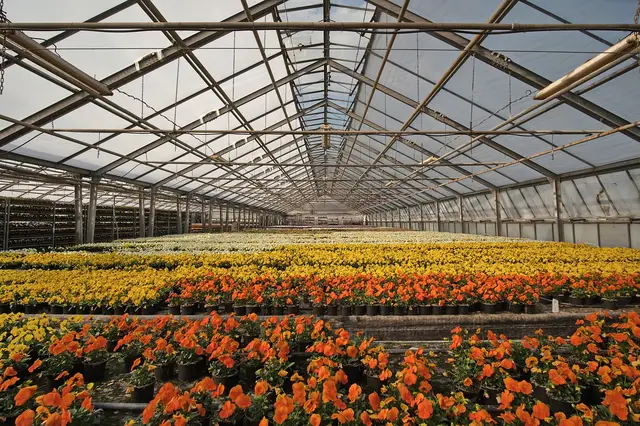
Backyard plant nursery
Grow herbs, natives and veggie seedlings at home and sell them to local gardeners.
- A$800-4k
- Side hustle
- From home

Home-based fertiliser agent
Source fertiliser and soil products for local farmers and growers, and have suppliers deliver direct to their gate.
- A$1k-5k
- Part-time
- From home
Photo: xiSerge on Pixabay