Small-batch salami and cured meat maker
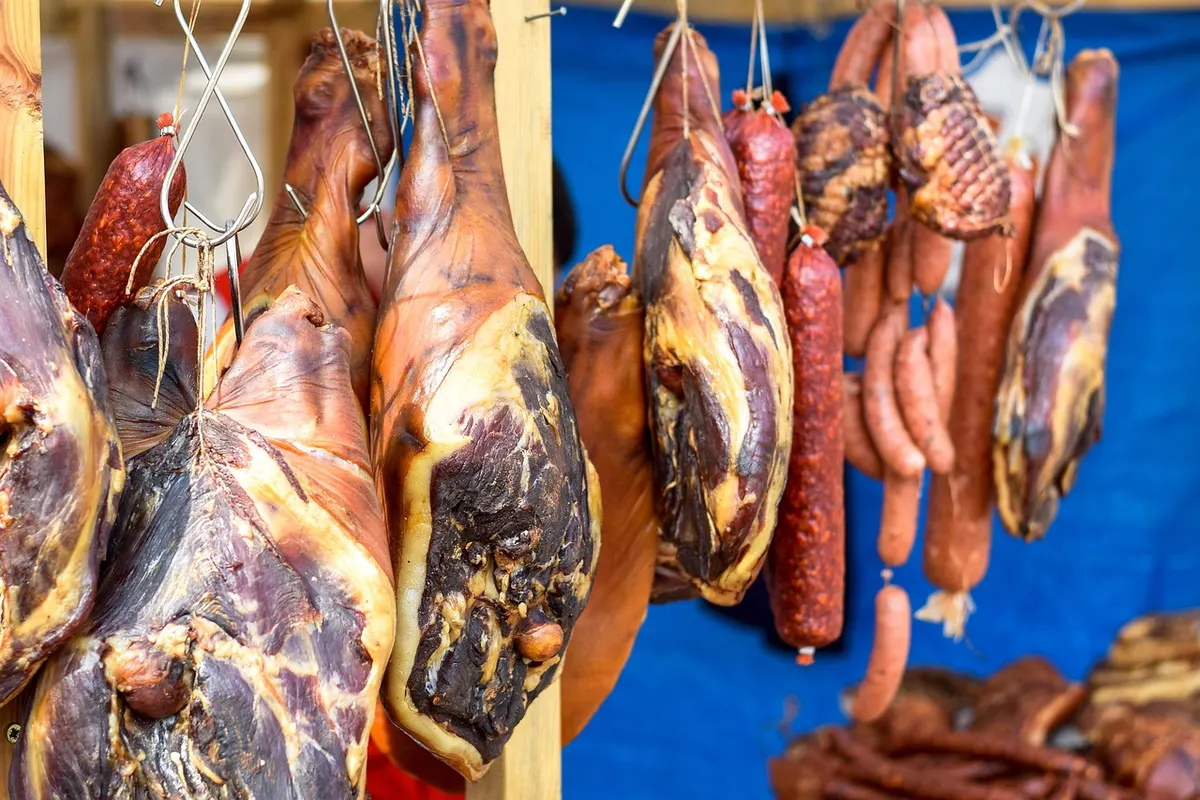
Cure salami, ham and other cured meats in a small licensed space and sell to delis, restaurants and at markets.
- A$25k-100k
- Part-time
- Own premises
- Licence or permit needed
Estimates for a small start in Australia, not guarantees.
What it is
Making cured and fermented meats such as salami, prosciutto-style ham and bresaola in a small, purpose-fitted room with controlled temperature and humidity. You buy in quality meat, cure, age, slice or pack, and sell.
Your first three steps
- Contact your state or territory meat or food authority to find out which licence and facility standards apply to making cured meats
- Do a short course or work with an experienced smallgoods maker, and test recipes in small batches
- Visit local delis and restaurants with samples and ask what they would pay per kilo
Who pays
Delis, restaurants, cafes, bottle shops and providores, plus food lovers buying at farmers' markets or online.
How it makes money
Wholesale prices per kilo to shops and restaurants, and higher retail prices per pack or whole piece at markets and online. Ageing takes weeks to months, so cash is tied up in stock.
Skills that help
- Food safety and hygiene discipline
- Butchery or meat handling
- Patience and consistent record keeping
- Selling to local shops and chefs
Watch out for
- Cured and fermented meats are tightly regulated, check licensing with your state authority before you buy equipment
- Premises must usually be approved, so a home kitchen is unlikely to be allowed, check with your council
- Public liability and product liability insurance
- Food safety risks if curing is done wrong, you may need a food safety plan and testing
- Stock sits for weeks or months before you can sell it, so plan your cash flow
🔒 Full research report for Australia
Real cost breakdown with current prices, licences and registration checklist, local competition, pricing, break-even and a 30-day launch plan, with sources.
Coming soonQuestions people ask
How much does it cost to start a salami and cured meat business?
Startup costs are typically around $25,000 to $100,000, based on estimates, depending on your curing room fit-out, temperature and humidity controls, equipment and licensing. Stock sits for weeks or months, so plan cash flow.
How much can a small-batch curing business earn?
Estimated monthly revenue is typically around $4,000 to $18,000, depending on your volume, the delis, restaurants and markets you sell to, and how long your products take to age before sale.
What licences and rules apply to making cured meats in Australia?
Check licensing with your state authority before buying equipment, as cured and fermented meats are tightly regulated. Premises must usually be approved, so check with your council. Also check insurance, and whether you need a food safety plan and testing.
Other ways to run this business

Similar food ideas
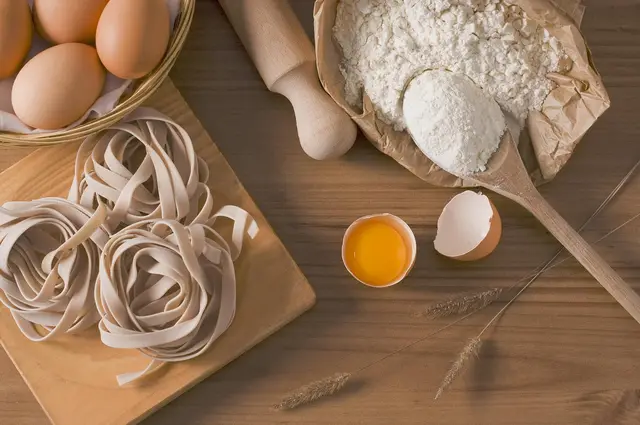
Fresh pasta shop
Make and sell fresh pasta, sauces and Italian pantry goods from a small local shopfront.
- A$25k-100k
- Full-time
- Own premises
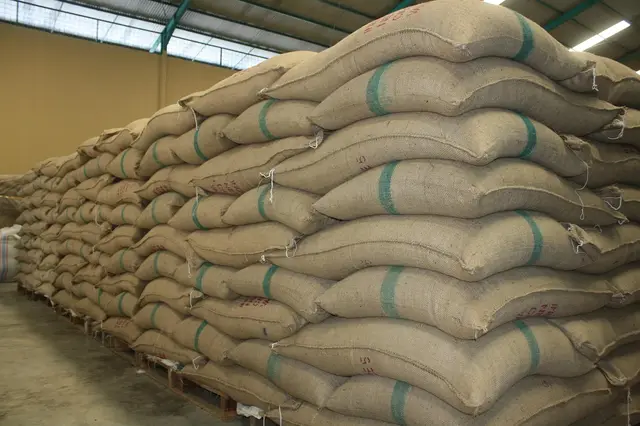
Roast and supply wholesale coffee
Roast beans in a small unit and supply cafés and shops with your own local brand.
- A$25k-100k
- Full-time
- Own premises
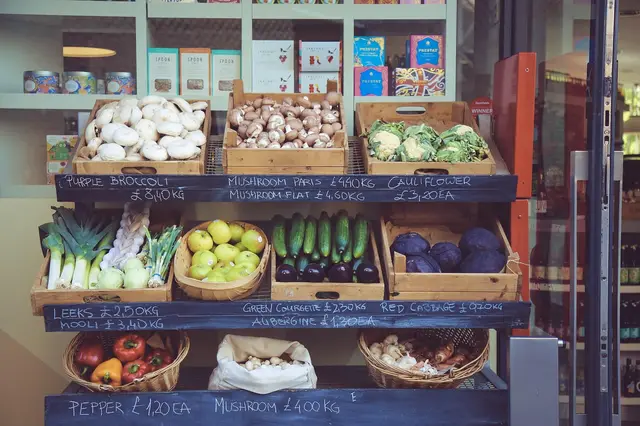
Neighbourhood greengrocer shop
Run a small fruit and veg shop selling fresh local produce to people in your suburb or town.
- A$25k-100k
- Full-time
- Own premises
Local lolly and chocolate shop
Open a small shop selling lollies, chocolates and gifts by weight or pack to locals and visitors.
- A$25k-100k
- Full-time
- Own premises
Rice and grain shop
Run a small shop selling bulk and packaged rice and grains to local households and restaurants.
- A$25k-100k
- Full-time
- Own premises

Weekly meal prep subscription
Run a full-time meal prep kitchen and deliver weekly meal packs to regular subscribers.
- A$25k-100k
- Full-time
- Own premises
Photo: Pexels on Pixabay