Neighbourhood chinese grocery store
Open a small shop selling Chinese pantry staples, fresh produce and household goods to your local community.

- A$60k-250k
- Full-time
- Own premises
- Licence or permit needed
Estimates for a small start in Australia, not guarantees.
What it is
A small shop stocking sauces, noodles, rice, frozen foods, snacks, fresh vegetables such as bok choy, and cookware. Many stores also serve students and families from nearby Chinese communities.
Your first three steps
- Visit Asian grocers in your area and note what is missing, what they charge and which communities they serve
- Find wholesalers and importers, and ask for price lists and minimum order sizes
- Shortlist shop locations near your target customers and ask your council what food business approvals the premises need
Who pays
Local Chinese and wider Asian communities, international students, home cooks, and nearby restaurants buying small quantities.
How it makes money
Retail margin on each item sold. Fresh produce brings people in often, while packaged goods and imported specialty items usually carry better margins. Some shops also sell to small restaurants in bulk.
Skills that help
- Choosing products customers want
- Stock control and ordering
- Customer service, ideally Mandarin or Cantonese as well as English
- Handling fresh food safely
Watch out for
- Food business registration with your local council, and any food safety supervisor requirement in your state
- Labelling rules for imported packaged food, which must follow the Food Standards Code, so check before you buy stock
- Public liability and property insurance, plus workers compensation once you hire staff
- Lease terms, fit-out costs for refrigeration, and food waste from fresh produce
- Check whether selling products such as rice wine needs a separate liquor licence
Deep research report · Australia
Everything you need to start: neighbourhood Chinese grocery store
Researched with live web search for Australia: real startup prices, the licences and rules, what others charge, a break-even example, how to find your first customers and a 30-day launch plan. With sources.
- Startup costs with real prices
- Licences, registration and rules
- Pricing: what others charge
- Break-even example
- Finding your first customers
- 30-day launch plan
- Risks and how to reduce them
Questions people ask
How much does it cost to open a Chinese grocery store?
Startup costs are typically estimated at around $60,000 to $250,000, depending on premises size, lease terms, stock and fit-out such as refrigeration. Lease terms, fit-out costs and food waste from fresh produce are worth checking carefully.
How much can a Chinese grocery store earn?
Monthly revenue is typically estimated at around $30,000 to $120,000, depending on location, product range and customer base. This is revenue before costs such as rent, stock and wages, so work out your own numbers before committing.
What rules should I check before opening a Chinese grocery store?
Check food business registration with your local council and any food safety supervisor requirement in your state. Also check Food Standards Code labelling for imported packaged food before buying stock, and whether selling products such as rice wine needs a separate liquor licence.
Other ways to run this business
Similar retail ideas
Small pawn shop with secure storage
Lend cash against jewellery, tools and electronics, then sell items that aren't collected.
- A$90k-250k
- Full-time
- Own premises

Licensed firearms and shooting shop
Run a small licensed shop selling firearms, ammunition and gear to local hunters, farmers and sport shooters.
- A$50k-250k
- Full-time
- Own premises
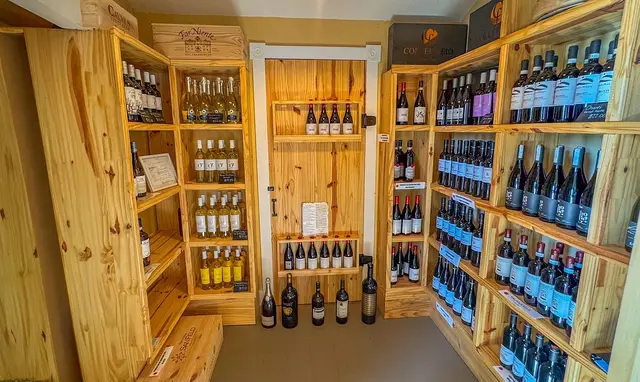
Independent neighbourhood wine shop
Run a small local shop selling wine, spirits and craft drinks, with friendly advice and a hand-picked range.
- A$60k-250k
- Full-time
- Own premises

Coffee and snack kiosk in a busy spot
Run a small kiosk selling coffee, drinks and grab-and-go snacks to commuters and passing foot traffic.
- A$60k-250k
- Full-time
- Own premises
Neighbourhood hardware and DIY shop
Run a small local shop selling tools, paint and fixings, with friendly advice big stores can't match.
- A$50k-250k
- Full-time
- Own premises
Ceramics wholesaler with a small warehouse
Hold a wider range of ceramics in a small unit and supply retailers quickly, with trade visits and online ordering.
- A$80k-250k
- Full-time
- Own premises