Dance studio with a full weekly timetable
Lease a small studio and run a full timetable of classes for children and adults, with a team of teachers.
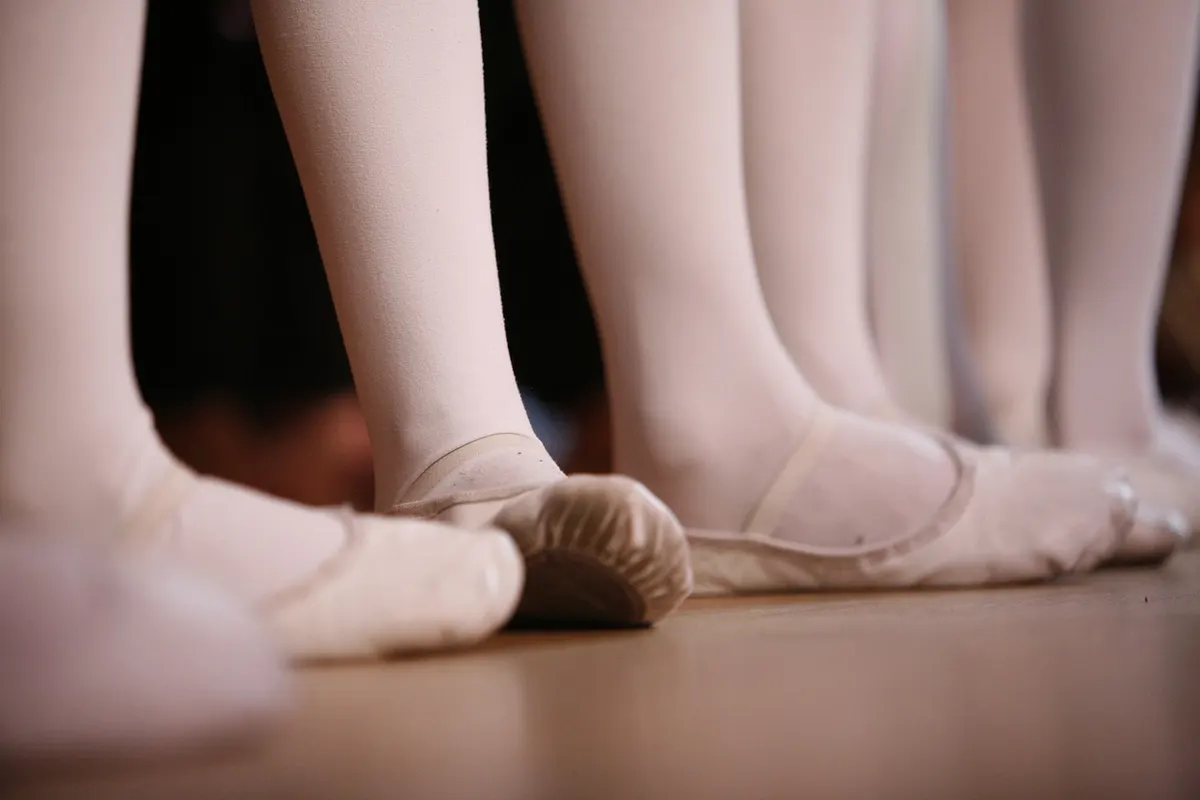
- A$15k-60k
- Full-time
- Own premises
Estimates for a small start in Australia, not guarantees.
What it is
A dedicated dance studio with sprung flooring, mirrors and a sound system, running classes across the week and often on Saturdays. You can add other teachers, holiday workshops, parties and performance groups.
Your first three steps
- Research your area for demand, competing schools and suitable premises, and get a few lease quotes
- Build a budget covering fit-out, bond, insurance and several months of rent, and speak to an accountant
- Start with classes in a hired hall to build enrolments before signing a lease
Who pays
Local families paying term fees, adults paying for casual or class packs, and parents booking birthday parties or holiday programs.
How it makes money
Term fees and class packs form the base. Extra income comes from holiday workshops, party bookings, uniforms, concerts and competition teams.
Skills that help
- Strong dance teaching background
- Managing and rostering teachers
- Marketing and customer service
- Basic bookkeeping
Watch out for
- Commercial lease terms, including length, rent reviews and make-good clauses, get advice before signing
- Council approval for the use of the premises and fit-out, check with your local council
- Public liability insurance, and workers compensation once you hire staff (state schemes)
- Working with Children Checks for all teachers and staff
- Music licensing for playing music in the studio
- Rent is a fixed cost, so slow terms can hurt cash flow
🔒 Full research report for Australia
Real cost breakdown with current prices, licences and registration checklist, local competition, pricing, break-even and a 30-day launch plan, with sources.
Coming soonQuestions people ask
How much does it cost to open a dance studio in Australia?
Startup costs are typically around $15,000 to $60,000, depending on the premises, fit-out such as sprung flooring, mirrors and sound system, and your lease terms. These are estimates, so get quotes for your own location.
How much can a dance studio earn?
Estimated monthly revenue is typically around $3,000 to $15,000, depending on the size of your timetable, student numbers and extras like parties and workshops. Rent is a fixed cost, so slow terms can hurt cash flow.
What should I check before leasing a dance studio?
Check commercial lease terms, including length, rent reviews and make-good clauses, and get advice before signing. Also check council approval for the premises and fit-out, public liability insurance, workers compensation once you hire, Working with Children Checks and music licensing.
Other ways to run this business

Similar teaching and tutoring ideas

Small adult learning centre with your own classrooms
Rent a small space and run a timetable of evening and weekend courses taught by you and local tutors.
- A$15k-60k
- Part-time
- Own premises
Maths tutoring centre
Rent a small shopfront or room and run after-school maths classes with a few tutors.
- A$15k-60k
- Full-time
- Own premises

Sessional preschool in a hired community hall
Run morning or part-week preschool sessions from a hired hall, keeping fit-out and lease costs lower.
- A$15k-60k
- Part-time
- Own premises
Small local training centre
Run short courses in your own small training room for locals, employers and funded learners.
- A$15k-60k
- Full-time
- Own premises

Approved after-school care service
Run a registered outside school hours care service for local primary school children in a hired hall or school space.
- A$15k-60k
- Full-time
- Own premises

Small children's farm with bookable visits
Open a small farm where families and school groups meet friendly animals and join hands-on farming sessions.
- A$15k-70k
- Part-time
- Own premises
Photo: tobiaswahl on Pixabay