Start a mobility and daily living equipment shop
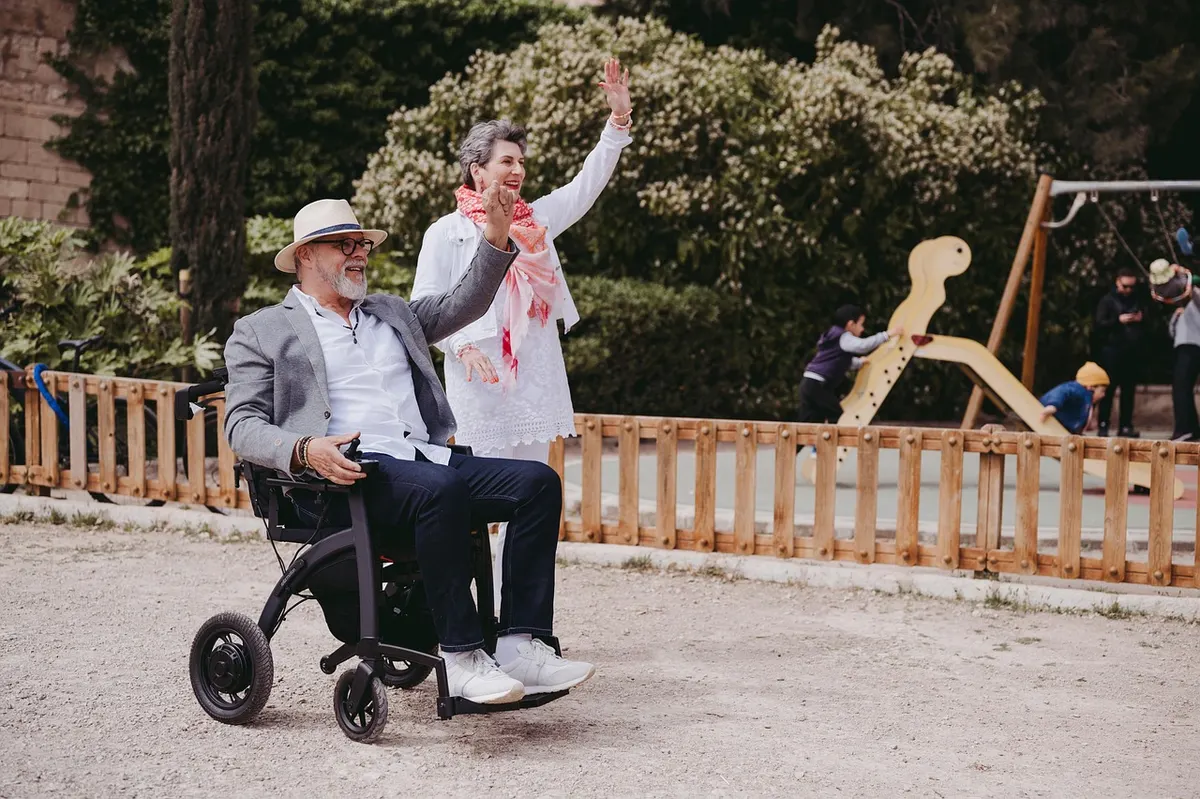
Open a small shop selling and hiring mobility aids and daily living equipment to people with disability, carers and care homes.
- A$30k-120k
- Full-time
- Own premises
Estimates for a small start in Australia, not guarantees.
What it is
A small shopfront or showroom stocking items like walkers, wheelchairs, shower chairs, bed rails and kitchen aids, with sales, hire, basic fitting advice and delivery.
Your first three steps
- Visit local mobility shops and talk to carers, OTs and care homes about what is missing in your area
- Contact a few Australian wholesalers and suppliers to compare ranges, trade pricing and minimum orders
- Price up suitable premises near hospitals, rehab centres or aged care, and check council zoning and lease terms
Who pays
People with disability, older people and their families, carers, care homes, and NDIS participants, either directly or through plan or self-managed funds.
How it makes money
Margin on equipment sales, weekly or monthly hire fees, and charges for delivery, set-up and simple repairs. Regular care home and community orders add steady income.
Skills that help
- Patient, respectful customer service
- Learning product ranges and what suits different needs
- Stock control and basic bookkeeping
Watch out for
- Many aids count as medical devices, so check TGA requirements with your suppliers
- If you want NDIS participants to use you, check whether you need NDIS provider registration or whether unregistered supply is allowed for your customers
- Public liability and product liability insurance, plus Australian Consumer Law warranty obligations
- Cleaning and servicing hire stock between customers, and safe manual handling of heavy items
- Stock tied up in inventory can strain cash flow
Deep research report · Australia
Everything you need to start: mobility and daily living equipment shop
Researched with live web search for Australia: real startup prices, the licences and rules, what others charge, a break-even example, how to find your first customers and a 30-day launch plan. With sources.
- Startup costs with real prices
- Licences, registration and rules
- Pricing: what others charge
- Break-even example
- Finding your first customers
- 30-day launch plan
- Risks and how to reduce them
Questions people ask
How much does it cost to start a mobility equipment shop in Australia?
Startup costs are typically around $30,000 to $120,000, depending on your premises, fit-out and how much stock and hire equipment you buy. These are estimates only, and stock tied up in inventory can strain cash flow early on.
How much can a mobility and daily living equipment shop make?
Monthly revenue is typically around $10,000 to $50,000, depending on your location, product range and the mix of sales, hire and delivery. This is an estimate of revenue, not profit, and it usually needs around 35 hours a week or more.
What rules should I check before opening a mobility aids shop?
Check TGA requirements with your suppliers, as many aids count as medical devices. Also check whether you need NDIS provider registration, plus public and product liability insurance and your Australian Consumer Law warranty obligations.
Other ways to run this business

Similar health and wellness ideas
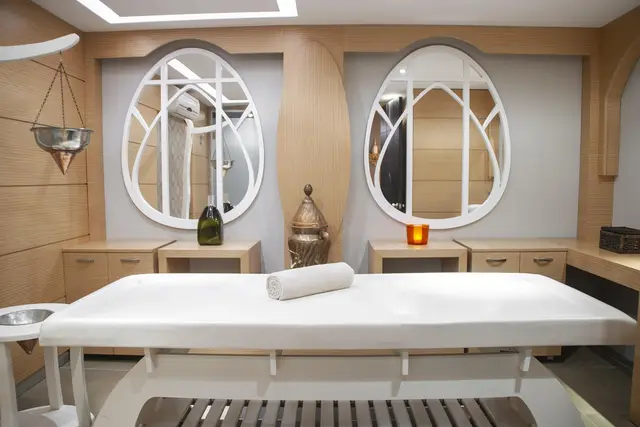
Small day spa in a shopfront
Open a small spa with a few treatment rooms and a team offering facials, massage and body care.
- A$30k-120k
- Full-time
- Own premises

Small neighbourhood day spa
Open a small spa with a few treatment rooms offering massage, body treatments and a relaxing sauna or steam space.
- A$30k-120k
- Full-time
- Own premises
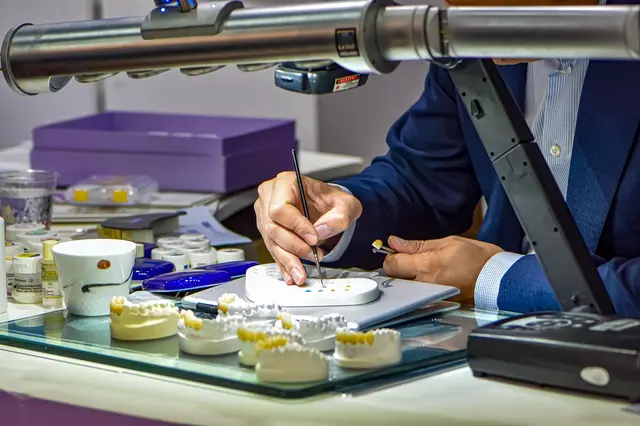
Small dental lab making crowns, bridges and dentures
Run a small workshop making crowns, bridges and dentures to order for local dental clinics.
- A$30k-120k
- Full-time
- Own premises

Heated Bikram yoga studio
Open a small studio running heated yoga classes for members and drop-in students.
- A$40k-150k
- Full-time
- Own premises

Mobility equipment shop with hire
Run a small showroom selling and hiring mobility aids to individuals, care homes and health providers.
- A$35k-150k
- Full-time
- Own premises
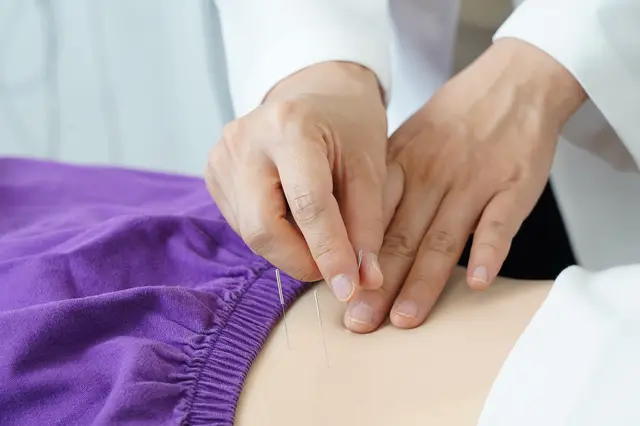
Your own Chinese medicine clinic
Lease a small shopfront or suite with treatment rooms and a herbal dispensary for steady local clients.
- A$20k-80k
- Full-time
- Own premises
Photo: 42073831 on Pixabay