Family counsellor in a rented consulting room
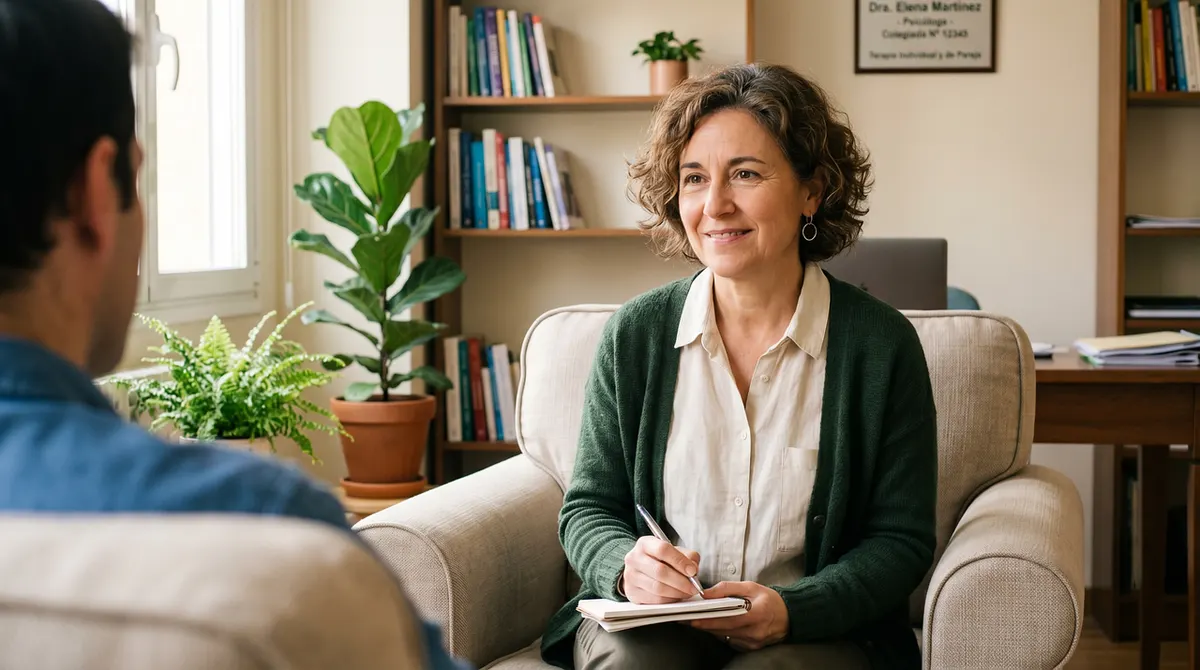
See parents, couples and children face to face in a rented room, helping families communicate and work through conflict.
- A$2k-8k
- Part-time
- Own premises
Estimates for a small start in Australia, not guarantees.
What it is
A private counselling practice where you meet families in a rented or shared consulting room. Sessions help with communication, parenting stress, separation, blended families and teenage conflict.
Your first three steps
- Check that your qualifications meet the entry standards of a professional body such as ACA or PACFA, and apply for membership
- Arrange professional indemnity and public liability insurance, a clinical supervisor and a pay-as-you-go room in a shared clinic
- Register an ABN, set up a simple booking and payment system, and introduce yourself to local GPs, schools and family services
Who pays
Parents, couples and families paying privately, plus some clients referred by schools, GPs, community groups or charities.
How it makes money
A fee per session, usually 50 to 60 minutes. Many counsellors charge more for longer family sessions. Rent is often paid by the hour or day, so costs rise and fall with how many clients you see.
Skills that help
- A recognised counselling or family therapy qualification
- Calm, non-judgemental listening
- Handling several people in the room at once
- Careful record keeping and confidentiality
Watch out for
- Counselling is not licensed in the same way as some other health professions in most states, but clients and referrers often expect professional body membership. Check what applies where you live
- Professional indemnity insurance and ongoing clinical supervision
- Medicare rebates generally don't cover counsellors, and rules change, so check before telling clients they can claim
- Mandatory reporting duties for child safety and any Working with Children Check differ by state, so check your state's requirements
- Privacy and health records laws apply to client notes, so check how long you must keep them and how to store them securely
- Ask an accountant or the ATO whether your services are GST-free and when you need to register for GST
- Emotional load: plan breaks and supervision to avoid burnout
Deep research report · Australia
Everything you need to start: family counsellor in a rented consulting room
Researched with live web search for Australia: real startup prices, the licences and rules, what others charge, a break-even example, how to find your first customers and a 30-day launch plan. With sources.
- Startup costs with real prices
- Licences, registration and rules
- Pricing: what others charge
- Break-even example
- Finding your first customers
- 30-day launch plan
- Risks and how to reduce them
Questions people ask
How much does it cost to start a family counselling practice?
As an estimate, startup costs are typically around $2,000 to $8,000, depending on the room you rent, furnishings, insurance, supervision and record-keeping tools. Costs vary with location and how you set up the room.
What rules should a family counsellor in Australia check?
Things to check include whether professional body membership is expected, professional indemnity insurance, clinical supervision, Medicare rebate rules, state mandatory reporting and Working with Children Check requirements, privacy and health records laws, and GST.
How much can a family counsellor earn and how many hours are needed?
As an estimate, monthly revenue is typically around $1,200 to $6,000, depending on how many clients you see and your session fees. Plan for at least about 8 hours a week, plus time for notes and supervision.
Other ways to run this business
Similar health and wellness ideas

Counselling from a rented consulting room
Meet clients face to face in a rented room in a shared health or wellbeing centre.
- A$2k-8k
- Part-time
- Own premises

Home-based kinesiology practice
See clients one-on-one in a spare room at home, using muscle testing to guide wellbeing advice.
- A$2k-8k
- Side hustle
- From home
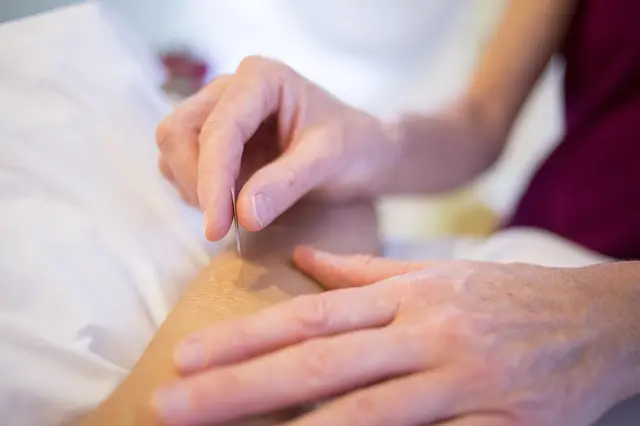
Acupuncture from a rented clinic room
Treat your own clients from a room you rent by the day or session in an existing wellness clinic.
- A$2k-8k
- Part-time
- Own premises

Mobile first aid trainer
Teach first aid and CPR courses at workplaces, clubs and community halls, working with a registered training organisation.
- A$2.5k-8k
- Side hustle
- Out and about
Couples counsellor in rented consulting rooms
See couples face to face in a rented room by the hour or day, helping them communicate better and work through conflict.
- A$2k-8k
- Part-time
- Own premises
Part-time Ayurvedic practice in a rented room
See Ayurvedic clients by appointment from a room hired in a wellness centre, with low costs and flexible hours.
- A$2k-8k
- Side hustle
- Own premises
Photo: Norman_Gil on Pixabay