Timber floor sanding and polishing
Sand and re-coat timber floors in homes for owners and landlords, working from a ute or van with your own machines.
- A$6k-25k
- Part-time
- Out and about
Estimates for a small start in Australia, not guarantees.
What it is
Sanding back worn timber floors and finishing them with polyurethane, oil or stain. You travel to each job with a drum sander, an edger and a dust extraction system.
Your first three steps
- Do a floor sanding course or work a few weeks with an established floor sander to learn the basics
- Price up second-hand or new machines, dust extraction and finishes, then practise on offcuts or a friend's floor
- Get an ABN and insurance, then ask local builders, agents and landlords for quote opportunities
Who pays
Homeowners renovating or selling, landlords preparing rentals, real estate agents and small builders.
How it makes money
Quoted price per square metre or per room, depending on floor condition, number of coats and finish type. Repairs and stain work are extra.
Skills that help
- Comfortable using heavy machinery
- Attention to detail for a smooth finish
- Quoting and measuring jobs accurately
- Customer service and reliability
Watch out for
- Public liability insurance, and check whether your state requires a licence or registration for this kind of work
- Fine dust and fumes: use proper extraction and a suitable respirator, and check the safe work rules in your state
- Fire risk from sanding dust and rags soaked in some finishes, so check safe disposal methods
- Mistakes such as sanding too deep or poor finishing are costly, so quote carefully and start with simpler jobs
- GST registration is required once turnover reaches the threshold
Deep research report · Australia
Everything you need to start: timber floor sanding and polishing
Researched with live web search for Australia: real startup prices, the licences and rules, what others charge, a break-even example, how to find your first customers and a 30-day launch plan. With sources.
- Startup costs with real prices
- Licences, registration and rules
- Pricing: what others charge
- Break-even example
- Finding your first customers
- 30-day launch plan
- Risks and how to reduce them
Questions people ask
How much does it cost to start a floor sanding business?
Startup costs are typically around $6,000 to $25,000, depending on whether you buy new or used machines, your dust extraction setup and the ute or van you use. Treat these as estimates and get quotes for equipment.
How much can a floor sander earn?
Monthly revenue is typically around $3,000 to $12,000, depending on how many jobs you take, the size of the floors and the finishes you offer. The estimate starts from about 20 hours a week.
What should I check before starting a floor sanding business?
Check public liability insurance and whether your state requires a licence or registration for this work. Also check safe work rules for fine dust and fumes, safe disposal of finish-soaked rags, and GST registration once turnover reaches the threshold.
Other ways to run this business

Similar trades ideas
Supply-and-fit benchtops for homeowners
Measure, make and fit laminate or timber benchtops for homeowners from a small garage or shed workshop.
- A$8k-25k
- Part-time
- From home
Online plywood and board supplier
Sell cut-to-size plywood and boards online to tradies and DIYers, delivered from a small storage unit.
- A$5k-25k
- Part-time
- Online
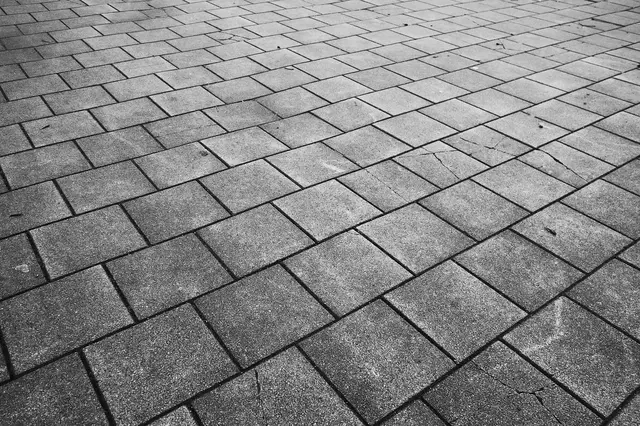
Patio and driveway paving
Lay pavers and concrete patios, paths and driveways for homeowners in your area.
- A$5k-25k
- Part-time
- Out and about
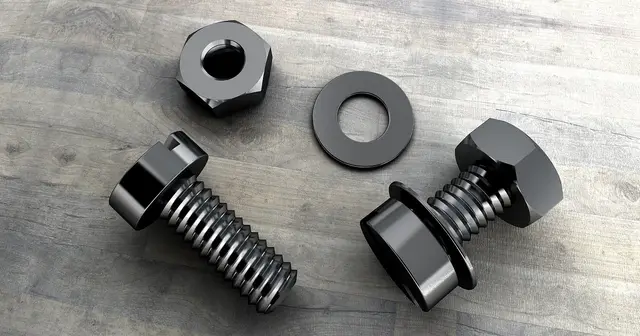
Mobile fastener supplier to tradies
Stock a ute or van with screws, bolts and anchors and restock local builders and tradies on site.
- A$5k-25k
- Part-time
- Out and about
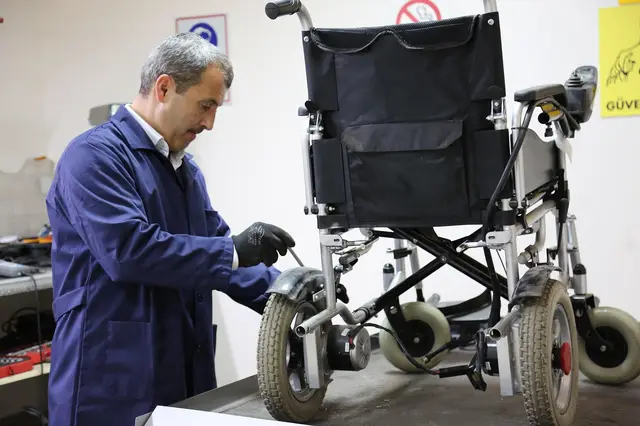
Mobile wheelchair and mobility aid repairs
Drive to homes and care facilities to fix and service wheelchairs, scooters and walkers on the spot.
- A$6k-25k
- Part-time
- Out and about
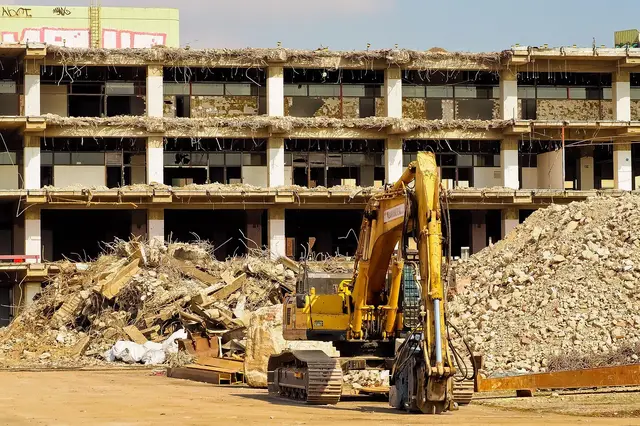
Strip-out and soft demolition
Remove old kitchens, walls, ceilings and fit-outs by hand for renovators and shop owners.
- A$5k-25k
- Side hustle
- Out and about