Mobile wheelchair and mobility aid repairs
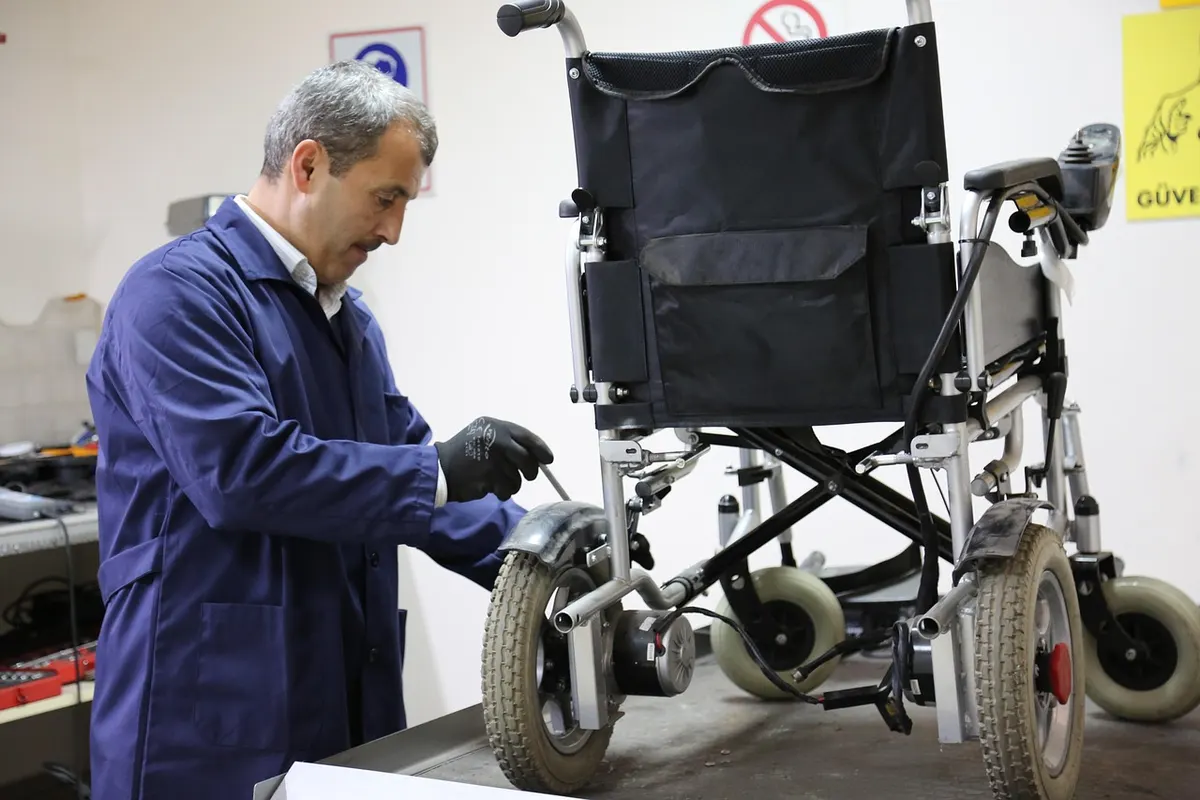
Drive to homes and care facilities to fix and service wheelchairs, scooters and walkers on the spot.
- A$6k-25k
- Part-time
- Out and about
Estimates for a small start in Australia, not guarantees.
What it is
A van or ute-based service that repairs and services manual and powered wheelchairs, scooters and other mobility aids at the user's home or care facility. Typical jobs include tyres and tubes, brakes, castors, batteries, cushions and general safety checks.
Your first three steps
- Look at local repair prices and talk to a few users, carers and care providers to learn what repairs they struggle to get done quickly
- Build a starter kit of tools, common parts and a test battery charger, and set up a supplier account for wheelchair parts
- Introduce yourself to local aged care homes, disability providers and therapists, and offer a free safety check on a few chairs
Who pays
Wheelchair users and their carers, aged care and disability providers, and NDIS participants (self-managed, plan-managed or via registered providers, depending on their plan).
How it makes money
Call-out fee plus labour and parts for each job, with service contracts or regular visit schedules for care providers and retirement villages.
Skills that help
- Mechanical aptitude (bikes, small engines or electronics help)
- Patience and respect when working with vulnerable people
- Reliable scheduling and invoicing
Watch out for
- Public liability and product or professional indemnity insurance, as a faulty repair can cause injury
- Powered chairs and some modifications may fall under medical device rules, so check with the TGA and manufacturers about what you can safely do
- Check NDIS requirements for providers of assistive technology repairs and whether you need to register to take NDIS-funded work
- Check what the manufacturer warranty covers so your work doesn't void it
- Working with vulnerable people may need a police check or NDIS worker screening, so check with your state
Deep research report · Australia
Everything you need to start: mobile wheelchair and mobility aid repairs
Researched with live web search for Australia: real startup prices, the licences and rules, what others charge, a break-even example, how to find your first customers and a 30-day launch plan. With sources.
- Startup costs with real prices
- Licences, registration and rules
- Pricing: what others charge
- Break-even example
- Finding your first customers
- 30-day launch plan
- Risks and how to reduce them
Questions people ask
How much does it cost to start a mobile wheelchair repair business?
Startup costs are typically around $6,000 to $25,000, depending on your van or ute, tools, parts stock and insurance. These are estimates only. A well-equipped vehicle is usually the biggest part of the budget.
How much can a mobile wheelchair repairer earn?
Monthly revenue is typically around $2,000 to $9,000, depending on how many call-outs you take and the mix of repairs and servicing. Revenue is not profit, so allow for parts and travel. These are estimates only.
What rules apply to repairing wheelchairs in Australia?
Check with the TGA and manufacturers about what work is safe on powered chairs and modifications. Check NDIS requirements and whether you need to register for NDIS-funded work, plus worker screening, warranty impacts and insurance.
Other ways to run this business

Similar trades ideas

Supply-and-fit benchtops for homeowners
Measure, make and fit laminate or timber benchtops for homeowners from a small garage or shed workshop.
- A$8k-25k
- Part-time
- From home

Online plywood and board supplier
Sell cut-to-size plywood and boards online to tradies and DIYers, delivered from a small storage unit.
- A$5k-25k
- Part-time
- Online

Patio and driveway paving
Lay pavers and concrete patios, paths and driveways for homeowners in your area.
- A$5k-25k
- Part-time
- Out and about
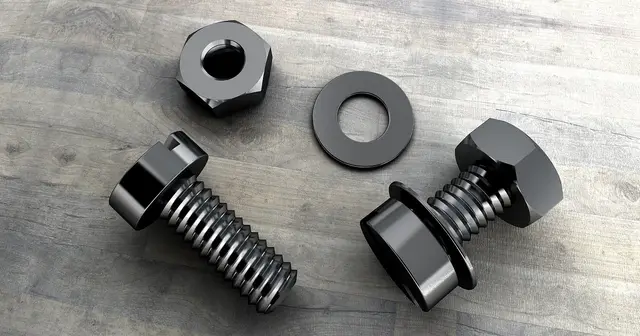
Mobile fastener supplier to tradies
Stock a ute or van with screws, bolts and anchors and restock local builders and tradies on site.
- A$5k-25k
- Part-time
- Out and about

Strip-out and soft demolition
Remove old kitchens, walls, ceilings and fit-outs by hand for renovators and shop owners.
- A$5k-25k
- Side hustle
- Out and about
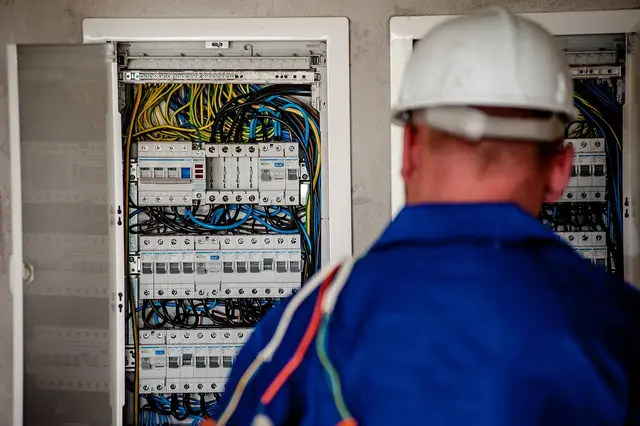
Residential electrician for local homes
Install lighting, power points and switchboard upgrades for homeowners and landlords in your area.
- A$6k-25k
- Part-time
- Out and about
Photo: malikubra on Pixabay