Home workshop wheelchair repairs
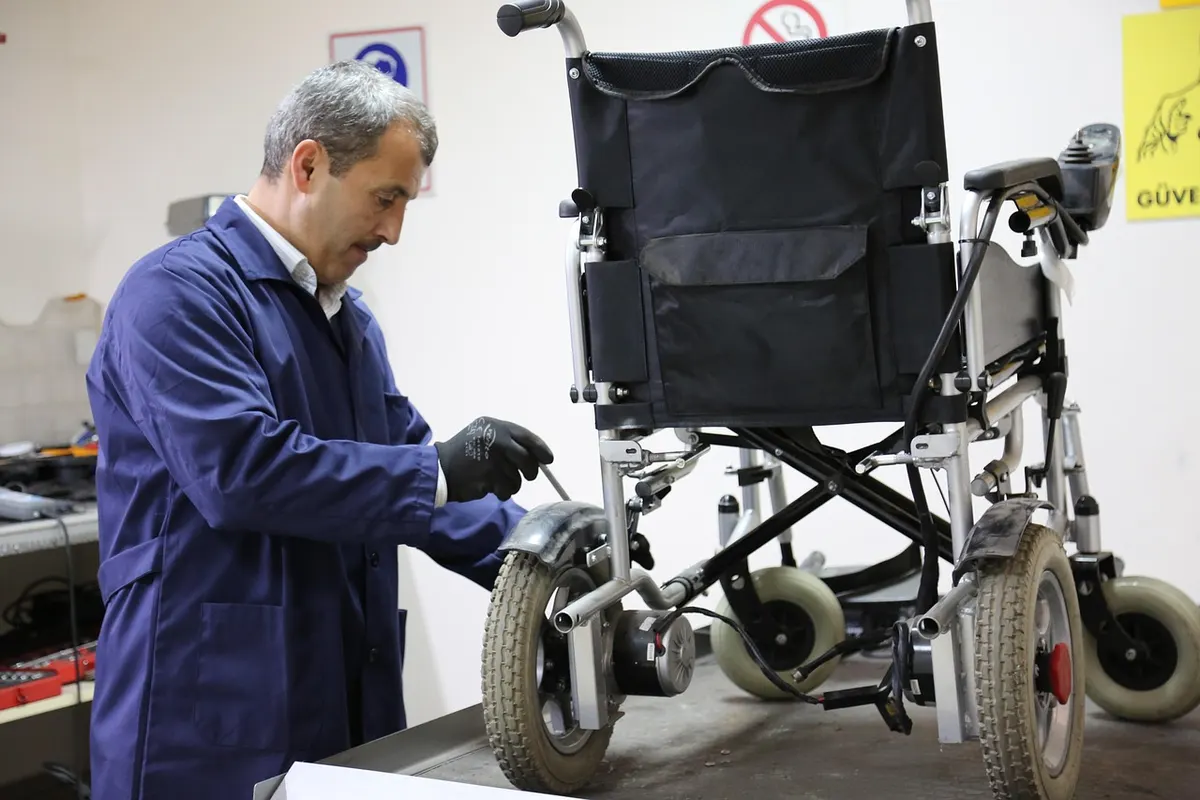
Repair and service wheelchairs and mobility aids from a garage or small workshop, with drop-off and pick-up.
- A$2.5k-10k
- Side hustle
- From home
Estimates for a small start in Australia, not guarantees.
What it is
A small workshop in a garage, shed or low-cost unit where you service wheelchairs and mobility aids brought in by customers or collected by you. Work includes wheels, brakes, upholstery, frames and basic battery and charger checks.
Your first three steps
- Check with your local council whether you need approval for a home-based business, and whether customer visits are allowed
- Set up a bench, stand and basic tools, then open supplier accounts for tyres, tubes, brakes and castors
- Contact local occupational therapists, equipment suppliers and community groups to let them know you take repair work
Who pays
Wheelchair users, families and carers, plus local disability providers, physios and equipment suppliers who need an overflow repairer.
How it makes money
Fixed prices for common services and hourly labour plus parts for bigger repairs, with extra for pick-up and delivery.
Skills that help
- Hands-on repair skills and comfort with tools
- Clear communication with customers and carers
- Keeping records of repairs and parts used
Watch out for
- Council approval and zoning rules for home-based businesses, which vary by area
- Public liability and product or professional indemnity insurance
- Powered chairs and modified equipment may come under medical device rules, so check what work is appropriate with the TGA and manufacturers
- If you want NDIS-funded work, check whether registration is needed for assistive technology repairs
- Storing customers' chairs safely, as a damaged or lost chair is a serious problem for the owner
Deep research report · Australia
Everything you need to start: home workshop wheelchair repairs
Researched with live web search for Australia: real startup prices, the licences and rules, what others charge, a break-even example, how to find your first customers and a 30-day launch plan. With sources.
- Startup costs with real prices
- Licences, registration and rules
- Pricing: what others charge
- Break-even example
- Finding your first customers
- 30-day launch plan
- Risks and how to reduce them
Questions people ask
How much does it cost to start a home wheelchair repair workshop?
Startup costs are typically around $2,500 to $10,000, depending on your tools, workspace setup, parts stock and insurance. These are estimates only. Using a garage or shed can help keep costs down.
How much can a home wheelchair repair workshop earn?
Monthly revenue is typically around $1,000 to $5,000, depending on how many repairs you take on and how many hours you put in. This is revenue, not profit, so allow for parts. These are estimates only.
What rules should I check before repairing wheelchairs from home?
Check council approval and zoning for home-based businesses, which vary by area. Also check TGA and manufacturer guidance on powered chairs and modifications, whether NDIS registration is needed, your insurance, and how you will store customers' chairs safely.
Other ways to run this business
Similar trades ideas
Online solar hot water systems and parts shop
Sell solar hot water systems and spare parts online to installers and householders, shipped direct from your supplier.
- A$2k-10k
- Part-time
- Online

Playground equipment reseller (subcontracted install)
Quote and sell play equipment to schools, councils and nurseries, and hire a local crew to install it.
- A$2k-10k
- Part-time
- From home

Home-based door and hardware supplier
Quote and order-in doors, frames and hardware for local builders and renovators, with no shopfront needed.
- A$2k-10k
- Side hustle
- From home

Carport and pergola kit installer
Install ready-made carport and pergola kits for homeowners, with less design work and lower setup costs.
- A$2k-10k
- Side hustle
- Out and about

Plumber side jobs on evenings and weekends
Take small repair and maintenance jobs after hours, alongside a plumbing job, to build a client base.
- A$2k-10k
- Side hustle
- Out and about

Excavator operator with hired machine
Take small digging jobs and hire the machine only when needed, keeping start-up costs low.
- A$3k-10k
- Part-time
- Out and about
Photo: malikubra on Pixabay