Neighbourhood grocery shop
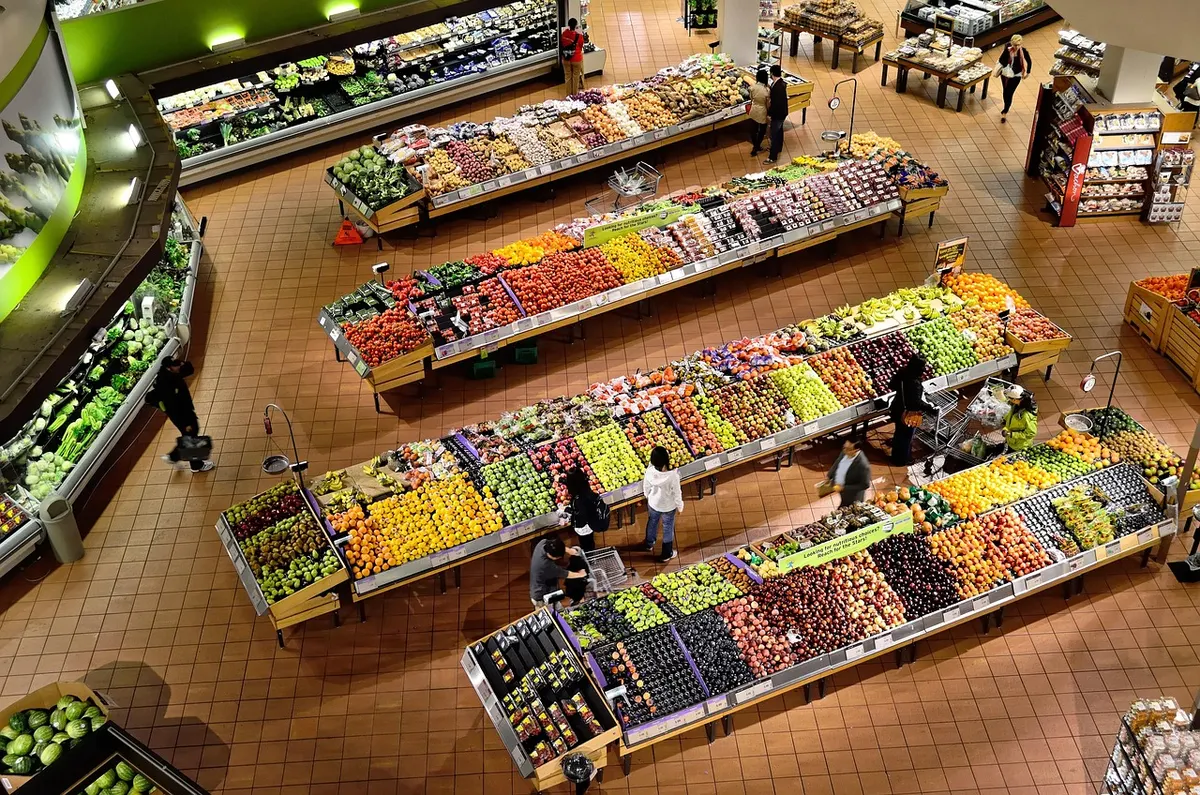
Run a small local shop selling everyday food, drinks and household items to people nearby.
- A$40k-200k
- Full-time
- Own premises
- Licence or permit needed
Estimates for a small start in Australia, not guarantees.
What it is
A small shop stocking everyday essentials such as fresh produce, pantry items, dairy, drinks and cleaning products, often with a focus on convenience or a local community's needs.
Your first three steps
- Study a few local areas and check what nearby shops already offer and what is missing
- Visit wholesalers and suppliers to compare prices, minimum orders and delivery options
- Price up a lease, fit-out and opening stock, then draft a simple budget and cash flow forecast
Who pays
Local residents, workers and passing trade who want quick, convenient shopping close to home.
How it makes money
You buy stock from wholesalers and suppliers and sell at a markup. Profit depends on location, product mix, wastage control and keeping rent and wages in check.
Skills that help
- Customer service
- Stock ordering and budgeting
- Negotiating with suppliers
- Managing fresh food and waste
Watch out for
- Food business registration with your local council and food safety requirements in your state
- Rules on selling tobacco, alcohol or lottery products, which usually need separate licences, so check before planning to stock them
- Lease terms, rent reviews and council zoning or signage approval
- Public liability and property insurance, plus workers compensation once you hire
- Thin margins, stock wastage and competition from big supermarkets
- Registering for GST once turnover reaches the threshold
Deep research report · Australia
Everything you need to start: neighbourhood grocery shop
Researched with live web search for Australia: real startup prices, the licences and rules, what others charge, a break-even example, how to find your first customers and a 30-day launch plan. With sources.
- Startup costs with real prices
- Licences, registration and rules
- Pricing: what others charge
- Break-even example
- Finding your first customers
- 30-day launch plan
- Risks and how to reduce them
Questions people ask
How much does it cost to open a grocery shop in Australia?
Startup costs are typically around $40,000 to $200,000, depending on the shop size, opening stock, fit-out and lease terms. These are estimates only, so get quotes for your own site and check rent and fit-out costs first.
How much revenue can a neighbourhood grocery shop make?
Monthly revenue is typically around $20,000 to $100,000, depending on location, range and passing trade. That is sales before costs, and margins can be thin, so check stock wastage and competition. The estimate assumes at least about 45 hours a week.
What rules should I check before opening a grocery shop?
Check food business registration with your local council and your state's food safety requirements. Selling tobacco, alcohol or lottery products usually needs separate licences. Also check lease terms, council zoning and signage approval, insurance, and GST registration.
Other ways to run this business
Similar food ideas

Italian grocery and deli shop
Open a small local shop selling Italian pasta, cheese, oils and specialty groceries to food-loving households.
- A$40k-200k
- Full-time
- Own premises

Self-serve frozen yoghurt shop
Run a small shop where customers swirl their own frozen yoghurt and add toppings, paying by weight.
- A$50k-200k
- Full-time
- Own premises
Food truck or van at events and sites
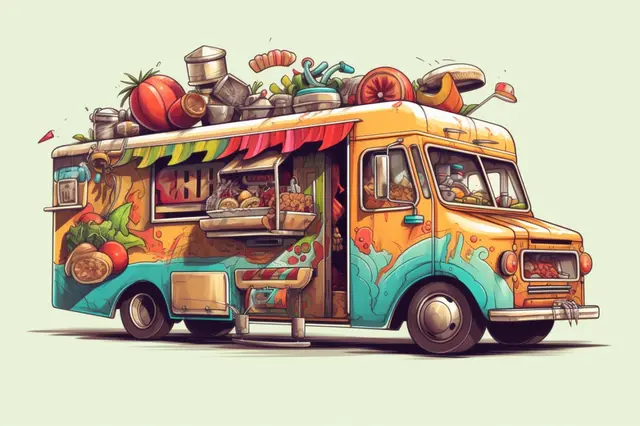
Serve hot food from a fitted-out truck or van at markets, festivals, worksites and private functions.
- A$80k-200k
- Part-time
- Out and about

Cat cafe in a small shopfront
Open a small cafe where visitors pay to relax with resident or rescue cats over a coffee and a snack.
- A$60k-200k
- Full-time
- Own premises
Small art cafe with rotating local exhibitions
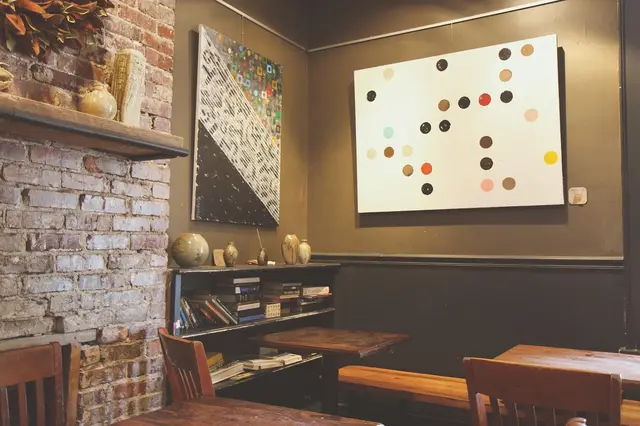
Run a small cafe where local artists show and sell work, and customers come for the coffee and stay for the art.
- A$40k-200k
- Full-time
- Own premises
Neighbourhood takeaway shop
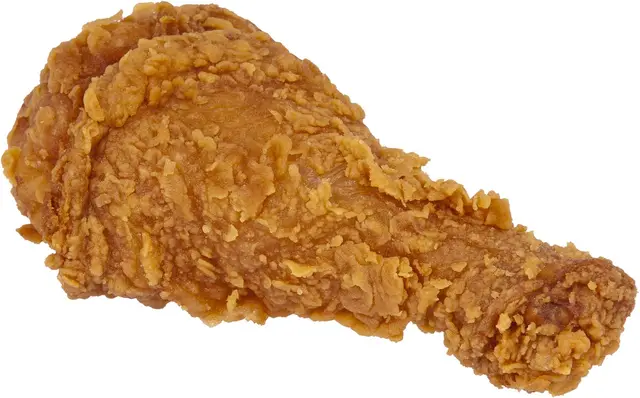
Open a small shopfront serving a focused takeaway menu, such as kebabs, noodles, fried chicken or pizza.
- A$40k-200k
- Full-time
- Own premises
Photo: ElasticComputeFarm on Pixabay