Online grocery with local delivery
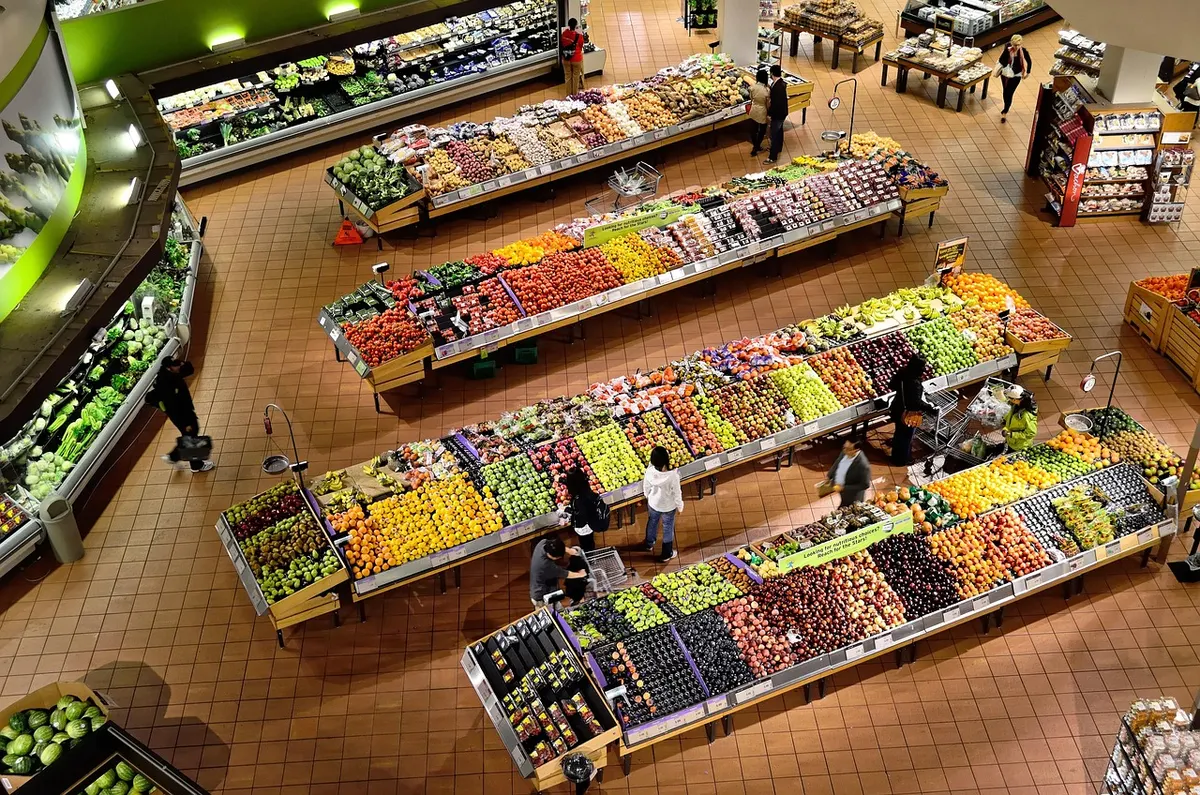
Take grocery orders online and deliver a curated range to homes in your local area.
- A$5k-25k
- Part-time
- Own premises
- Licence or permit needed
Estimates for a small start in Australia, not guarantees.
What it is
A local grocery service where customers order online and you pack and deliver from a small storage space or unit. Many start with a focused range, such as specialty, cultural or organic products.
Your first three steps
- Choose a niche and a delivery area, then check which suppliers will sell to a small business
- Set up a simple online shop and test it with a small range of products
- Line up cold storage, packaging and a vehicle, then offer launch deliveries to neighbours and local groups
Who pays
Busy households, older people and customers who prefer specialty items not stocked by the big supermarkets.
How it makes money
You sell groceries at a markup and may add a delivery fee or minimum order. Margins improve with a focused range, repeat customers and efficient delivery routes.
Skills that help
- Organising orders and stock
- Route planning and driving
- Basic online shop setup
- Customer service
Watch out for
- Food business registration with your local council, including rules for storing and transporting chilled food
- Whether your storage space is approved for food use, especially if you plan to run from home
- Public liability and motor vehicle insurance that covers business deliveries
- Cold chain and food safety risks, plus wastage on fresh items
- Packaging and delivery costs eating into thin margins
Deep research report · Australia
Everything you need to start: online grocery with local delivery
Researched with live web search for Australia: real startup prices, the licences and rules, what others charge, a break-even example, how to find your first customers and a 30-day launch plan. With sources.
- Startup costs with real prices
- Licences, registration and rules
- Pricing: what others charge
- Break-even example
- Finding your first customers
- 30-day launch plan
- Risks and how to reduce them
Questions people ask
How much does it cost to start an online grocery delivery business?
Startup costs are typically around $5,000 to $25,000, depending on your storage space, opening stock, online shop setup and delivery vehicle needs. These are estimates, so price your own range and delivery area before committing.
How much can an online grocery delivery business make?
Monthly revenue is typically around $2,000 to $10,000, depending on your order numbers, range and prices. That is sales before costs, and packaging and delivery can eat into thin margins. The estimate assumes at least about 15 hours a week.
What should I check before delivering groceries locally?
Check food business registration with your local council, including rules for storing and transporting chilled food, and whether your storage space is approved for food use. Also check public liability and motor vehicle insurance that covers business deliveries.
Other ways to run this business
Similar food ideas
Deli market stall
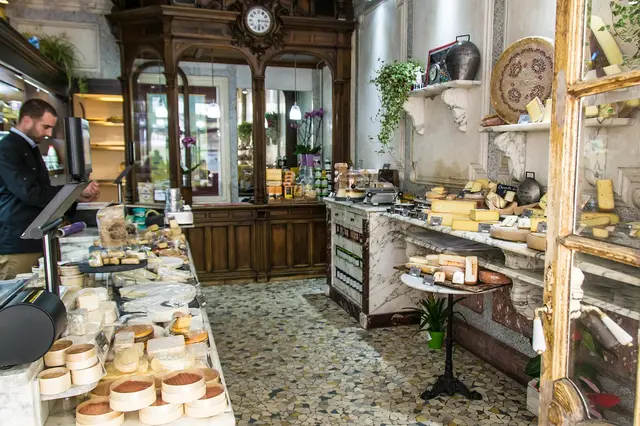
Sell cheeses, cured meats, dips and antipasto from a stall at weekend markets.
- A$5k-25k
- Side hustle
- Out and about

Online meat box delivery
Sell pre-portioned meat boxes online and deliver them chilled to local households, without a shopfront.
- A$5k-25k
- Part-time
- Online

Local wine distributor for small producers
Buy cases from small Australian wineries and deliver them to restaurants, bars and shops in your area.
- A$5k-25k
- Part-time
- Out and about
Packaged food maker for shops and cafés
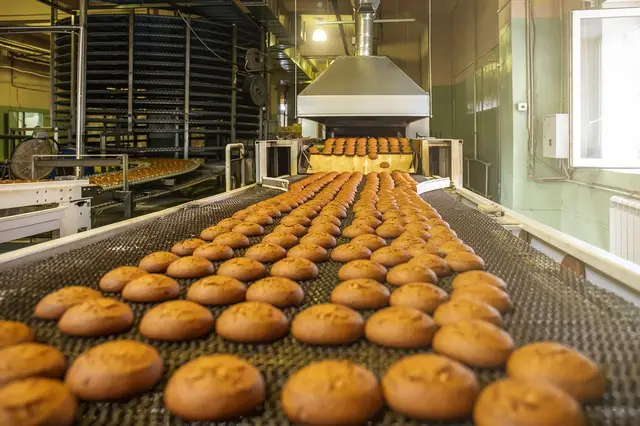
Produce your own sauces, snacks or ready meals in a rented commercial kitchen and supply local retailers.
- A$5k-25k
- Part-time
- Own premises

Seasoning and sauce maker supplying local shops
Make larger batches of seasonings and sauces in a hired commercial kitchen and supply delis, cafes and retailers.
- A$5k-25k
- Part-time
- Own premises
Fresh fish market stall
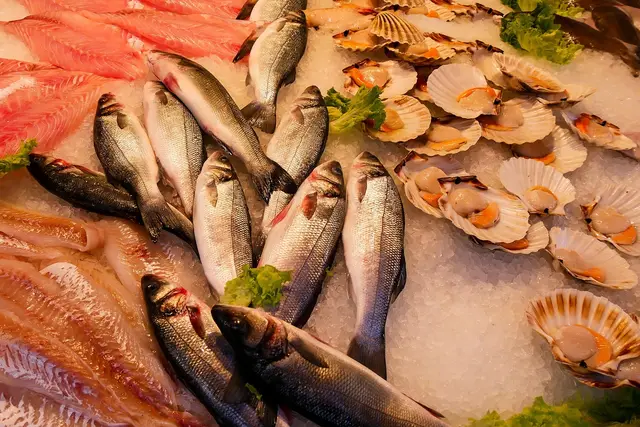
Sell fresh fish and shellfish to home cooks from a stall at local farmers' and weekend markets.
- A$6k-25k
- Part-time
- Out and about
Photo: ElasticComputeFarm on Pixabay