In-home support service for NDIS participants
Start by delivering daily living support yourself, then grow a small team supporting people with disability at home.

- A$5k-25k
- Part-time
- Out and about
Estimates for a small start in Australia, not guarantees.
What it is
A small provider offering in-home support to people with disability, such as help with daily routines, meals, community access and household tasks. You may begin as the main support worker and add staff as demand grows.
Your first three steps
- Read the NDIS Quality and Safeguards Commission guidance to check whether the supports you plan to offer need registration, or whether you can start with self-managed and plan-managed participants
- Check which worker screening, training and state or territory requirements apply to you and your staff, and arrange insurance
- Connect with local support coordinators and plan managers to introduce your service
Who pays
NDIS participants who self-manage their funds or use a plan manager. Participants whose funding is managed by the NDIA (agency-managed) may only be able to use registered providers, so check with the NDIS Quality and Safeguards Commission whether registering would let you support them.
How it makes money
You bill the participant's funding at the hourly rates in the NDIS price guide, and pay staff a lower rate. Margin covers insurance, admin, training and your income.
Skills that help
- Patience and respectful support
- Record keeping and invoicing
- Rostering and managing staff
Watch out for
- Registration rules depend on the supports you offer and how each participant's funding is managed. Check with the NDIS Quality and Safeguards Commission whether you need to register, including to support agency-managed participants or to deliver higher-risk supports
- The NDIS Code of Conduct applies to registered and unregistered providers and workers, and worker screening rules can apply depending on your services and state, so check what applies
- Public liability, professional indemnity and workers compensation insurance (check your state scheme)
- Price limits and billing rules in the NDIS price guide, which change over time
- Slow payments if you do not manage your invoicing and cash flow carefully
- Duty of care and incident reporting requirements
Deep research report · Australia
Everything you need to start: in-home support service for NDIS participants
Researched with live web search for Australia: real startup prices, the licences and rules, what others charge, a break-even example, how to find your first customers and a 30-day launch plan. With sources.
- Startup costs with real prices
- Licences, registration and rules
- Pricing: what others charge
- Break-even example
- Finding your first customers
- 30-day launch plan
- Risks and how to reduce them
Other ways to run this business
Similar health and wellness ideas

Thai massage studio with a rented room
Rent a treatment room or small shopfront and build a regular client base for Thai massage.
- A$5k-25k
- Part-time
- Own premises

Mobility aid hire with delivery
Hire out wheelchairs, scooters and walkers with delivery, for post-surgery recovery, holidays and short-term needs.
- A$5k-25k
- Side hustle
- Out and about
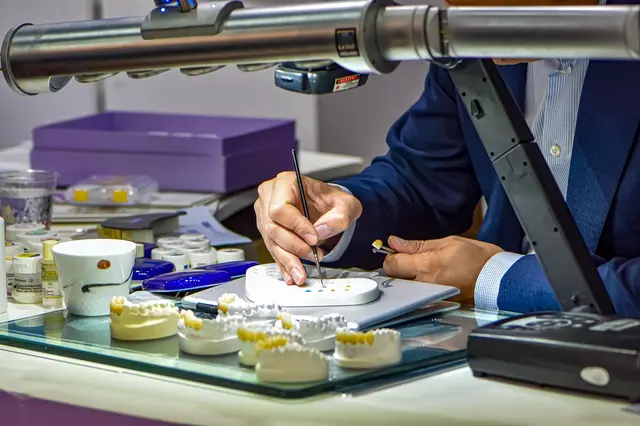
Digital dental design service for labs and clinics
Design crowns and bridges on computer from home for other labs and clinics, who handle the milling or printing.
- A$5k-25k
- Side hustle
- From home

Part-week day program in a hired hall
Start small with a social day group two or three days a week in a hired community hall or church space.
- A$5k-20k
- Part-time
- Out and about
Online contact lens shop
Sell contact lenses online and by post to customers who send in a valid prescription.
- A$3k-15k
- Part-time
- Online

Hot yoga classes in a hired room
Run a few heated yoga classes a week in a rented room before committing to a full studio.
- A$3k-15k
- Side hustle
- Own premises