Local irrigation supplies shop
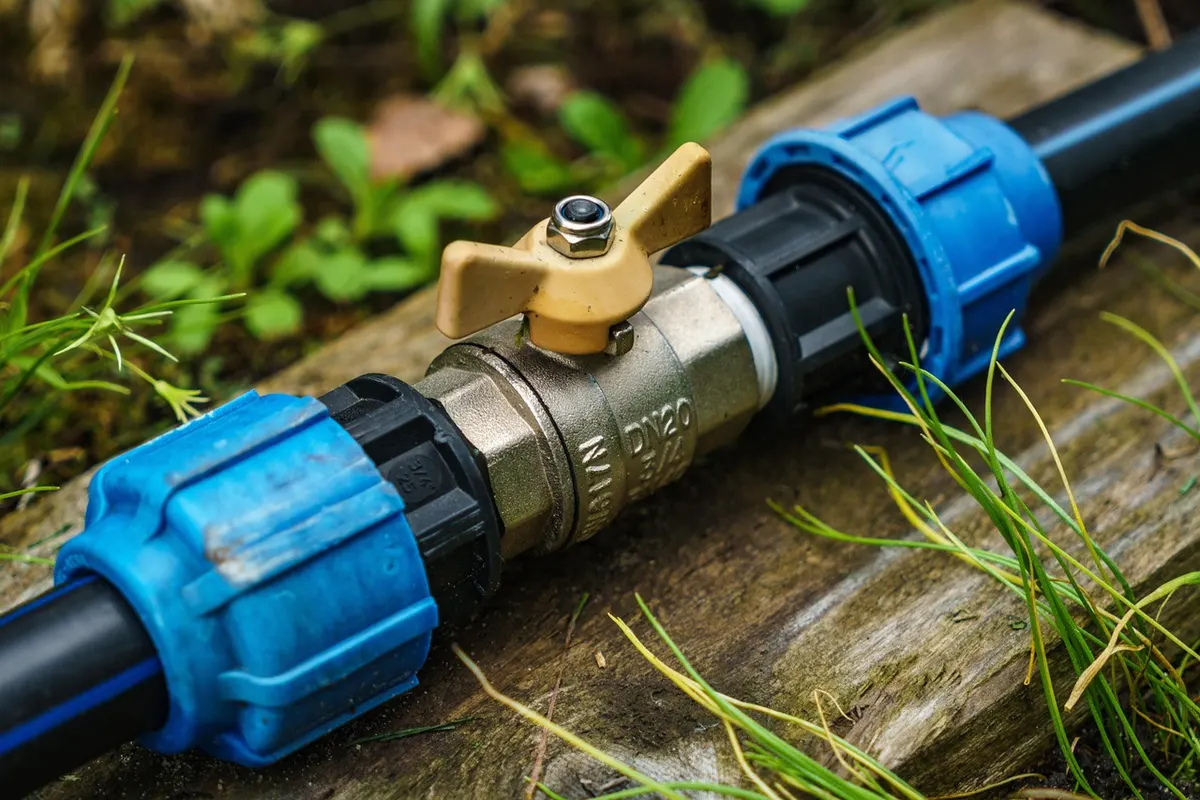
Sell pipes, pumps, sprinklers and drip kits to farmers, gardeners and tradies from a small shopfront or yard.
- A$60k-250k
- Full-time
- Own premises
Estimates for a small start in Australia, not guarantees.
What it is
A small trade and retail counter stocking poly pipe, fittings, pumps, filters, sprinklers, drip lines and controllers, with advice on choosing the right setup for a property.
Your first three steps
- Visit local farms, landscapers and installers to learn what they buy and where they are frustrated with current suppliers
- Contact wholesalers and manufacturers about trade accounts and minimum orders, and compare pricing
- Scout affordable premises or a yard in a rural or fringe-urban area and check zoning and trading rules with the local council
Who pays
Hobby farmers, small croppers, orchardists, landscapers, irrigation installers, councils, sports clubs and home gardeners.
How it makes money
Markup on products sold over the counter, trade accounts for regular installers and farms, and extra income from delivery, design advice and cut-to-length or made-up kits.
Skills that help
- Product knowledge or willingness to learn it fast
- Customer service and sales
- Stock control and ordering
- Basic understanding of water flow and pressure
Watch out for
- Stock is a big upfront cost, so start with fast-moving lines and check supplier terms
- Check that plumbing-related products (such as backflow prevention) carry the right certification, such as WaterMark, for your state
- If you sell fertilisers or chemicals for fertigation, check storage and handling rules with your state authority
- Public liability and product liability insurance, plus workers compensation once you hire
- Big hardware chains and established suppliers compete on price, so service and local knowledge matter
- Demand can follow seasons and rainfall, so plan your cash flow
Deep research report · Australia
Everything you need to start: local irrigation supplies shop
Researched with live web search for Australia: real startup prices, the licences and rules, what others charge, a break-even example, how to find your first customers and a 30-day launch plan. With sources.
- Startup costs with real prices
- Licences, registration and rules
- Pricing: what others charge
- Break-even example
- Finding your first customers
- 30-day launch plan
- Risks and how to reduce them
Questions people ask
How much does it cost to start an irrigation supplies shop?
Estimates suggest startup costs typically around $60,000 to $250,000, depending on your premises and how much stock you carry. Stock is a big upfront cost, so consider starting with fast-moving lines and checking supplier terms.
What rules should I check before selling irrigation products?
Check that plumbing-related products such as backflow prevention carry the right certification, such as WaterMark, for your state. If you sell fertilisers or chemicals, check storage and handling rules with your state authority, and arrange public liability and product liability insurance.
How much revenue can an irrigation supplies shop make?
Estimates suggest monthly revenue typically around $15,000 to $70,000, depending on your location, product range and customer mix. Demand can follow seasons and rainfall, and big hardware chains compete on price, so plan your cash flow. Full-time hours are around 35 per week.
Other ways to run this business
Similar farming and garden ideas

Topsoil and landscape supply yard
Run a small yard that screens, mixes and sells bulk topsoil to trade and walk-in customers.
- A$60k-250k
- Full-time
- Own premises

Small rural supply store
Run a local shed or shopfront stocking fertilisers and crop protection products for farmers, growers and hobby farms.
- A$60k-250k
- Full-time
- Own premises
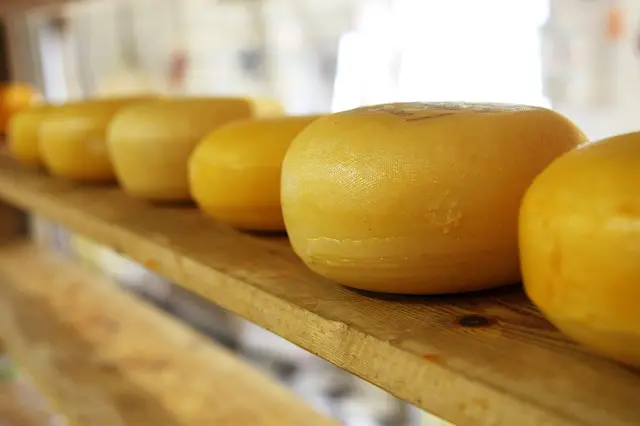
Goat or sheep milk creamery on a small farm
Keep a small herd of goats or sheep and make cheese and yoghurt on your own property to sell direct and to local shops.
- A$60k-250k
- Full-time
- Own premises
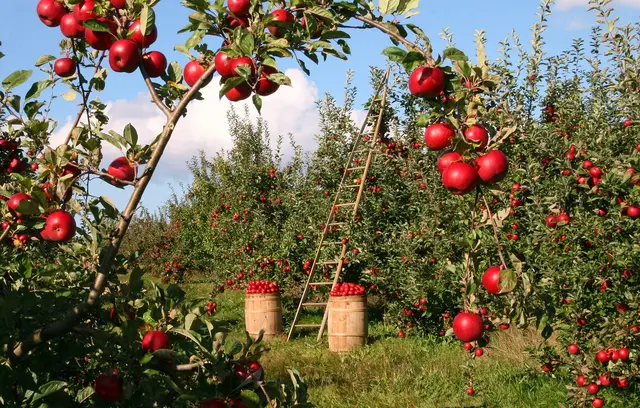
Small orchard selling at markets and shops
Grow apples, pears or stone fruit on a small block and sell direct to markets, greengrocers and cafes.
- A$40k-250k
- Part-time
- Own premises
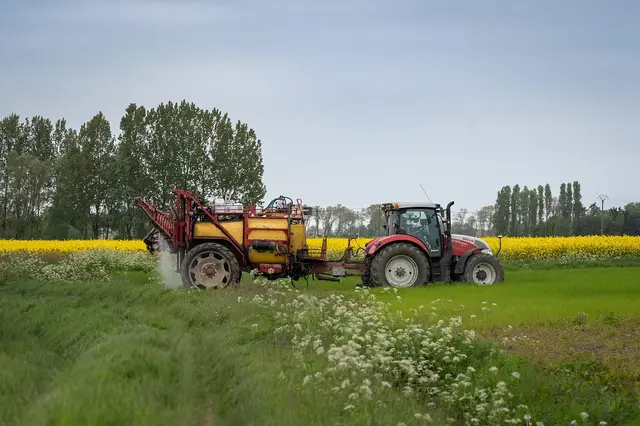
Rural farm equipment shop and yard
Open a small shop or yard in a farming town selling machinery, tools and parts, with delivery and after-sales help.
- A$80k-300k
- Full-time
- Own premises

Rural tractor and machinery parts counter
Run a local parts shop where farmers and contractors can walk in, get advice and pick up the part they need today.
- A$60k-200k
- Full-time
- Own premises
Photo: Alexei_other on Pixabay