Japanese grocery shop
Open a small shop stocking Japanese pantry staples, snacks and sauces for local households and restaurants.

- A$40k-200k
- Full-time
- Own premises
- Licence or permit needed
Estimates for a small start in Australia, not guarantees.
What it is
A small shop selling Japanese ingredients and packaged goods such as soy sauce, miso, rice, noodles, seaweed, curry roux, snacks and tea. Some owners add fresh tofu, chilled items or cookware.
Your first three steps
- Visit Japanese grocers in other suburbs and list what sells, what's missing and what they charge
- Contact Australian-based importers and wholesalers for price lists and minimum orders before choosing a location
- Shortlist shop sites near universities, Japanese communities or busy food strips, and ask your council about food business and fit-out requirements
Who pays
Japanese expats, students and travellers, home cooks who love Japanese food, and local cafes and small restaurants buying in bulk.
How it makes money
Retail margin on each item sold, plus larger wholesale orders from restaurants. Higher-value lines like rice, sauces and gift boxes help lift the average sale.
Skills that help
- Retail and stock control
- Knowing Japanese ingredients well
- Building supplier relationships
- Friendly customer service
Watch out for
- Food business registration or notification with your local council, plus any shopfit and food safety requirements
- Imported food must meet biosecurity rules and Food Standards Code labelling, so check with your importer or the federal agriculture department
- Selling sake, mirin or other alcohol may need a liquor licence, check your state's liquor regulator
- Lease costs, stock tied up on shelves and short-dated products
- Public liability insurance and workers compensation once you hire staff
Deep research report · Australia
Everything you need to start: japanese grocery shop
Researched with live web search for Australia: real startup prices, the licences and rules, what others charge, a break-even example, how to find your first customers and a 30-day launch plan. With sources.
- Startup costs with real prices
- Licences, registration and rules
- Pricing: what others charge
- Break-even example
- Finding your first customers
- 30-day launch plan
- Risks and how to reduce them
Questions people ask
How much does it cost to open a Japanese grocery shop in Australia?
Startup costs are typically estimated at around $40,000 to $200,000, depending on your premises, shopfit and opening stock. Lease costs and stock tied up on shelves are worth planning for before you commit.
How much can a Japanese grocery shop earn?
Monthly revenue is typically estimated at around $16,000 to $80,000, depending on your location, range and whether you also sell in bulk to cafes and restaurants. Short-dated products and lease costs can reduce what you keep.
What rules should I check before opening a Japanese grocery shop?
Check food business registration or notification with your local council, plus shopfit and food safety needs. Imported food must meet biosecurity and Food Standards Code labelling rules, and selling sake or mirin may need a liquor licence from your state regulator.
Other ways to run this business

Online Japanese pantry store
Sell Japanese sauces, snacks and cooking staples online and post them Australia-wide from a spare room or small storage space.
- A$3k-15k
- Side hustle
- From home
Japanese grocery market stall
Sell Japanese pantry goods, snacks and tea from a stall at weekend markets and test demand before taking a lease.
- A$3k-12k
- Side hustle
- Out and about
Similar food ideas

Italian grocery and deli shop
Open a small local shop selling Italian pasta, cheese, oils and specialty groceries to food-loving households.
- A$40k-200k
- Full-time
- Own premises
Self-serve frozen yoghurt shop
Run a small shop where customers swirl their own frozen yoghurt and add toppings, paying by weight.
- A$50k-200k
- Full-time
- Own premises
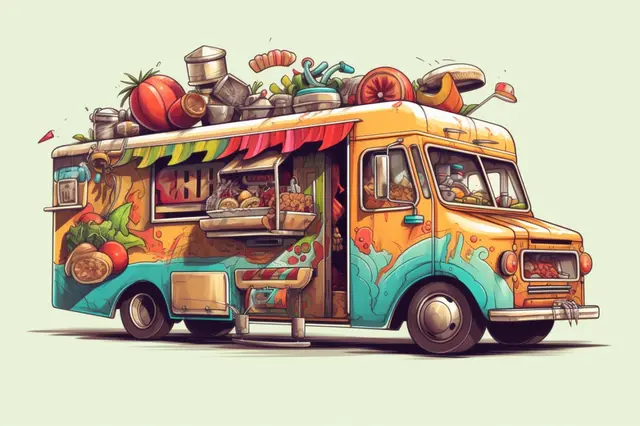
Food truck or van at events and sites
Serve hot food from a fitted-out truck or van at markets, festivals, worksites and private functions.
- A$80k-200k
- Part-time
- Out and about
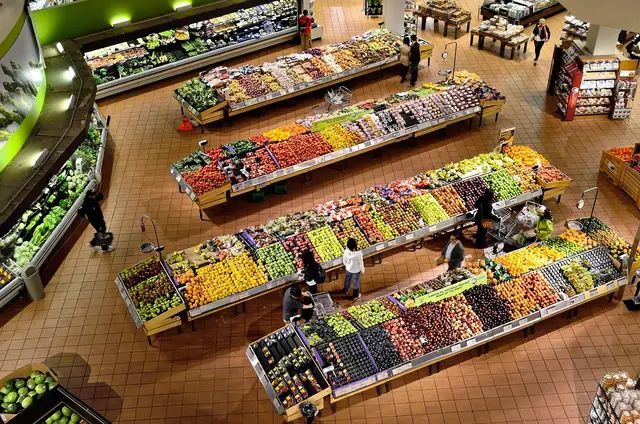
Neighbourhood grocery shop
Run a small local shop selling everyday food, drinks and household items to people nearby.
- A$40k-200k
- Full-time
- Own premises
Cat cafe in a small shopfront
Open a small cafe where visitors pay to relax with resident or rescue cats over a coffee and a snack.
- A$60k-200k
- Full-time
- Own premises
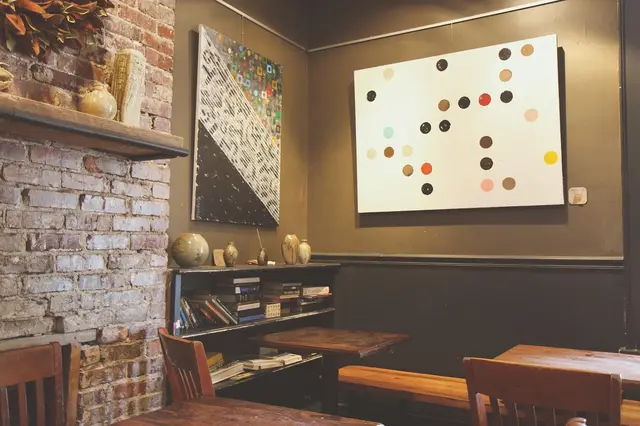
Small art cafe with rotating local exhibitions
Run a small cafe where local artists show and sell work, and customers come for the coffee and stay for the art.
- A$40k-200k
- Full-time
- Own premises